The world’s ancient places you’ll never get to see (copy)
Off-limits treasures
Palmyra, Syria
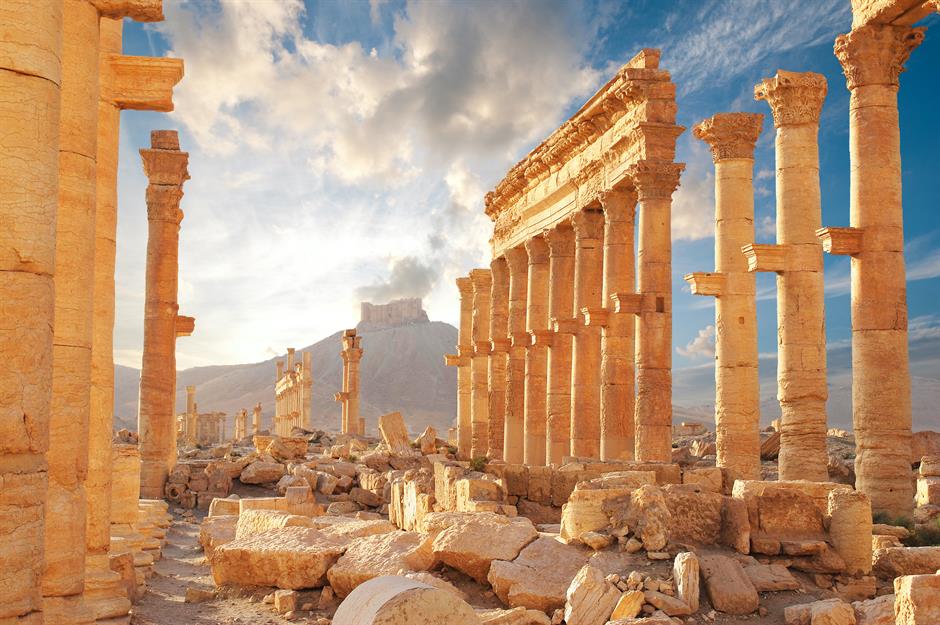
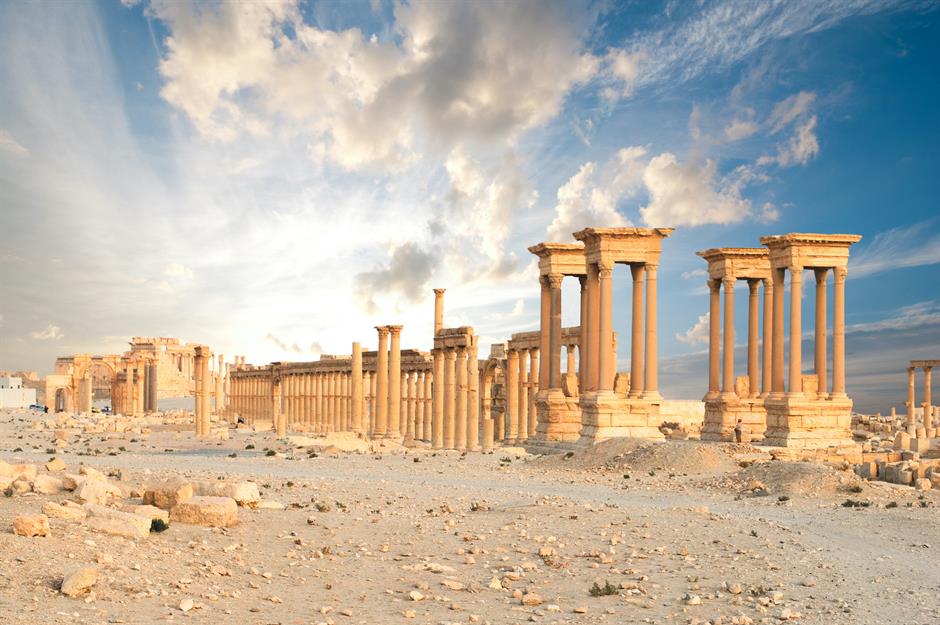
One of the many archaeological treasures irrevocably and intentionally damaged during Syria’s ongoing war, the ruins of the ancient city of Palmyra rise out of the Syrian Desert in the war-ravaged Homs province. Since the historic Silk Road hub was occupied by Islamic State fundamentalists twice, it has been off limits. Among the wonders destroyed were the temple to Mesopotamian god Bel and the Arch of Victory.
Palmyra, Syria
Sponsored Content
Krak des Chevaliers, Syria
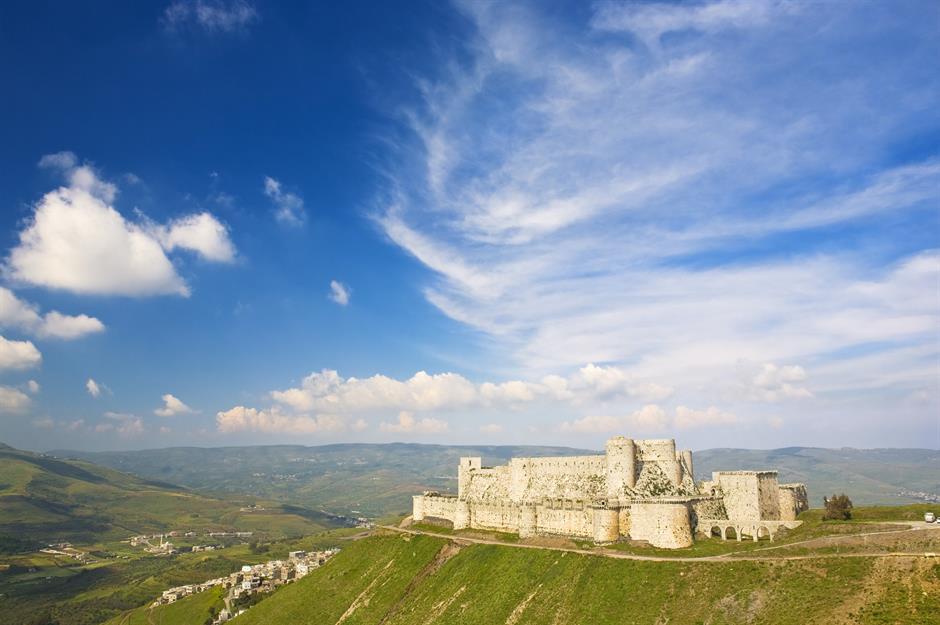
Krak des Chevaliers, Syria
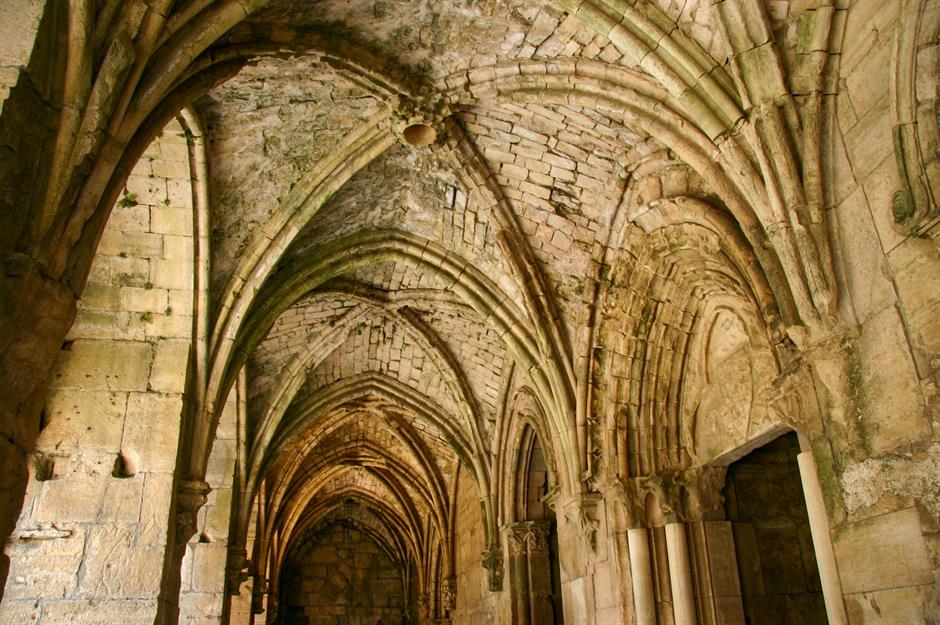
Originally built for the Emir of Aleppo in 1031, Krak des Chevaliers was later commandeered and extended by the military order of the Hospitalier Order of Saint John of Jerusalem as the crusader forces battled the Muslim armies of the region. The mighty limestone structure was occupied by anti-government forces several years ago and suffered some damage.
Take a look at the destinations most in danger around the world
Leptis Magna, Libya
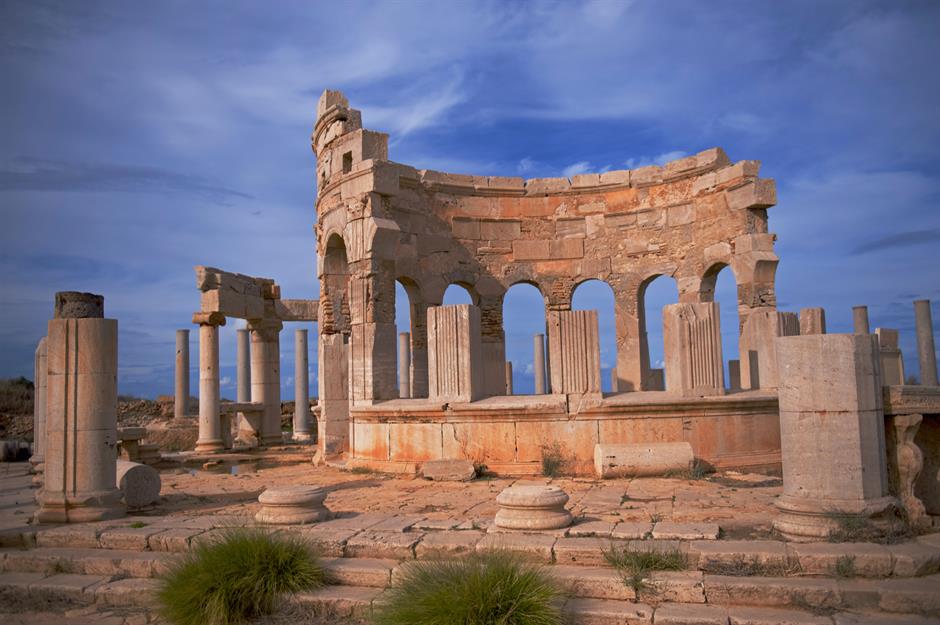
The imposing ruins of Leptis Magna, on Libya’s Mediterranean coast, are considered among the finest remains of a Roman city in the world. Buried for centuries under the sand, it was said to be one of the most beautiful cities in the Empire. However, its history stretches back far earlier. It was most likely founded by the Phoenicians around the 7th century BC. Sadly, the site is strictly out of bounds to international visitors due to ongoing conflict and political instability – the UK's Foreign, Commonwealth & Development Office (FCDO) has advised against all travel to Libya since 2014.
Sponsored Content
Leptis Magna, Libya
Sabratha, Libya
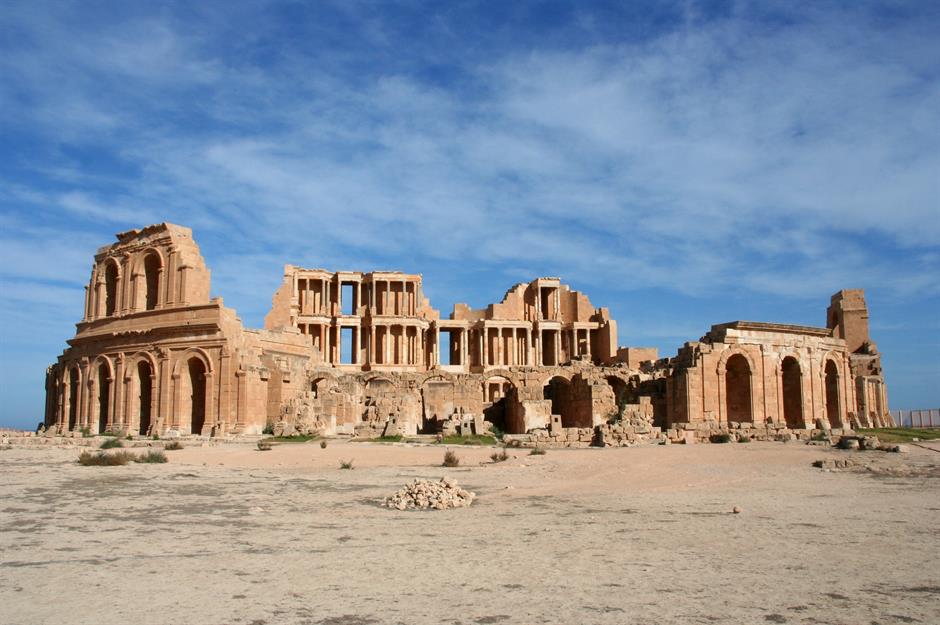
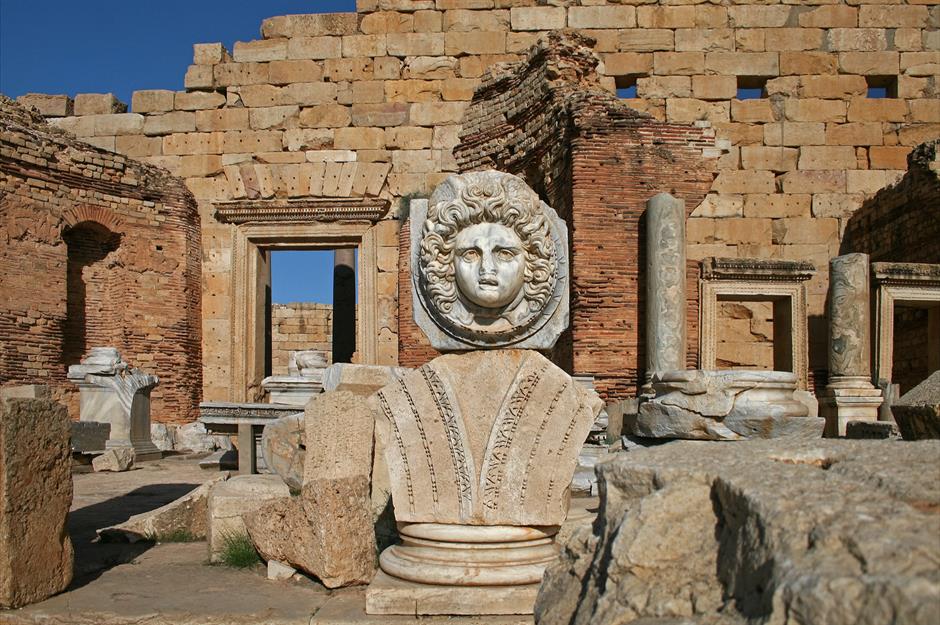
Famed for its vast amphitheatre, Sabratha was a Phoenician trading post rebuilt by the Romans in the 2nd and 3rd centuries AD and an important trade centre on the trans-Saharan caravan route. As well as the vast theatre, the ruins include several temples, a forum, part of a colonnade, fountains and public baths. This jewel of the Roman Empire was assessed as endangered by UNESCO in 2016, after the site suffered looting and fighting between rival militia.
Simena, Turkey
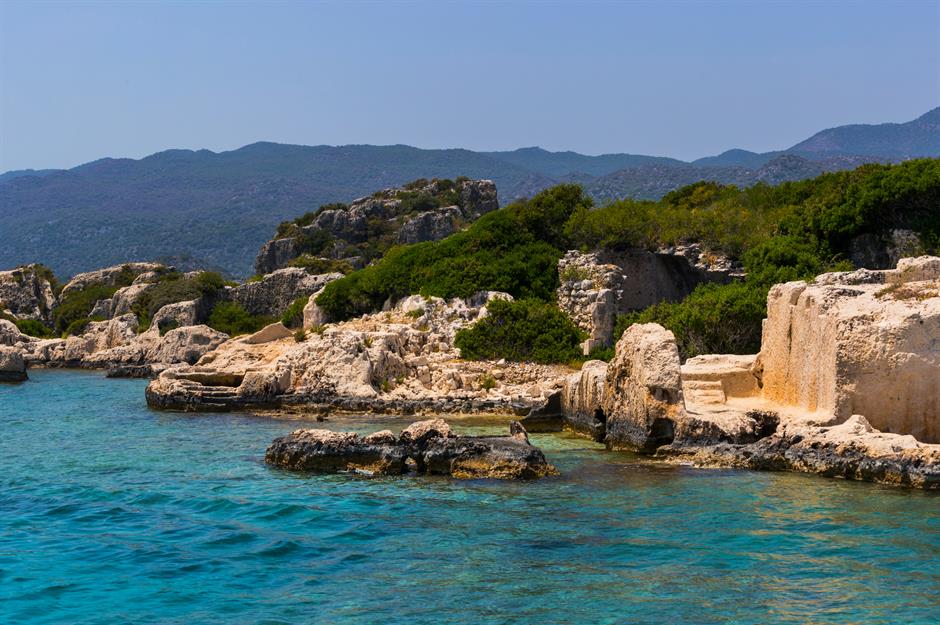
Destroyed by a series of earthquakes in the 2nd century, the remains of this Lycian civilisation are tantalisingly out of reach to visitors today. While some of Simena’s incredible structures, including ornate tombs, rise above the water level and can be seen from dry land, much of the remains of the sunken ancient city lie beneath the surface off the uninhabited island of Kekova. Diving and snorkelling are banned to protect the fragile ruins, with the region categorised as a Specially Protected Area, though some tour boats are allowed to pass by slowly.
Sponsored Content
Sana’a, Yemen
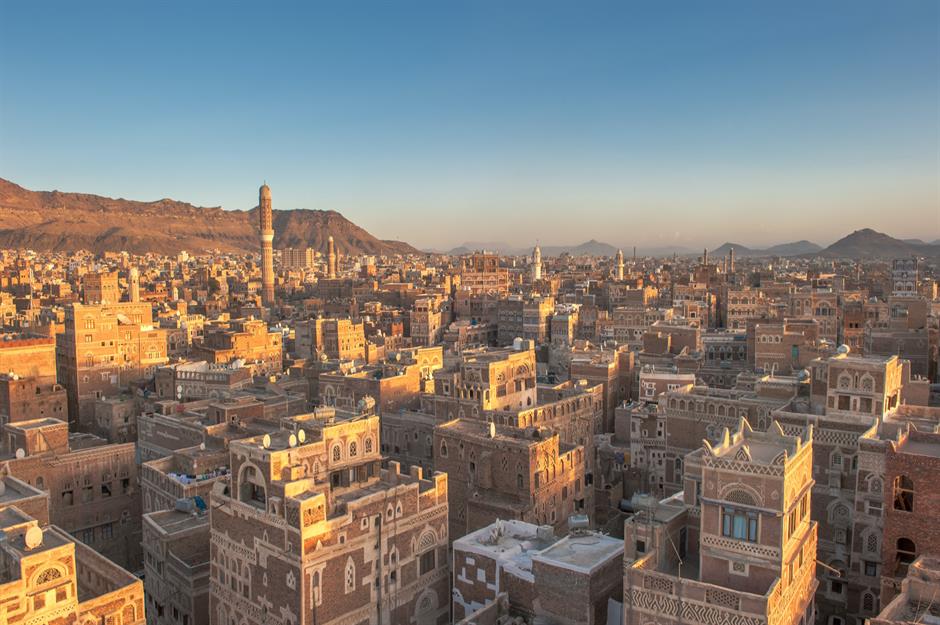
Rising spectacularly out of a mountain valley, Yemen’s capital Sana’a is one of the world's oldest cities, having been inhabited for more than 2,500 years. Its UNESCO-listed old town is notable for its rammed earth-built tower houses with striking geometric patterns and high clay walls that encircle numerous mosques, including the 7th-century Jami’ al-Kabir, ancient palaces and baths. But due to the devastating war, governments from all over the world advise their citizens to stay away from Yemen.
Sana’a, Yemen
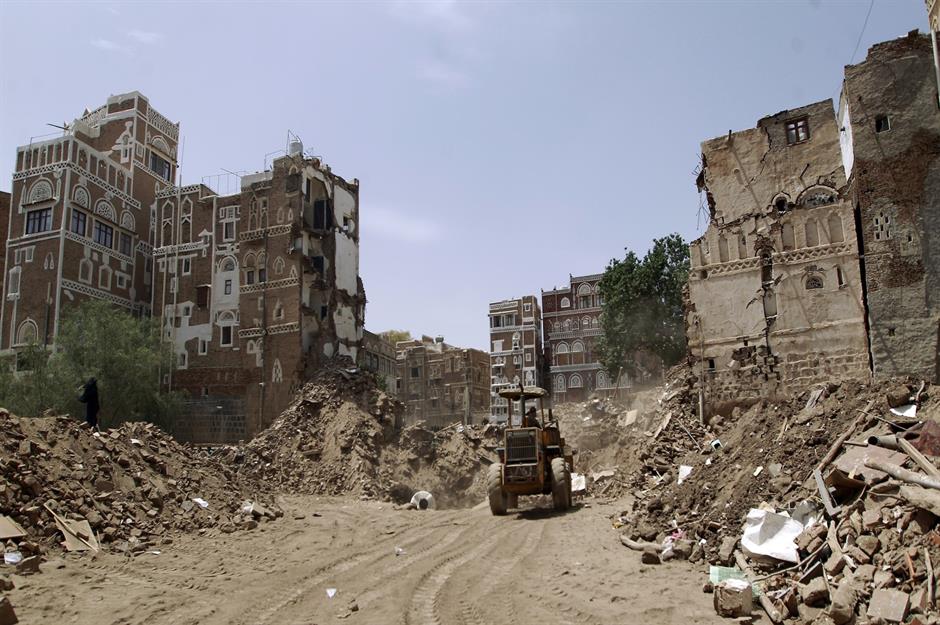
Many of the city’s ancient buildings have been damaged due to armed conflict in the country and left in a devastating state of disrepair. The old town was placed on UNESCO’s List of World Heritage in Danger in 2015 with the body citing serious damage to the neighbourhood of al Qasimi, near the famous urban garden of Miqshamat al Qasimi. The 12th-century al-Mahdi Mosque was also damaged. "The majority of the colourful, decorated doors and window panes characteristic of the city’s domestic architecture have been shattered or damaged,” said the body.
Baalbek, Lebanon
Sponsored Content
Baalbek, Lebanon
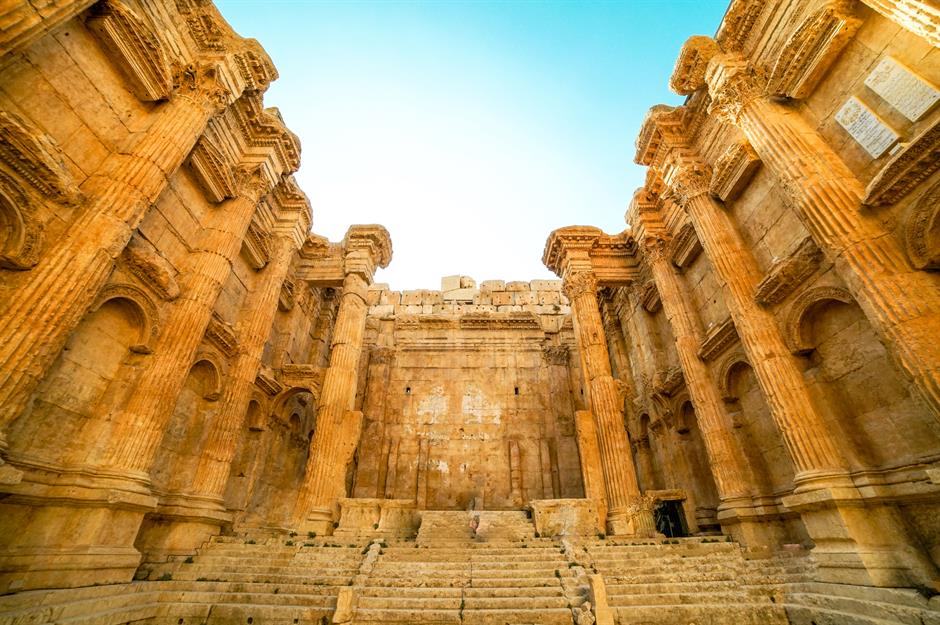
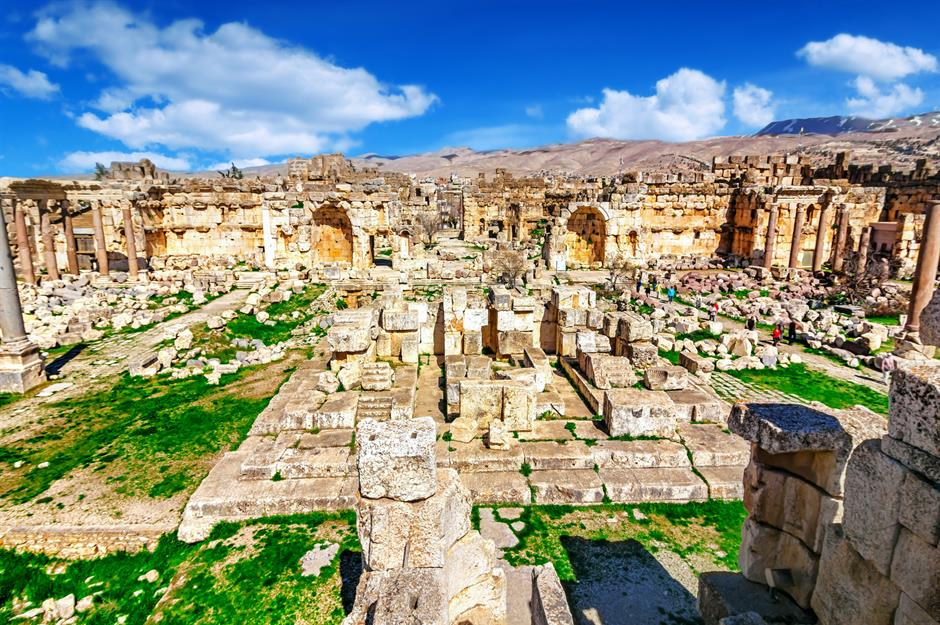
Named after Baal, the Phoenician deity, the site was known by the Romans by its Greek name, Heliopolis (City of the Sun). The sprawling complex of colossal temples and well-preserved architecture is described as “one of the most impressive testimonies of the Roman architecture of the imperial period” by UNESCO. It was one of the most celebrated sanctuaries of the ancient world and the remains of its mighty Temple of Jupiter are among its most impressive but out-of-reach treasures.
Take a look at photos of fascinating Roman ruins around the world
Tigray, Ethiopia
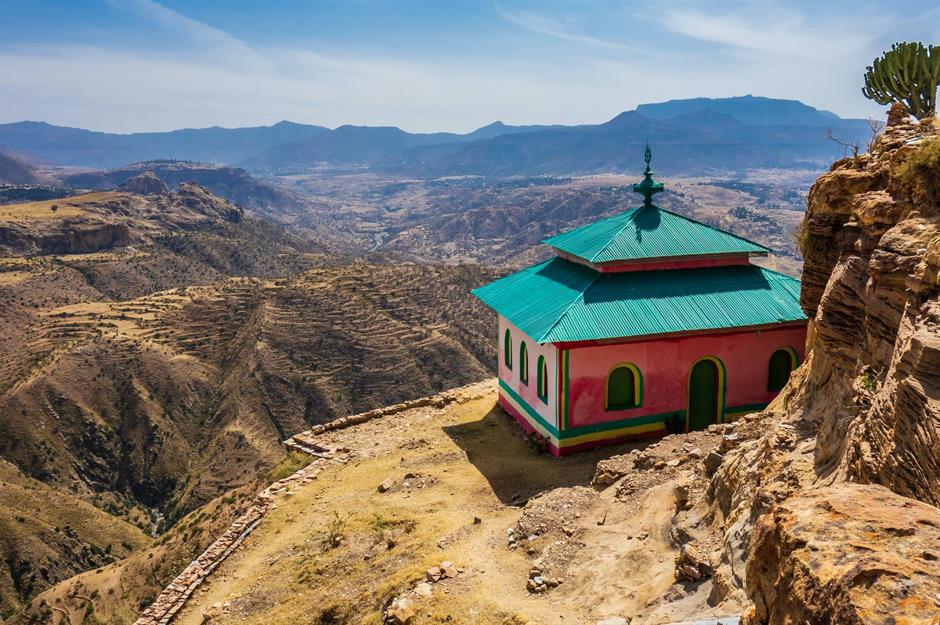
Ethiopia's northern highland region of Tigray, near the Eritrea border, is home to numerous cultural and religious treasures. But it has recently been the scene of violence following clashes between Ethiopian and Eritrean forces. As well as the UNESCO archaeology site of Aksum, its remote rock-cut churches and monastery of Debre Damo (pictured) are at risk. In January 2021, it was reported that the isolated monastery, which dates back to Aksumite times and the 6th-century reign of King Gebre Meskel, was attacked and looted.
Aksum, Ethiopia
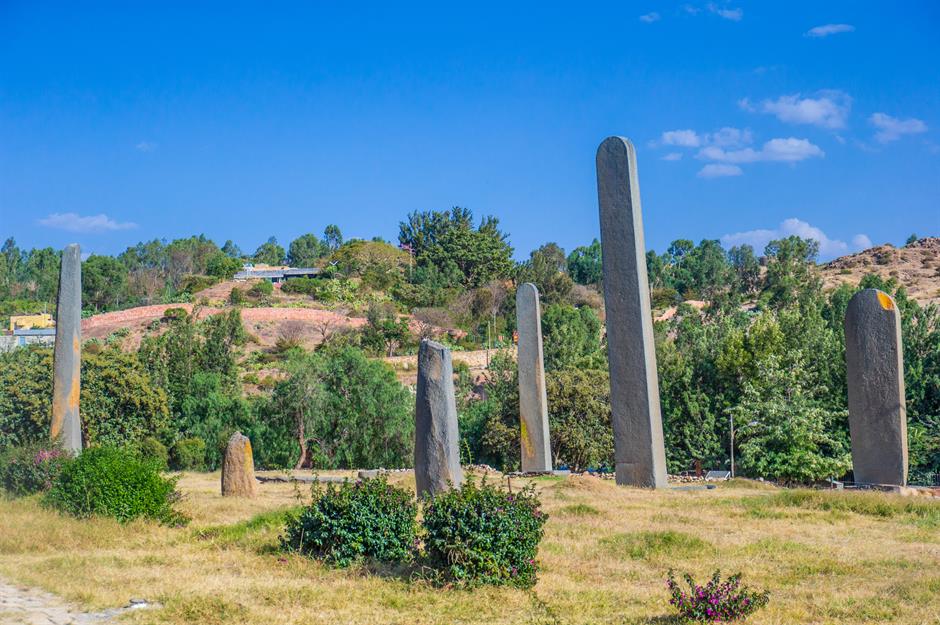
The capital of the ancient Aksumite kingdom, Aksum was said to be the birthplace of the biblical Queen of Sheba, who travelled to Jerusalem to visit King Solomon. Their son Menelik I allegedly brought the Ark of the Covenant (containing the stone tablets inscribed with the Ten Commandments) to the city where they remain. They are said to lie hidden in the Church of Our Lady Mary of Zion in modern-day Aksum and guarded by Ethiopian Orthodox monks. The most sacred place for all Orthodox Ethiopians, the church was also the scene of a recent massacre.
Sponsored Content
Ciudad Perdida, Colombia
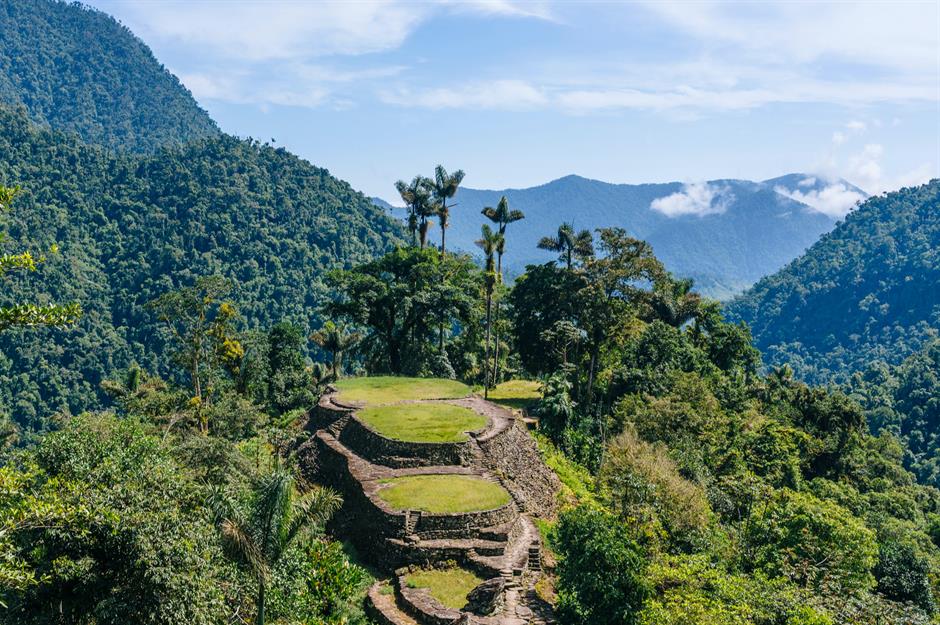
Ciudad Perdida, Colombia
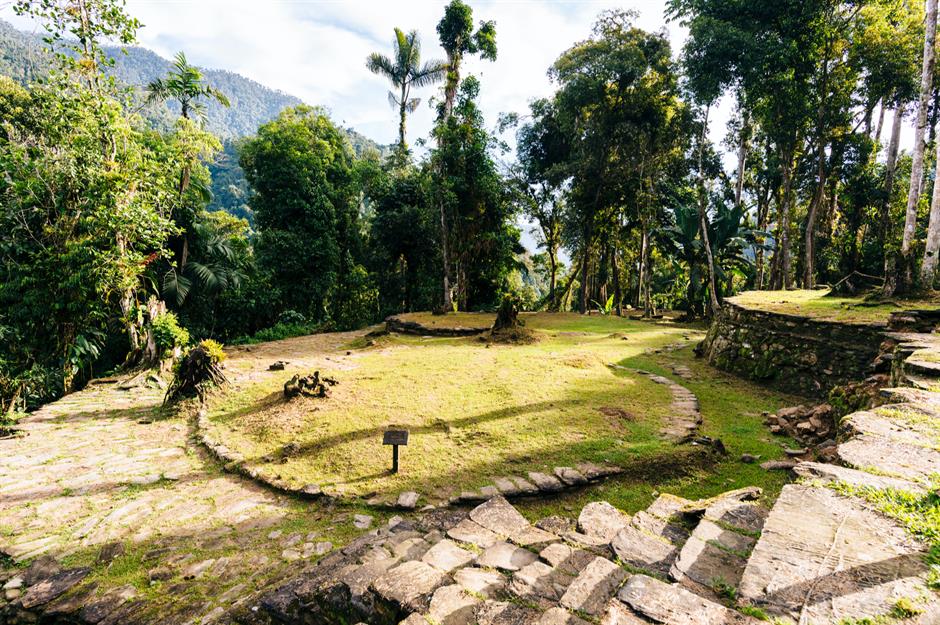
Known locally as Teyuna, the site can only be visited with a licensed guide who will lead travellers on the 27-mile (43km) trek up mountains and across rivers, all in extremely hot and humid conditions. A group of tourists hiking to the Lost City were kidnapped in 2003, but now, unlike some parts of Colombia which remain off-limits due to “crime and terrorism”, the Magdalena department is deemed safe for tourism.
Agadez, Niger
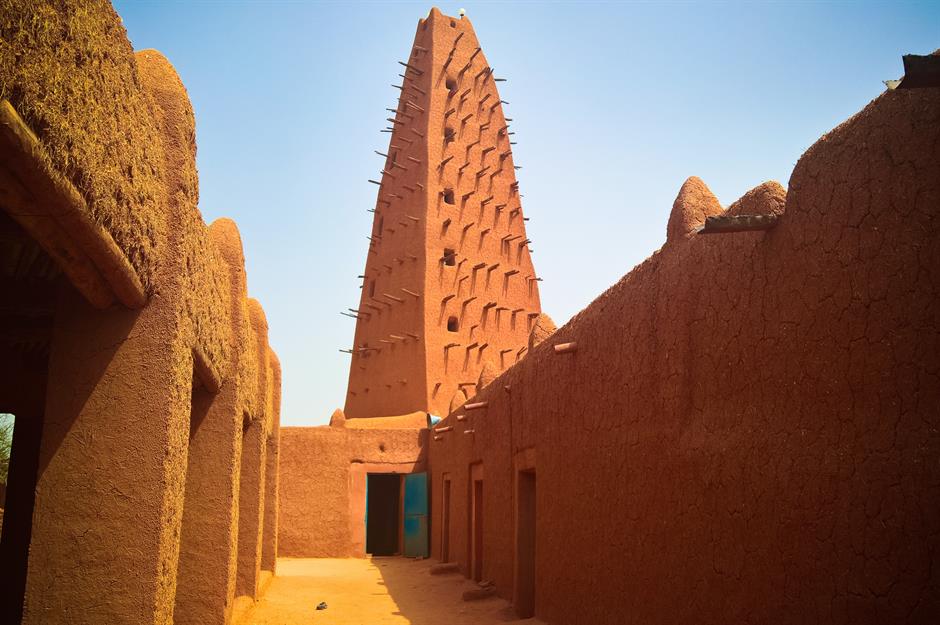
Security issues mean the many ancient wonders of Niger’s city Agadez are out of bounds for tourism. The FCDO advises against all but essential travel to Agadez, which sits on the southern edge of the Sahara Desert, due to political unrest. Among the treasures of its historic centre, which dates from the 15th and 16th centuries, is the mud minaret of the Great Mosque of Agadez. It is the highest mud brick structure in the world.
Now take a look at the underwater cities we've only just discovered
Sponsored Content
Derbent, Russia
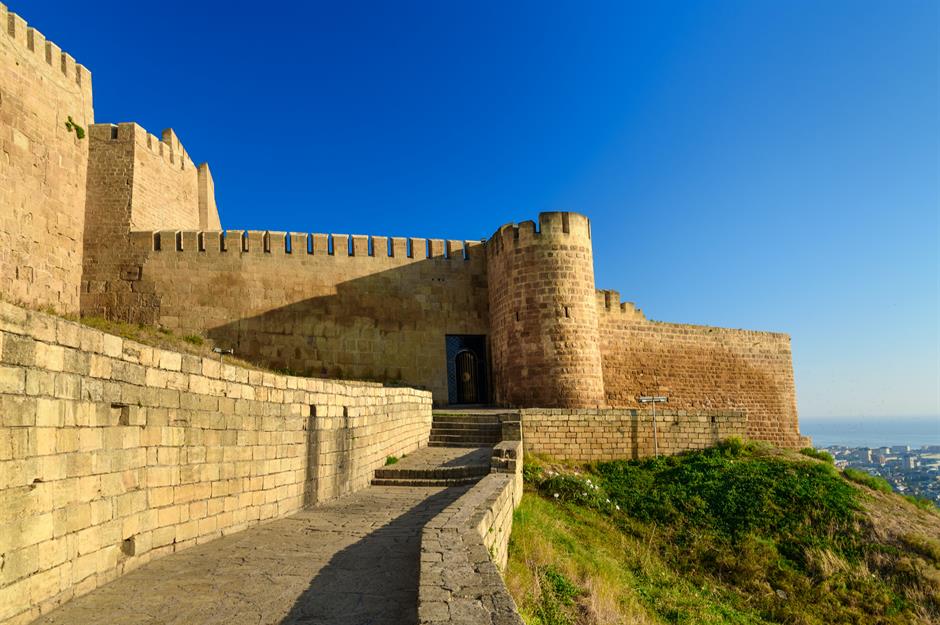
Believed to be 5,000 years-old, Derbent is one of the oldest cities in the world. With a strategic position between the Caspian Sea and Caucasus Mountains, the city has been occupied by the Persians, Arabs, Turks, Mongols and now Russians over the years. The impressive citadel of Naryn-Kala, which dates from around the 6th century, is the city’s most important historical structure. However, the turbulent Russian Republic of Dagestan region is deemed not safe for visiting, due to ongoing conflict in the region.
Kibyra, Turkey
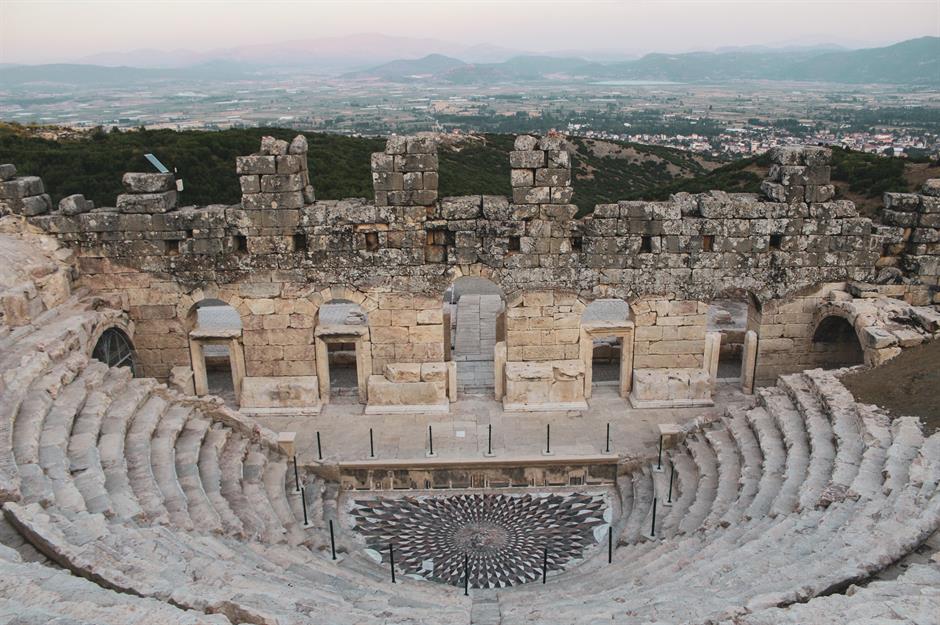
Ashur, Iraq
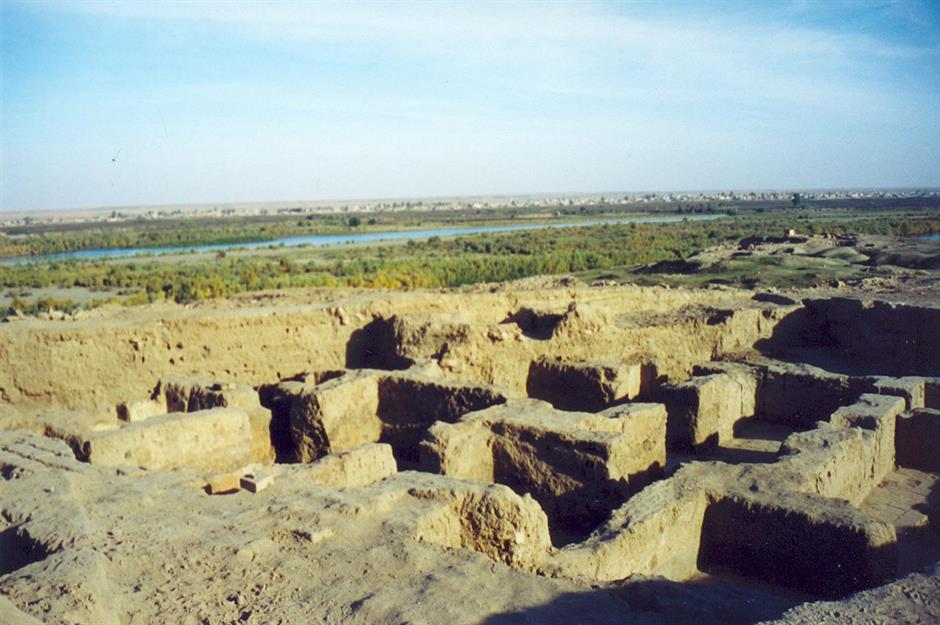
First established in the 3rd millennium BC, the ancient city of Ashur is one of Iraq’s many ancient treasures that are unlikely to get international visitors for some time. It was an important centre of trade and became the first capital of the Assyrian Empire between the 14th to 9th century BC. It was also the religious capital of the Assyrians, associated with the god Ashur, and the burial place for its kings. Ashur was sacked by the Babylonians, but revived during the Parthian period in the 1st and 2nd centuries AD.
Sponsored Content
Ashur, Iraq
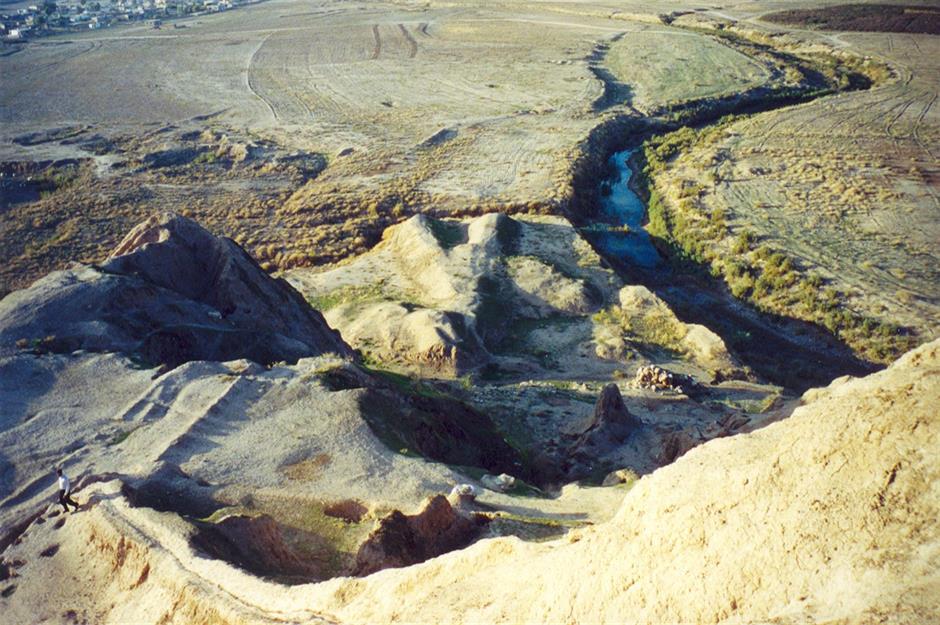
Located near the modern-day city Qal'at Sherqat, Ashur’s excavated remnants were added to UNESCO’s danger list in 2003, due to the prospective construction of a dam that would have flooded its ruins as well as its location in a highly volatile area. More recently, the site has been endangered by the Islamic State, with extremists wreaking severe damage to Iraq’s ancient archaeological and historical monuments, including the ancient Assyrian cities of Nineveh (the empire's oldest city) and Nimrod which suffered major damage. Museum artefacts were also looted in Mosul.
Hatra, Iraq
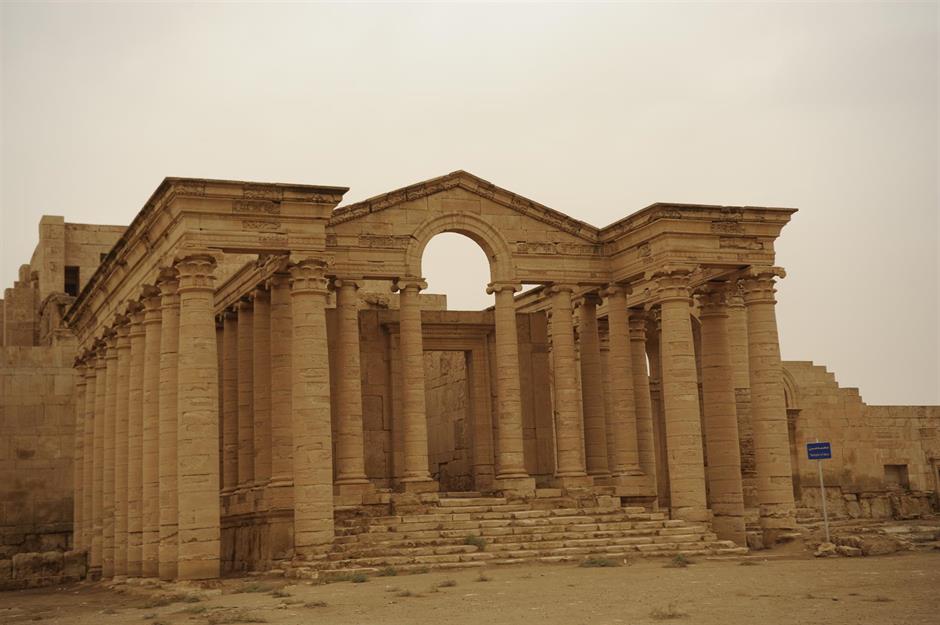
The fortress city of Hatra, which dates back to days of the Parthian empire in the 3rd or 2nd century BC, was the capital of the first Arab Kingdom. It's known for its mighty walls and towers, which helped it withstand two Roman invasions in the 2nd century AD, and has numerous temples and sculptures dedicated to gods including Apollo and Poseidon. The important archaeological site in northern Iraq was taken by ISIS in 2015, who used sledgehammers and guns to destroy carvings and statues. It is being restored.
Timbuktu, Mali
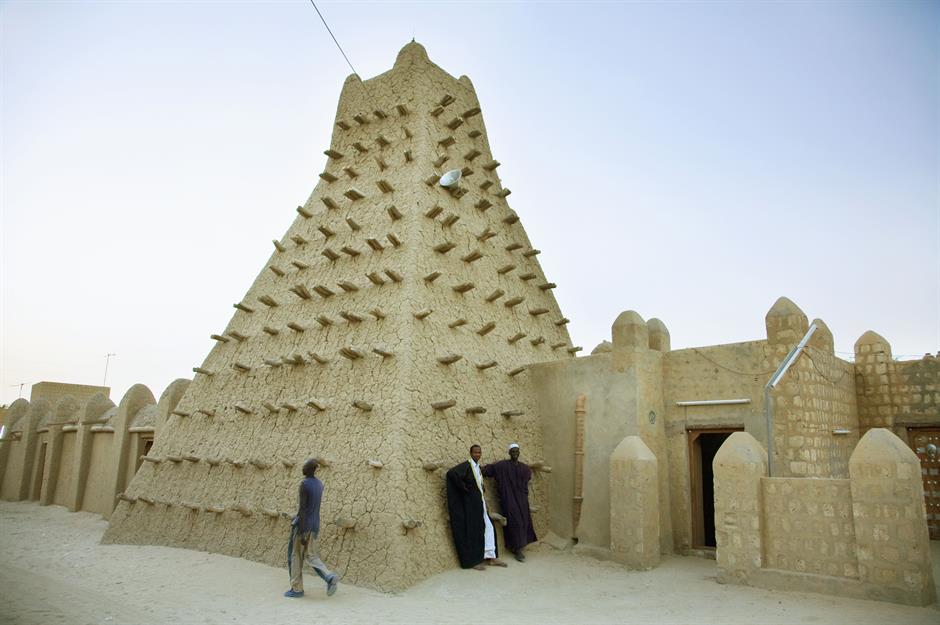
A hub of Arab-African trade and ancient centre of Islamic learning (it established one of the world’s earliest universities in the 12th century), Timbuktu has a wealth of historic and spiritual buildings. Founded by Tuareg nomads around 1100 AD, the desert city flourished due to its trade of salt and gold. But today it’s threatened by the encroachment of the desert sands and conflict. After the 2012 military coup, Islamic fundamentalists destroyed some of Timbuktu’s ancient mausoleums and manuscripts.
Sponsored Content
Timbuktu, Mali
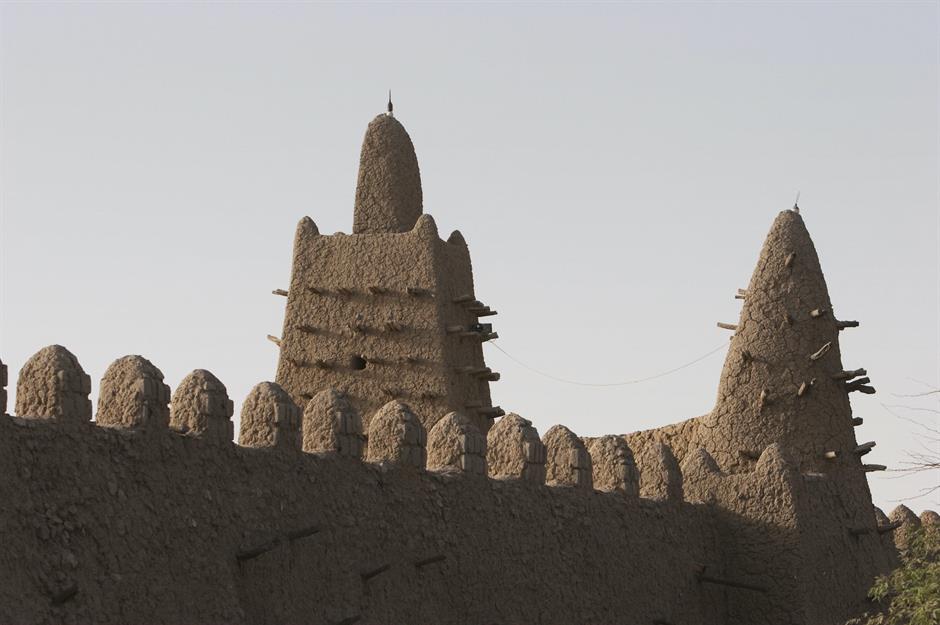
The city in northern Mali is famous for its three magnificent mud-and-timber mosques – Djingareyber, Sankore and Sidi Yahia – which are symbols of its former glory. They date to the 14th and 15th century but their fragile earthen structures are continuously restored. With a nationwide state of emergency in place since 2015 and a high likelihood of terrorists attacks, the FCDO advises against all travel to most of Mali including the Tombouctou Region of which the ancient desert city is capital.
Laas Geel, Somaliland
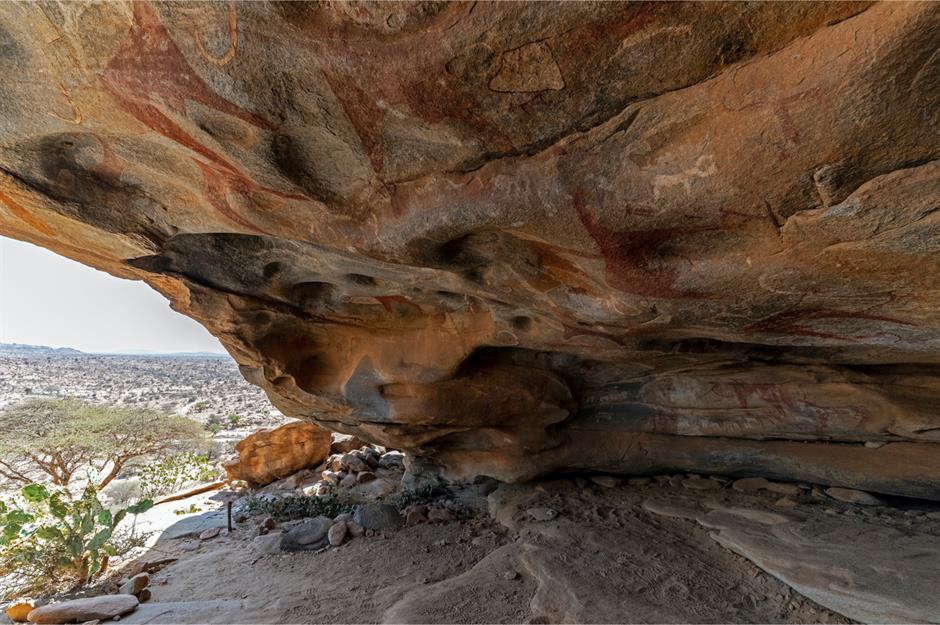
Decorating several caves in Somaliland, the well-preserved rock art of Laas Geel is some of the best in all of Africa. Due to travel advice against visiting Somalia and the self-declared independent Republic of Somaliland due to security risks, the age-old paintings are unlikely to get many international visitors in the near future. Ranging from 5,000 to 10,000 years-old, the paintings within the rocky shelters depict scenes of a pastoral lifestyle and animals such as giraffes that no longer inhabit the region.
Minaret of Jam, Afghanistan
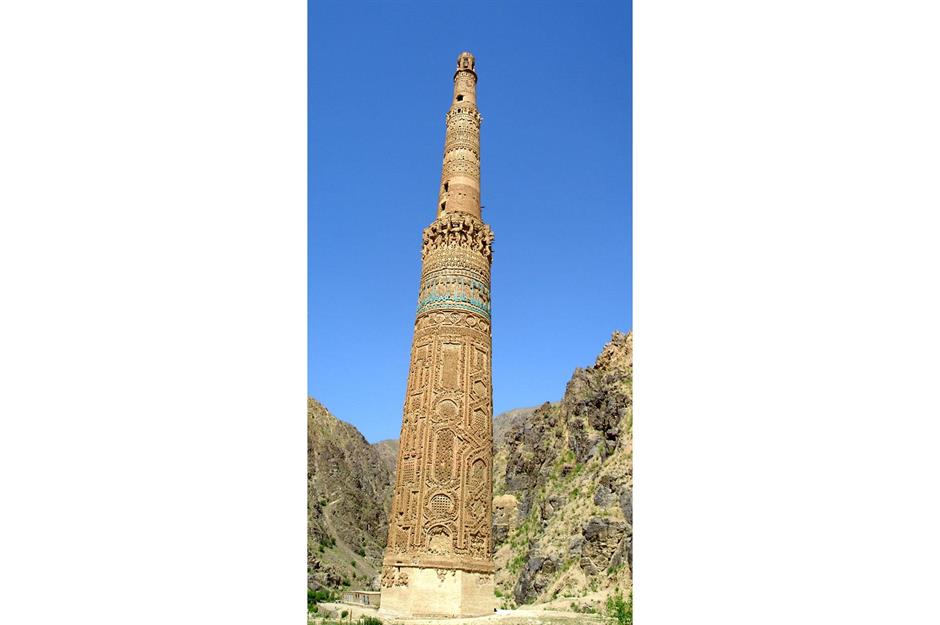
With its spectacular landscapes, rich mix of cultures and ancient history, Afghanistan is an alluring travel destination that has been largely inaccessible for decades due to ongoing conflict. One of its most significant ancient monuments is the medieval Minaret of Jam, which is tucked into a plunging river valley amid soaring mountains. Dating to the 12th century, the leaning tower was built by the great Ghurid Sultan Ghiyas-od-din and is acclaimed as a fine example of the architectural styles of Central Asia's Islamic period.
Sponsored Content
Abu Mena, Egypt
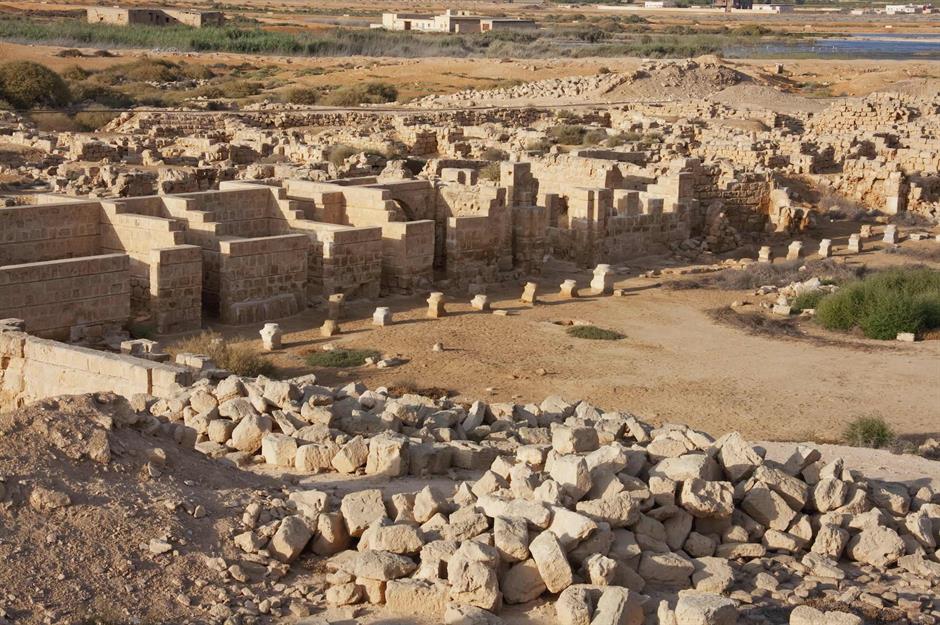
The archaeological site of Abu Mena, near Alexandria, houses the remains of an early Christian holy city, which was built over the tomb of Saint Menas of Alexandria, who was martyred in the 3rd century. Sadly, the foundations of some of the great ruined buildings have collapsed due to a rise in the water table. The fragile site remains very unstable and it was inscribed on UNESCO’s endangered heritage sites list in 2001.
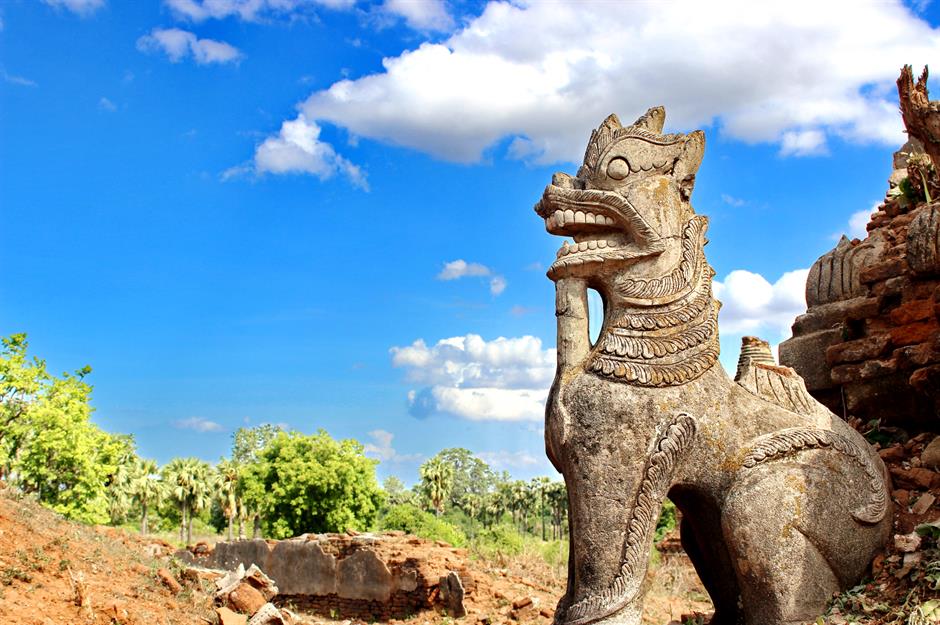
Pyu ancient cities, Myanmar
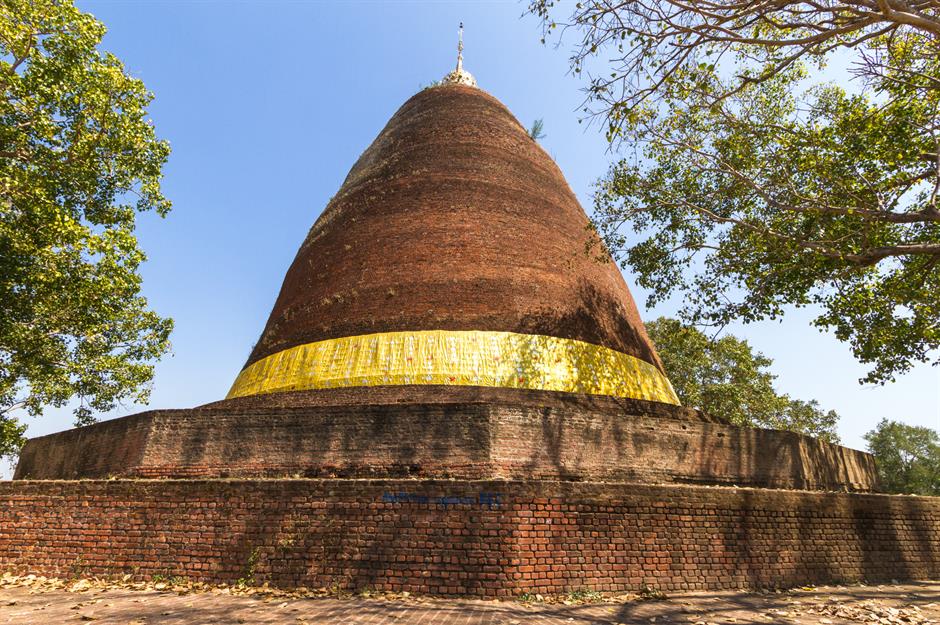
Pyu ancient cities, Myanmar
Sponsored Content
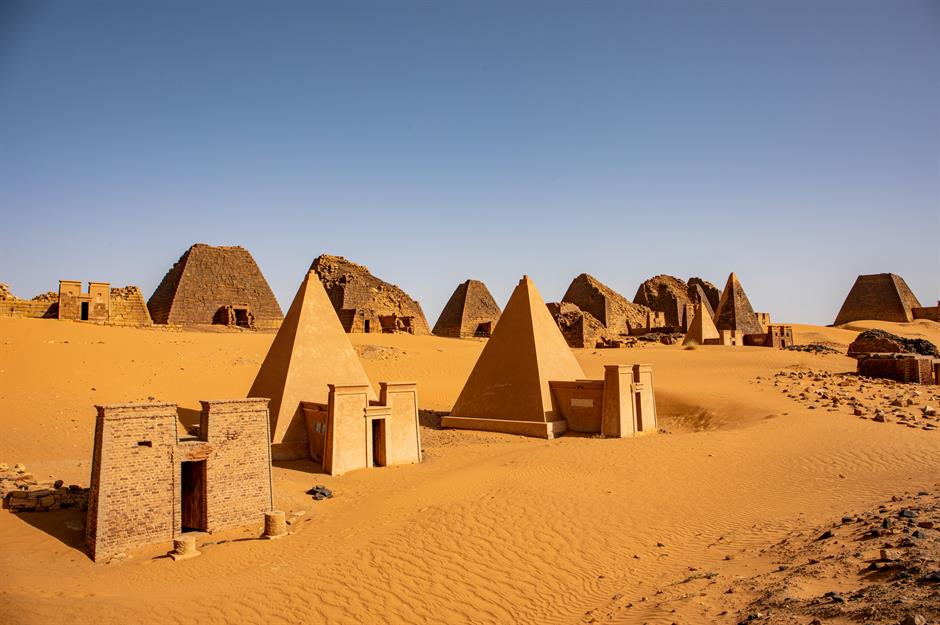
Meroë pyramids, Sudan
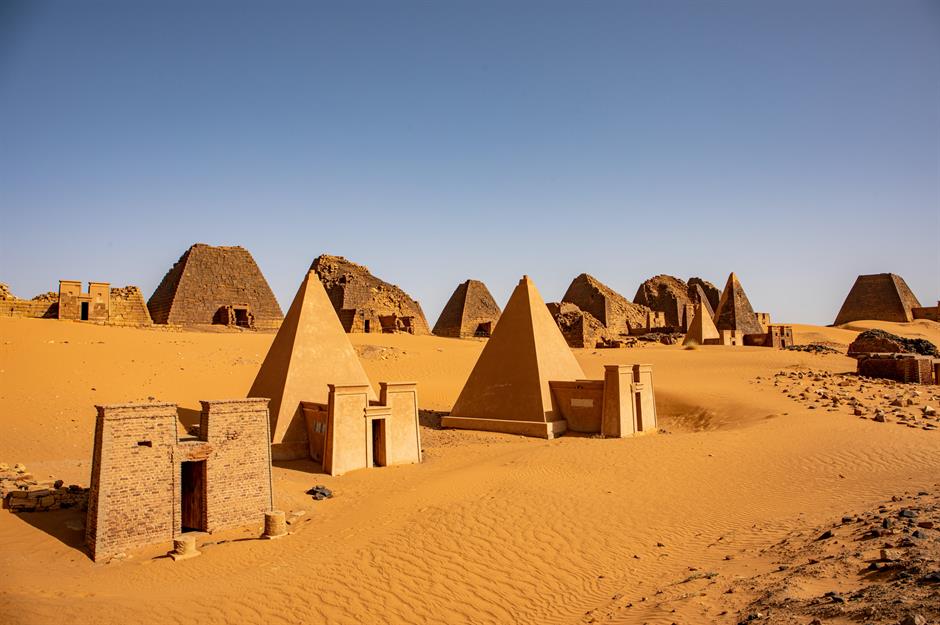
It might have more ancient pyramids than Egypt but very few people know about, let alone will get to visit, Sudan’s extraordinary collection of royal burial chambers. Lying on the east bank of the Nile, northeast of capital Khartoum, nearly 200 pyramids lie scattered among the dunes at Meroë. They were built by the rulers of the ancient Kushite kingdom, a major power in the ancient world from the 8th century BC to the 4th century AD. The small (in comparison to Giza's monumental pyramids) but impressive monuments are inaccessible to tourists due to political instability and conflict in Sudan.
Naqa, Sudan
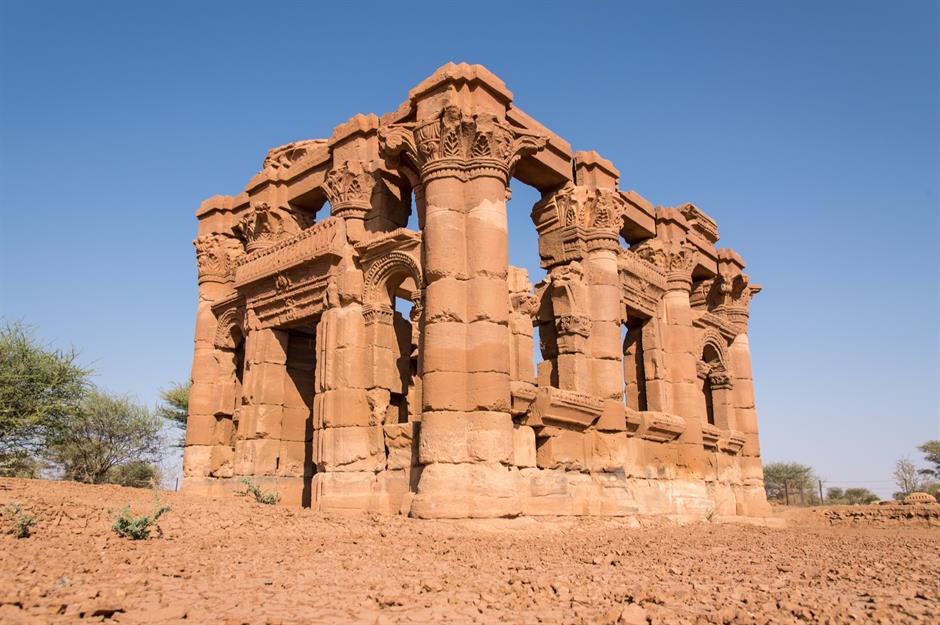
To the west of Meroë lies the archaeological treasures of Naqa, an ancient city that was part of the Kushite kingdom. Known for its well-preserved temples, Naqa's key features are the temple of Amun and the temple of Apedemak (or Lion Temple), which is prized as a classic example of Kushite architecture. It also has a Roman kiosk (pictured), lying just to the east of the Lion Temple, which reveals Pharaonic Egyptian, Hellenistic and Kushite influences in its architecture and decorative elements.
Take a look at these ancient mysteries we don't know the answer to
Comments
Be the first to comment
Do you want to comment on this article? You need to be signed in for this feature