NASA's most incredible images ever taken
NASA in pictures
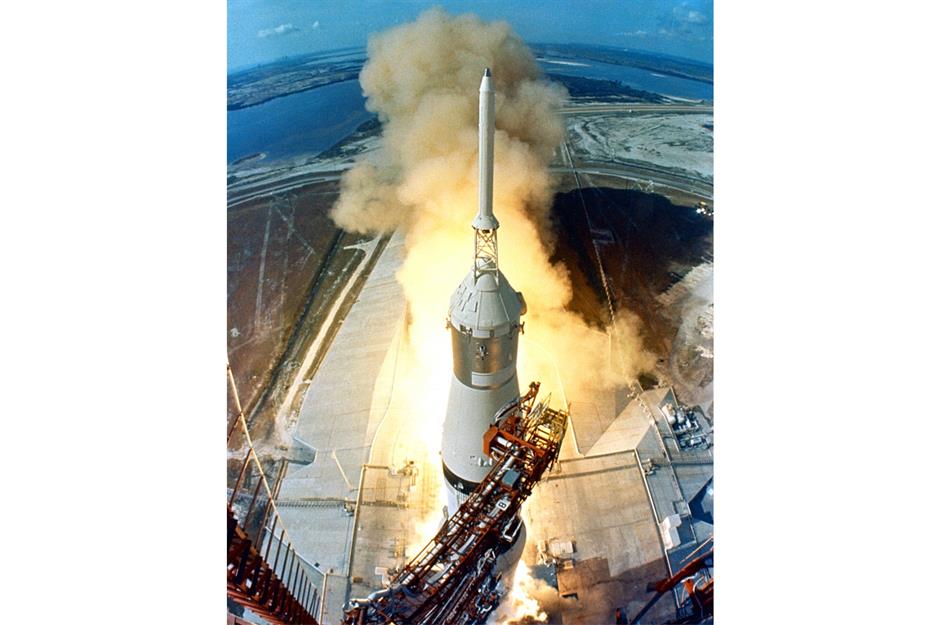
Apollo 11 launches into history
The trio that started it all
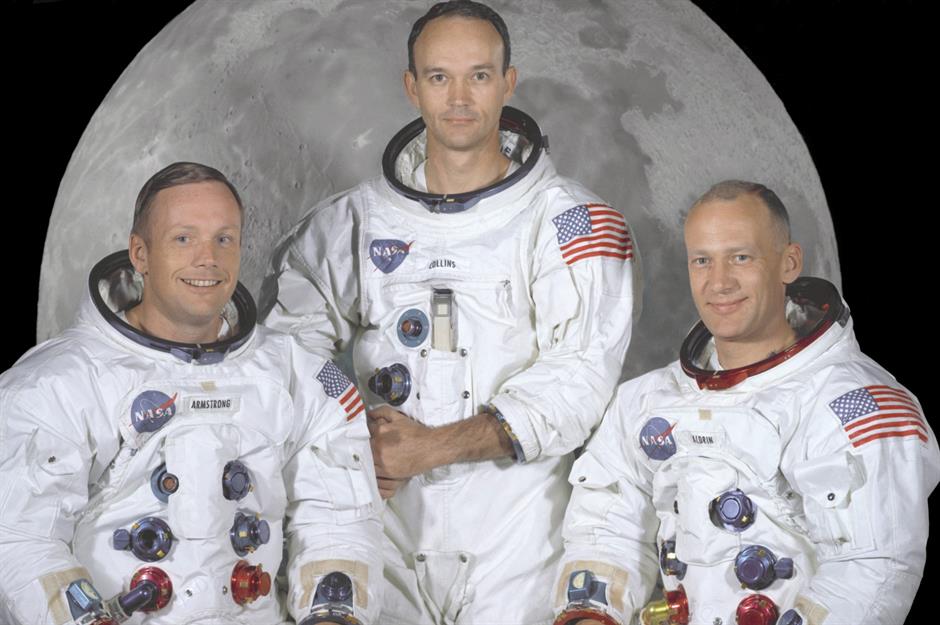
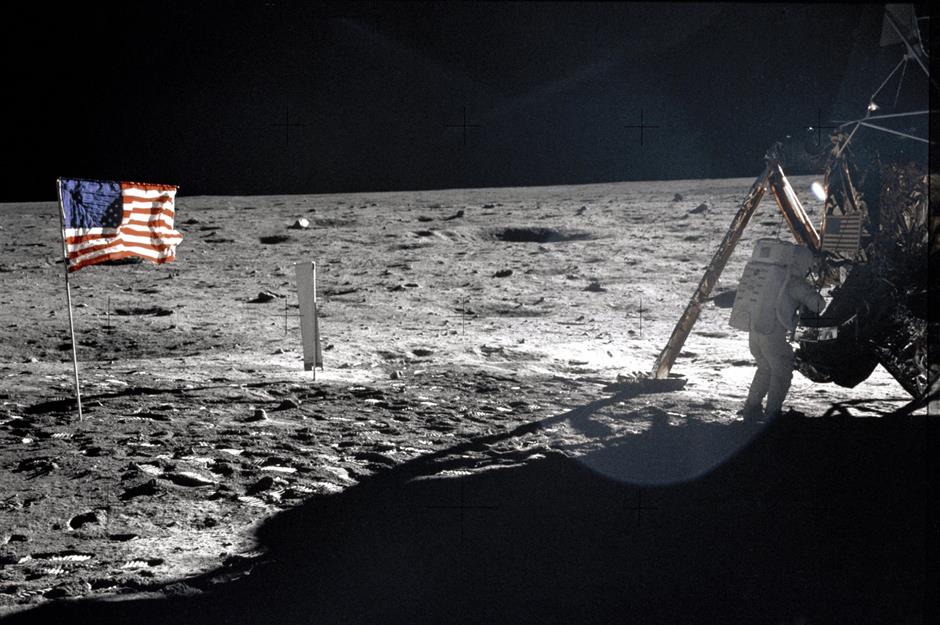
This portrait is of Apollo 11's crew: commander Neil Armstrong, Command Module pilot Michael Collins and Lunar Module pilot Buzz Aldrin. On 20 July 1969, the crew landed on the moon, Armstrong stepped off the Eagle’s landing and said: “That’s one small step for man, one giant leap for mankind”. Heard by millions around the world on TV and radio, Armstrong’s words have become one of the most famous quotes in history.
Sponsored Content
One small step for man
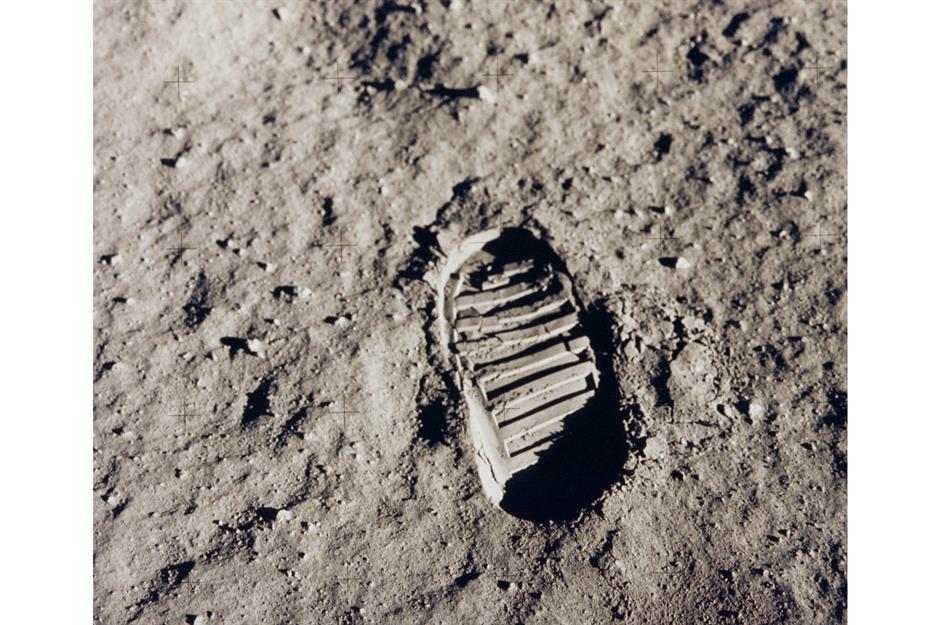
Astronaut Neil Armstrong walks on the moon
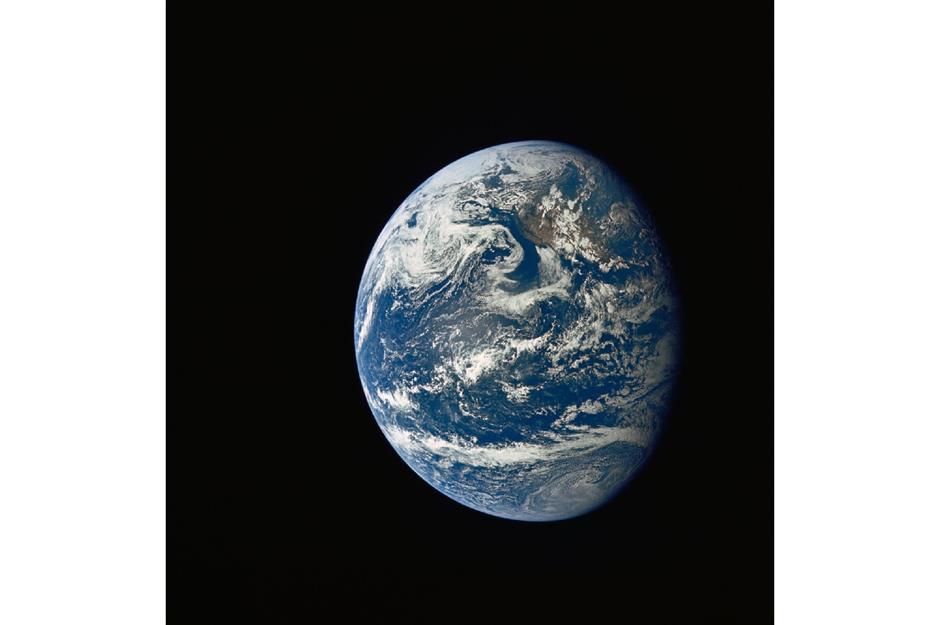
View of Earth from Apollo 11
Sponsored Content
A day of celebration
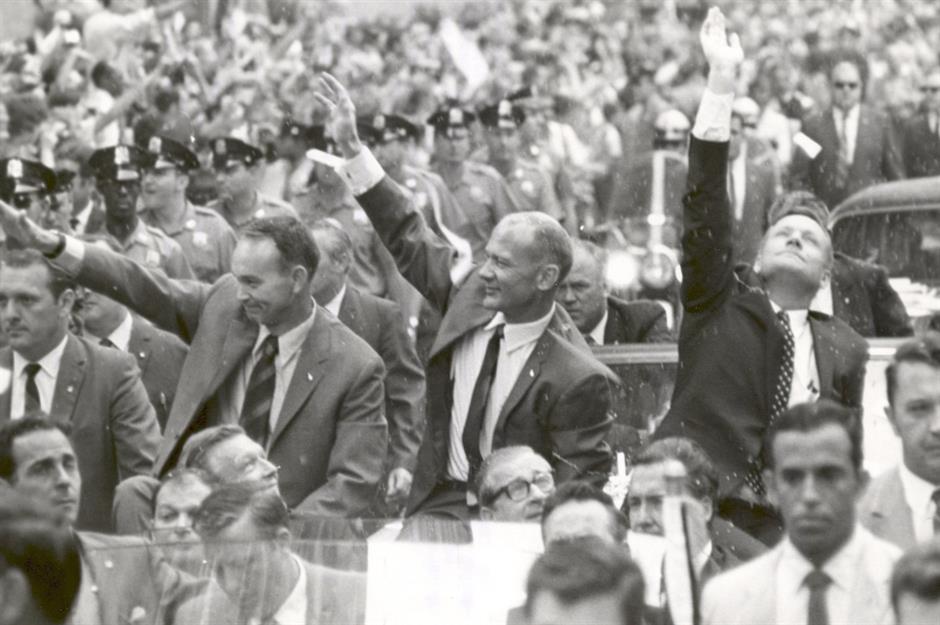
20th anniversary of when man first walked on the moon
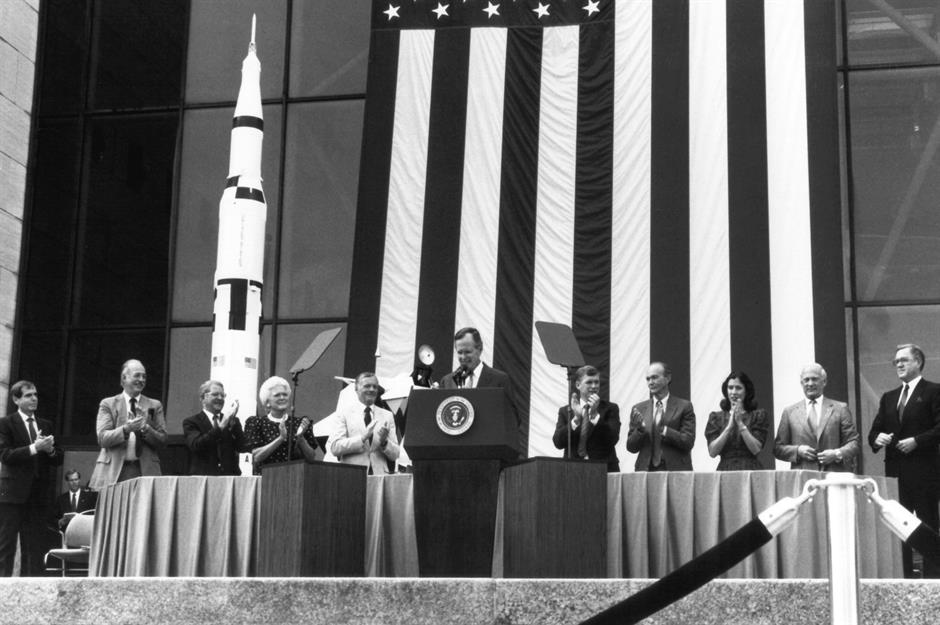
Former president George Bush is shown speaking at the National Air and Space Museum’s 20th anniversary celebration of the Apollo 11 moon landing on 20 July 1989. It was here that Bush also announced his new Space Exploration Initiative which included completing the space station, returning to the moon and taking humans to Mars for the first time. The initiative later fell through after Congress resisted due to the sky-high $500 billion (£360bn) budget needed and NASA returned to its earlier programme of developing robotics for space travel.
Neptune
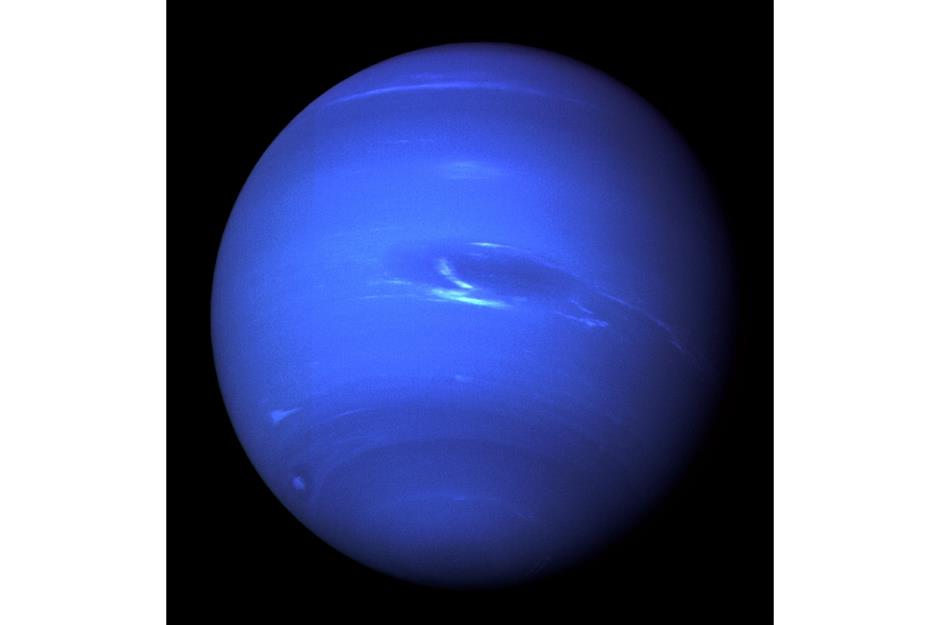
On 25 August 1989, Voyager 2 was the first and only spacecraft so far to fly by the planet Neptune and its two satellites, Triton and Nereid. The planet’s bold blue colour is caused by the methane in the atmosphere. Research continues on Neptune’s two largest satellites and the other six that were discovered during Voyager 2’s investigation.
Love this? Follow our Facebook page for more travel inspiration
Sponsored Content
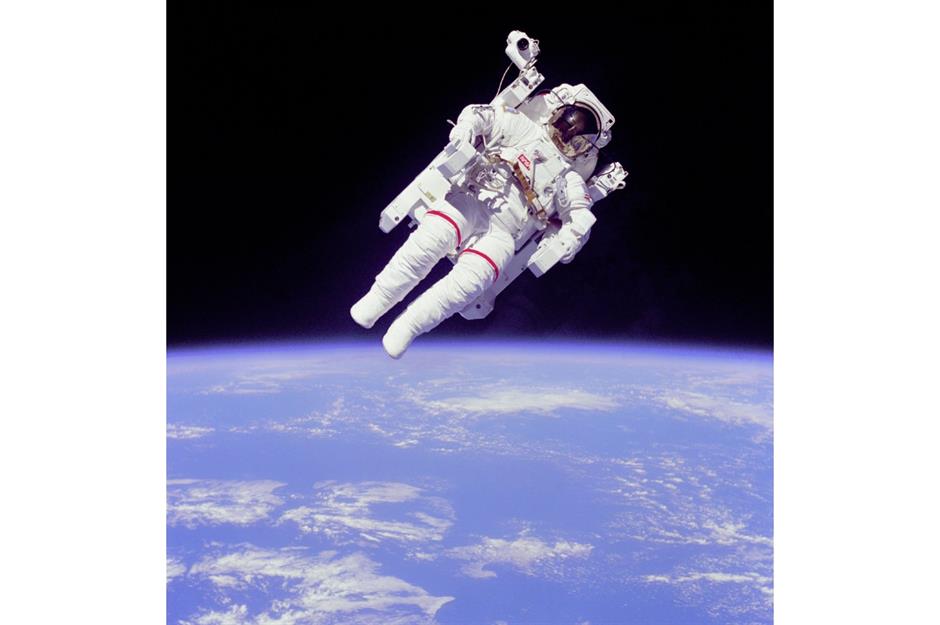
Free-flying in space
The ultimate weather shot
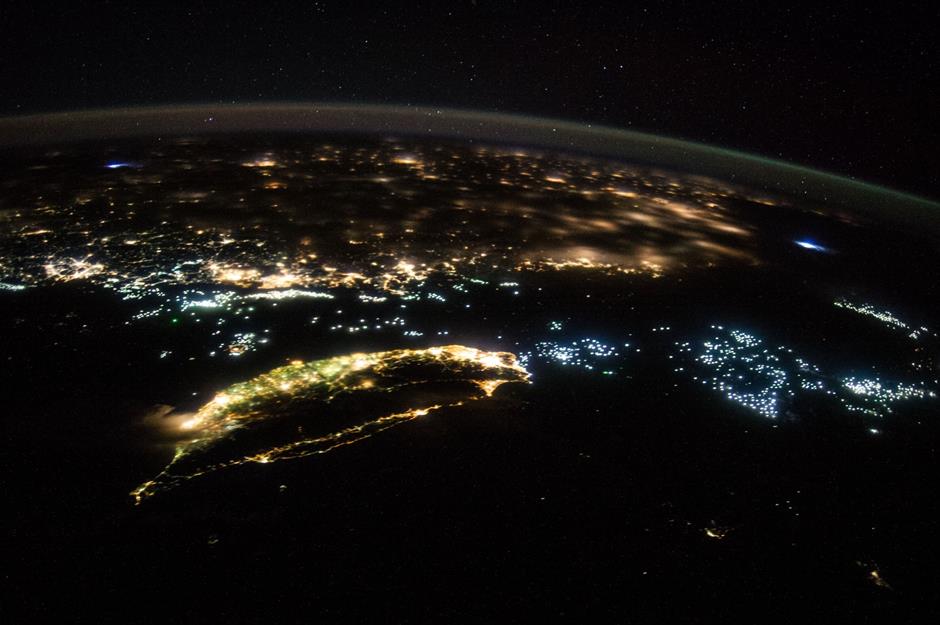
This stunning photograph shows lightning taken aboard the International Space Station by the crew of Expedition 40. Lightning can be seen on both the left and the right of the image, captured from an altitude of 222.5 miles (358km).
Check out these jaw-dropping images of the world’s weather taken from the skies
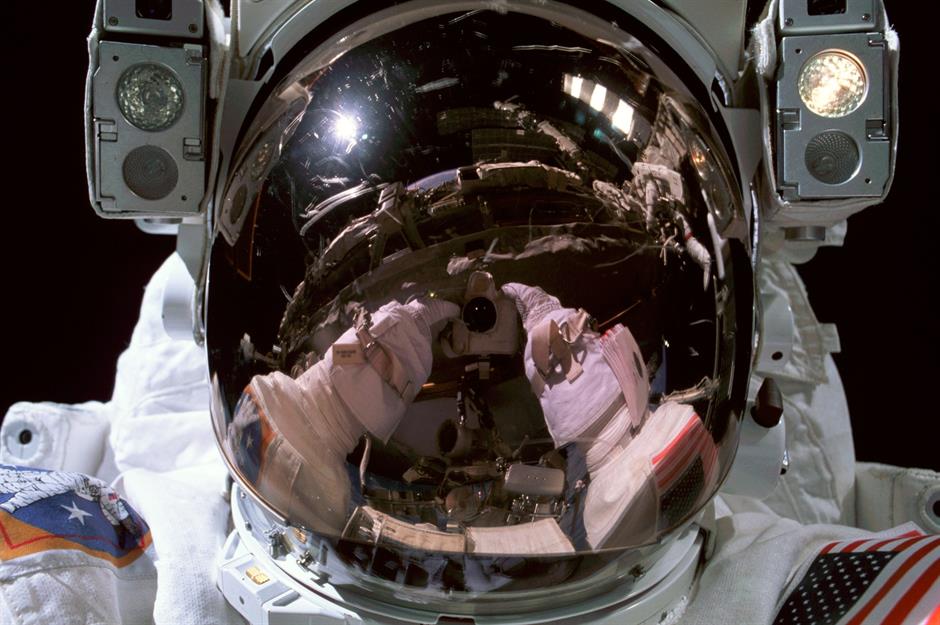
An out-of-this-world selfie
Sponsored Content
Satellites for sale
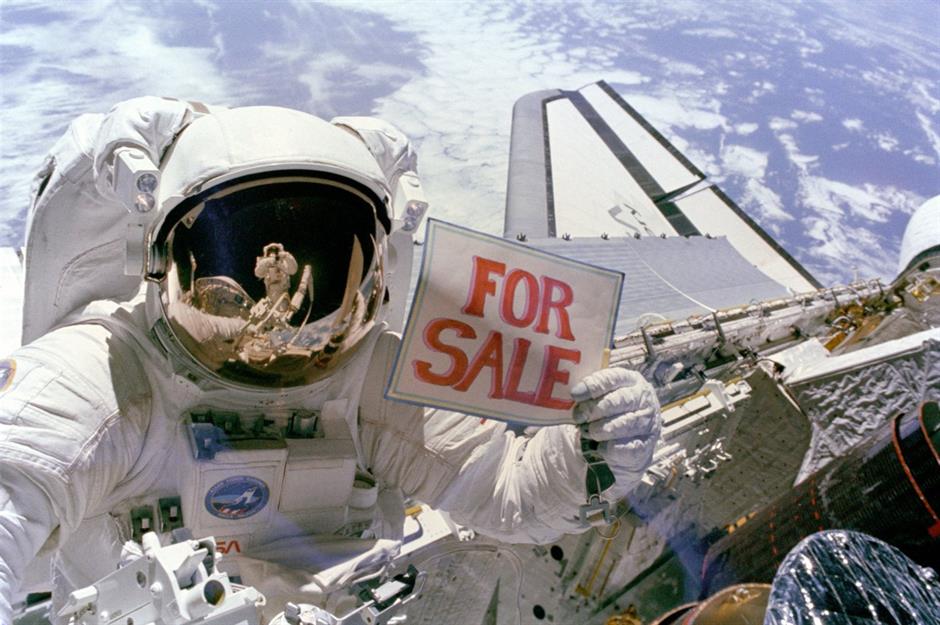
This hilarious shot by astronaut Joseph Allen shows astronaut Dale Gardner holding a ‘For Sale’ sign after completing a major portion of his second expedition outside the spacecraft in 1984. The sign refers to the two satellites, Palapa B2 and Westar 6, that they retrieved from orbit after their Payload Assistant Module (a rocket attached to a satellite) failed to fire. The image depicts Allen in Gardner’s visor as well as the two recovered satellites.
Pioneering spacewalk
Amazing Earth
Sponsored Content
Friendship 7
Carina Nebula
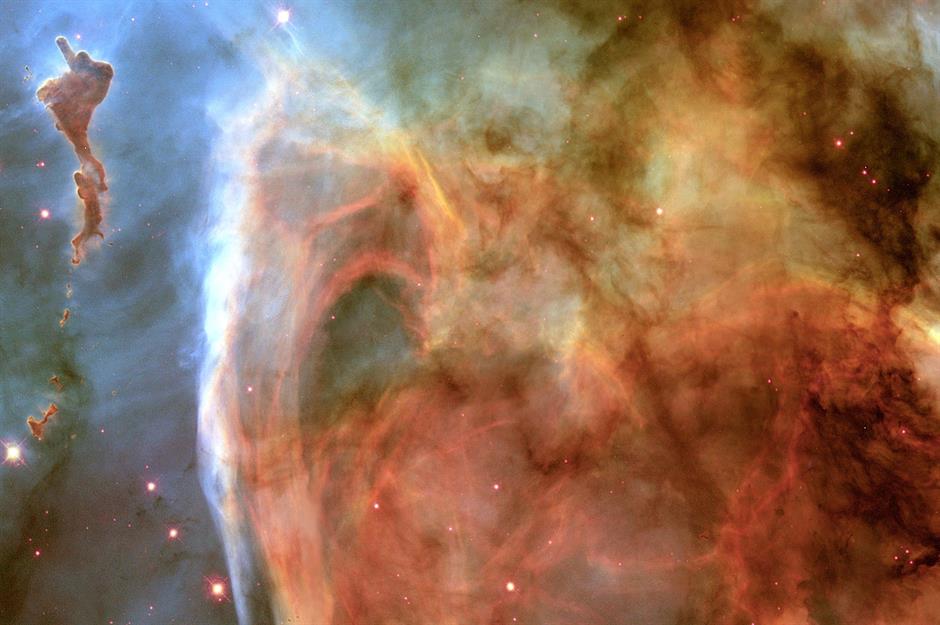
This mystical photo reveals previously unseen details of the mysterious and complex structure of the small dark cloud of molecules and dust within the Carina Nebula (NGC 3372). This image is actually a montage of four different April 1999 telescope points courtesy of the Hubble’s Wide Field Planetary Camera 2, using six different colour filters. With a diameter of over 200-light-years, the Carina Nebula is one of the most impressive features of the Milky Way.
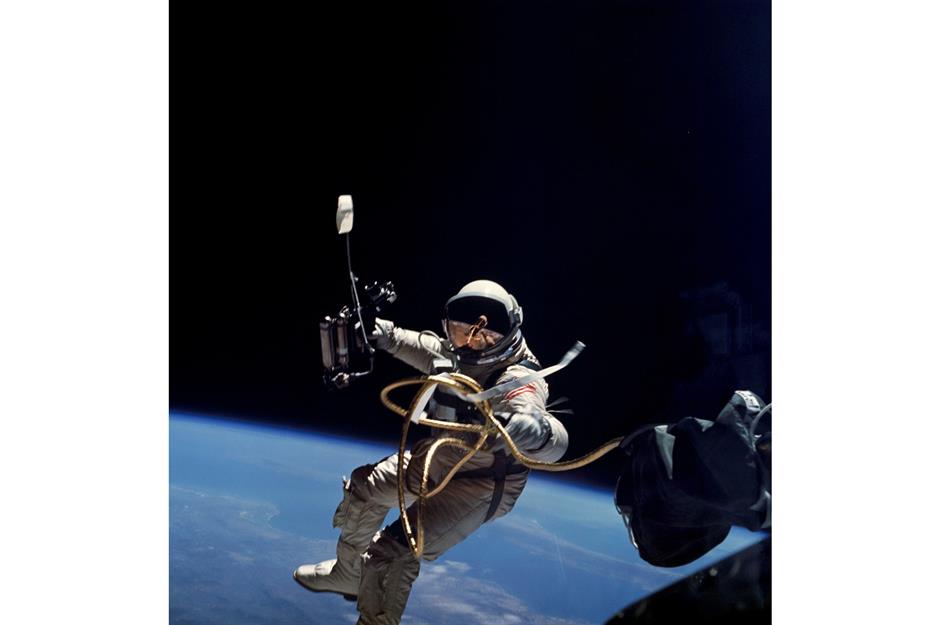
Astronaut Ed White performs America’s first spacewalk
Sponsored Content
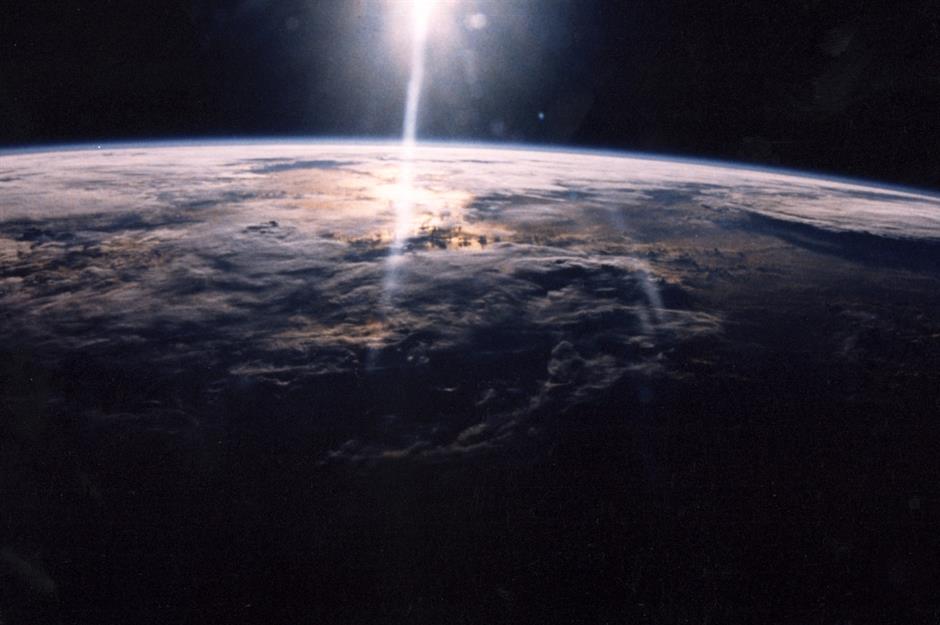
Sunlight over Earth
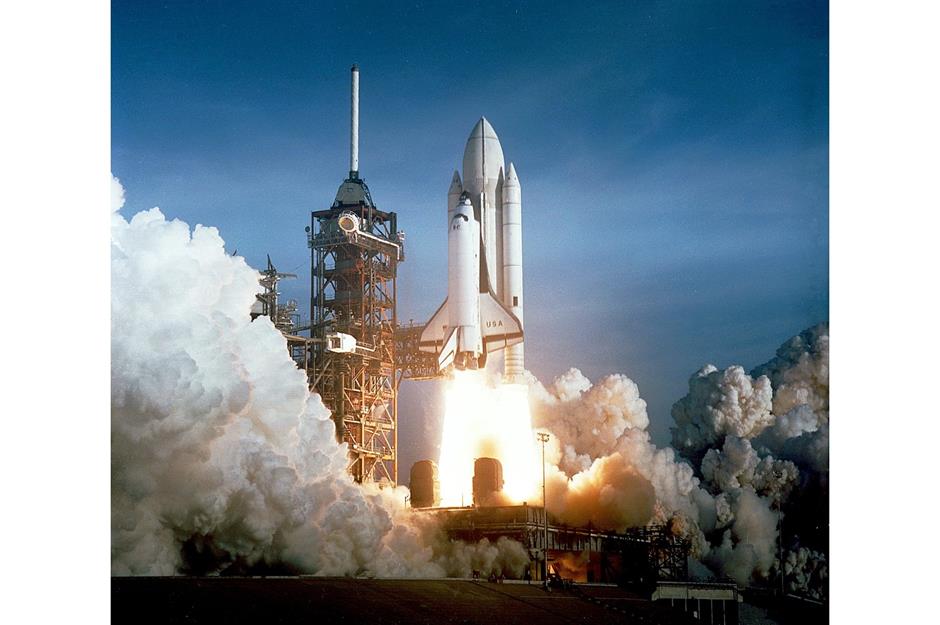
A new era of space travel
The Southern Lights from the International Space Station
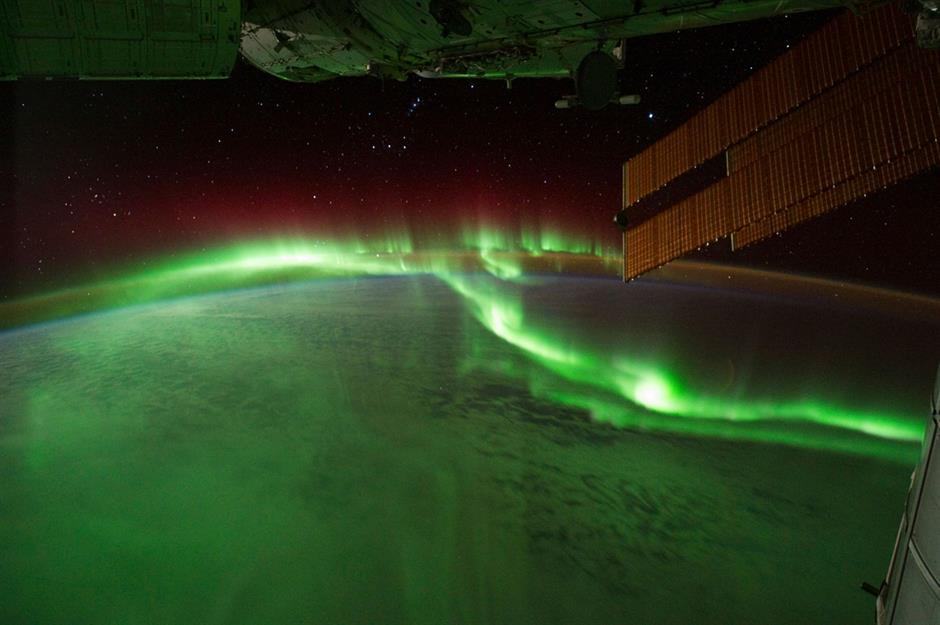
The aurora australis is already a truly magical sight on Earth, but this image taken from space takes the incredible phenomenon to new heights. The International Space Station used a digital camera to take hundreds of images of the colourful ribbons of light as it passed from south of Madagascar to just north of Australia between 5.22pm and 5.44pm Universal Time on 17 September 2011. Auroras are a beautiful symbol of how our planet is electrically and magnetically connected to the sun.
Sponsored Content
Starry night
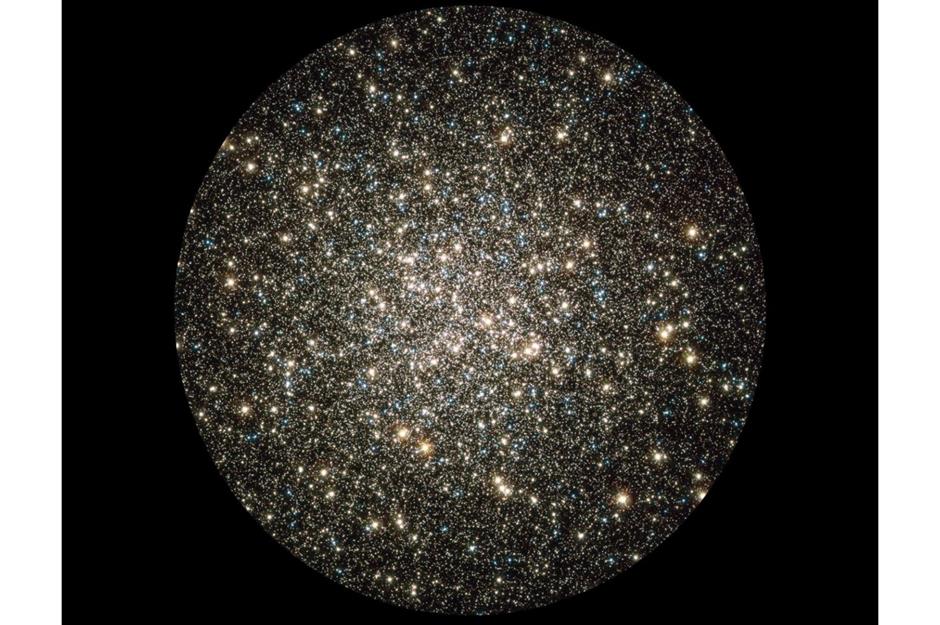
Resembling a sparkling snow globe, the Hubble Space Telescope took this beautiful snapshot of hundreds of thousands of stars whirling around in the globular cluster M13. Also known as the Hercules Cluster, it is one of the brightest and best-known globular star clusters visible from the Northern Hemisphere. During winter, M13 can easily be found within the constellation Hercules, even glanced at unaided when the sky is dark enough. Located 25,000 light-years away, it is home to over 100,000 stars, packed closely together in a ball roughly 150 light-years across.
Jack Fischer preparing for the 200th station spacewalk
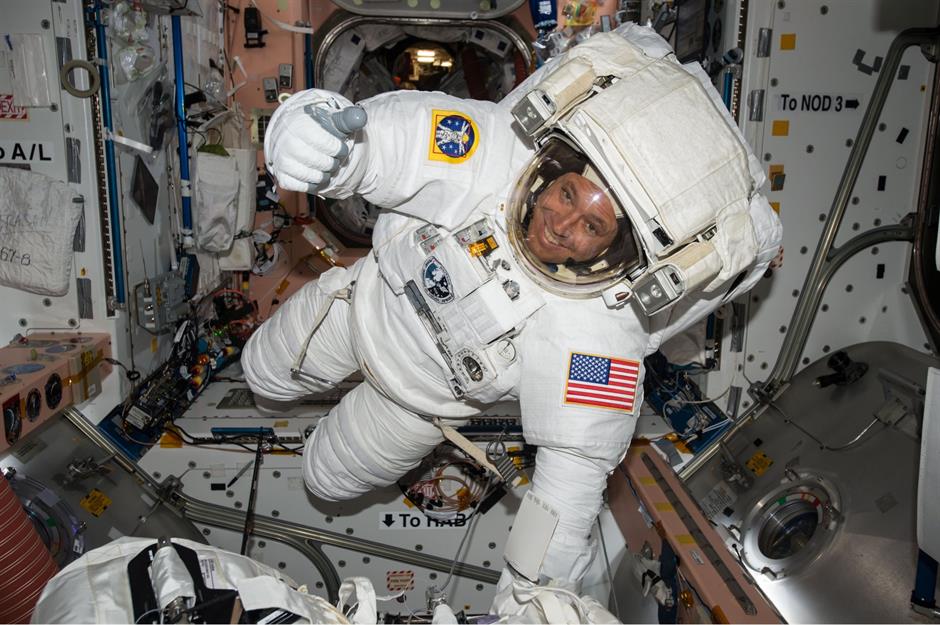
NASA astronaut and Air Force colonel Jack Fischer is pictured wearing an American space suit during a fit check in preparation for his first spacewalk, which took place on 12 May 2017. This was also the 200th spacewalk at the International Space Station for maintenance and assembly. The walk, conducted by Fischer and Expedition 51 commander Peggy Whitson, involved replacing a large avionics box that supplied electricity and data connections for science experiments and lasted just over four hours.
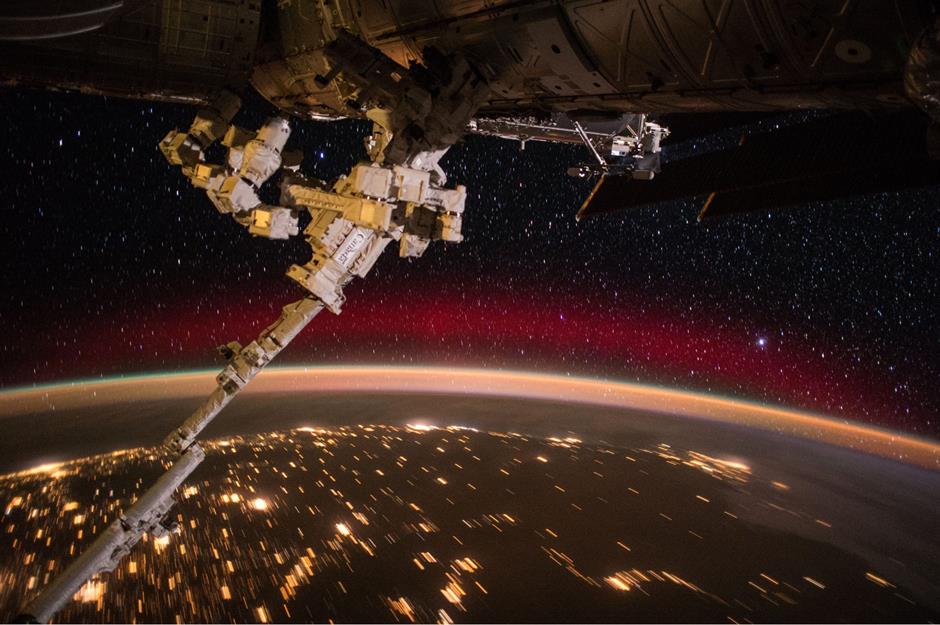
An aurora from space
Sponsored Content
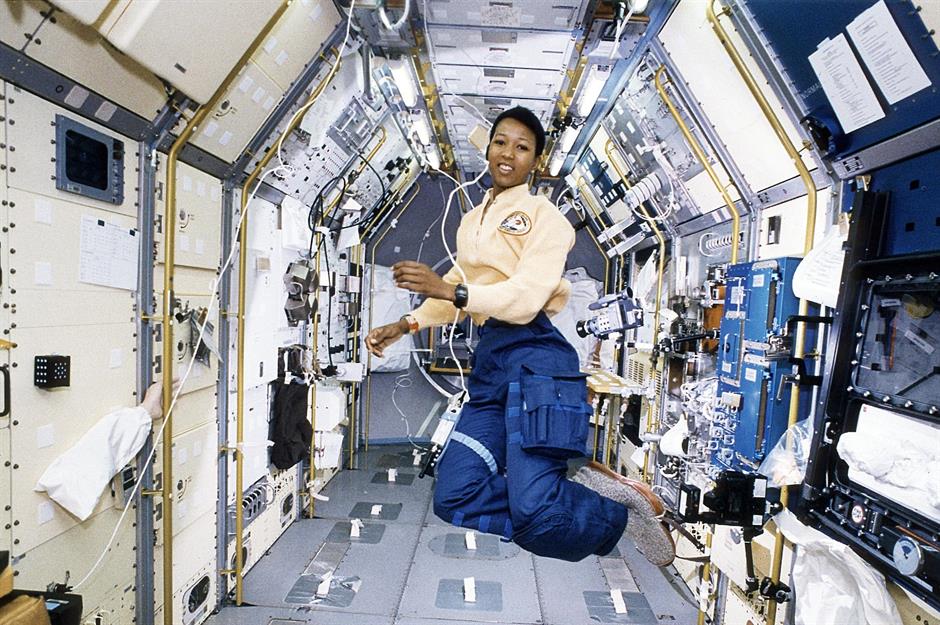
Mae Jemison, the first African-American woman in space
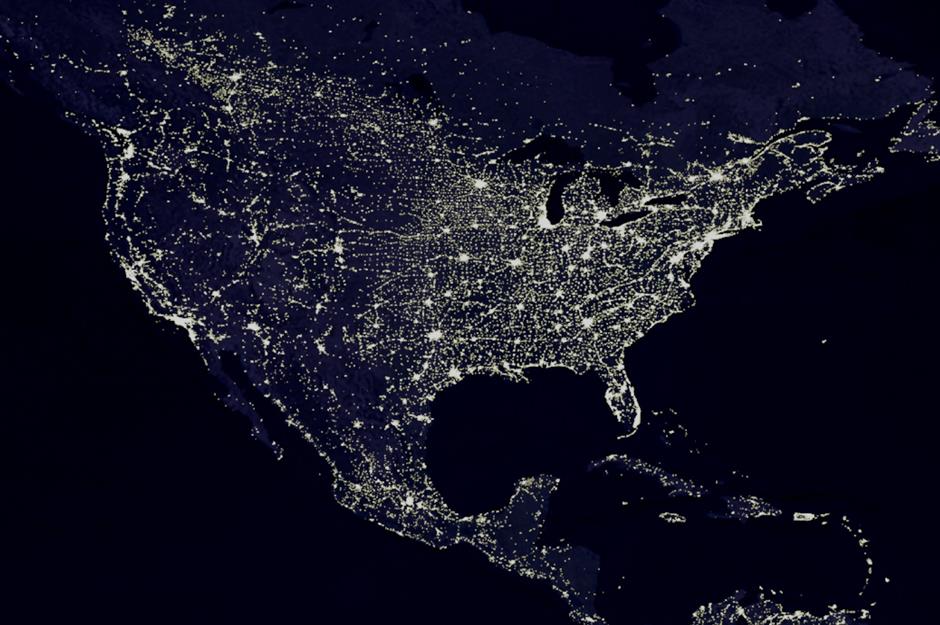
Bright lights of America
Alan Shepard on the moon
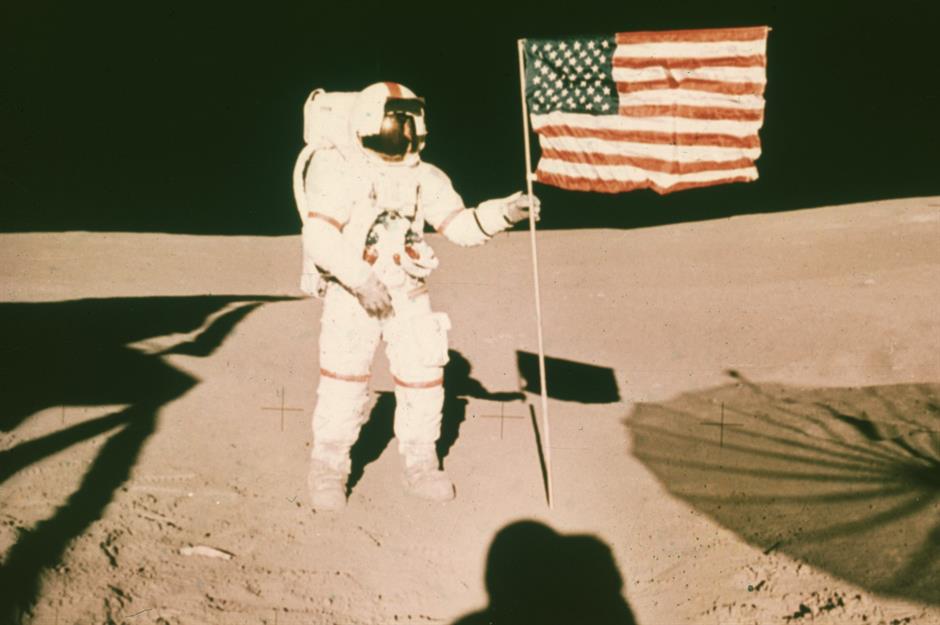
Another out-of-this-world image, astronaut Alan Shepard can be seen holding the pole of a US flag on the surface of the moon during the Apollo 14 mission in 1971.
Sponsored Content
Ready to race
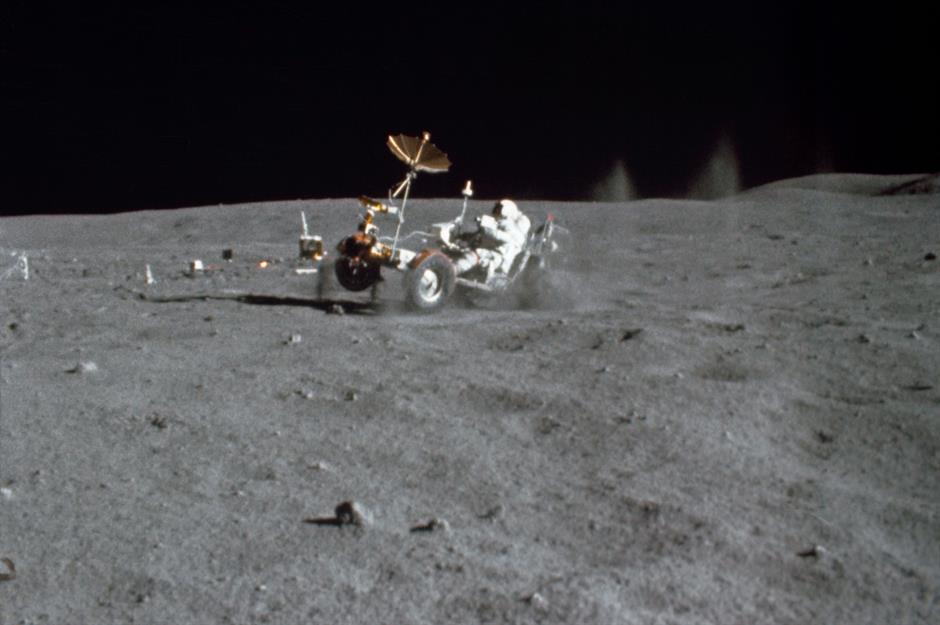
The Lunar Roving Vehicle gets a test drive by astronaut John Young during the first Apollo 16 spacewalk at the Descartes landing site on the moon in 1972. Captured by fellow astronaut Charles Duke, the image is from a motion picture film exposed by a 16mm Maurer camera.
Mary Jackson
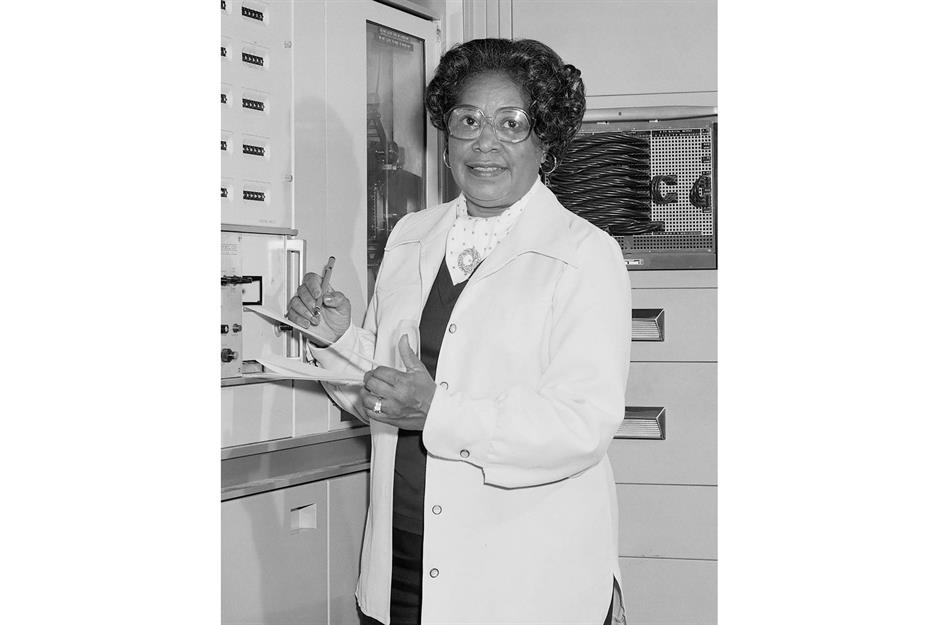
A legendary mathematician, Mary Jackson became NASA’s first black female engineer in 1958. Despite the segregation and gender bias at NASA’s Langley Research Center in Virginia during the 1950s and 1960s, Jackson played a crucial role in astronaut John Glenn’s launch into orbit and also helped promote opportunities for women in engineering and technology. The biographical film, Hidden Figures (2016) starring Janelle Monáe, Octavia Spencer and Taraji P. Henson is based on Jackson and other African-American female mathematicians including Katherine Johnson and Dorothy Vaughan.
Colourful star formation
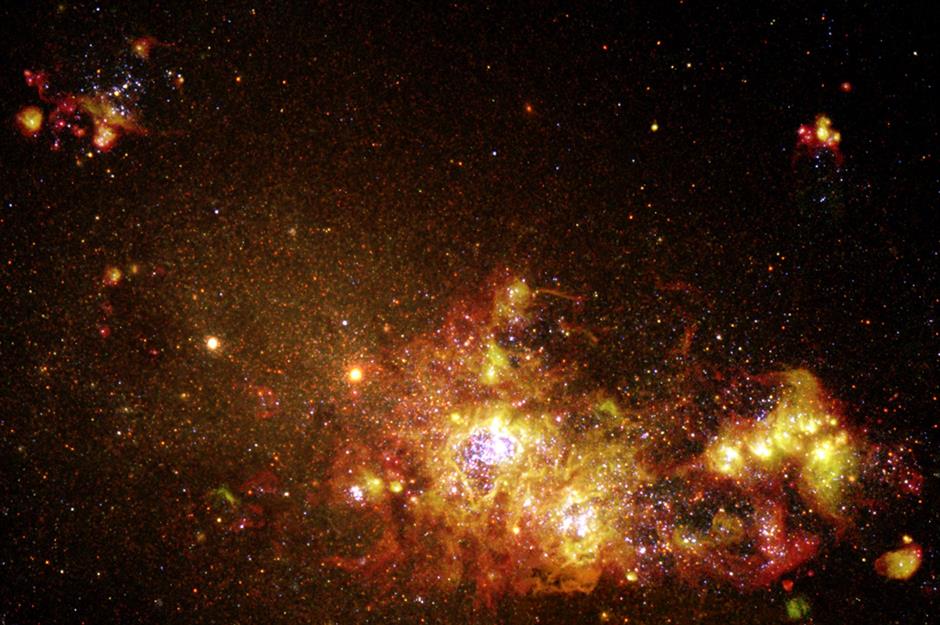
Situated some 23 million light-years from Earth, the NGC 4214 is a dwarf galaxy lit up with new stars forming from its interstellar gas and dust. Captured by the Hubble Space Telescope, the image was created using exposures taken in several colour filters with the telescope’s Wide Field Planetary Camera 2. Dominated by the filigreed clouds of glowing gas surrounding the bright stellar clusters, the NGC 4214 also contains various faint stars which cover most of the frame. Due to their blisteringly high surface temperature, the young stars have a pretty white and blue coloured glow in the image.
Sponsored Content
Atlantis docked to space station Mir
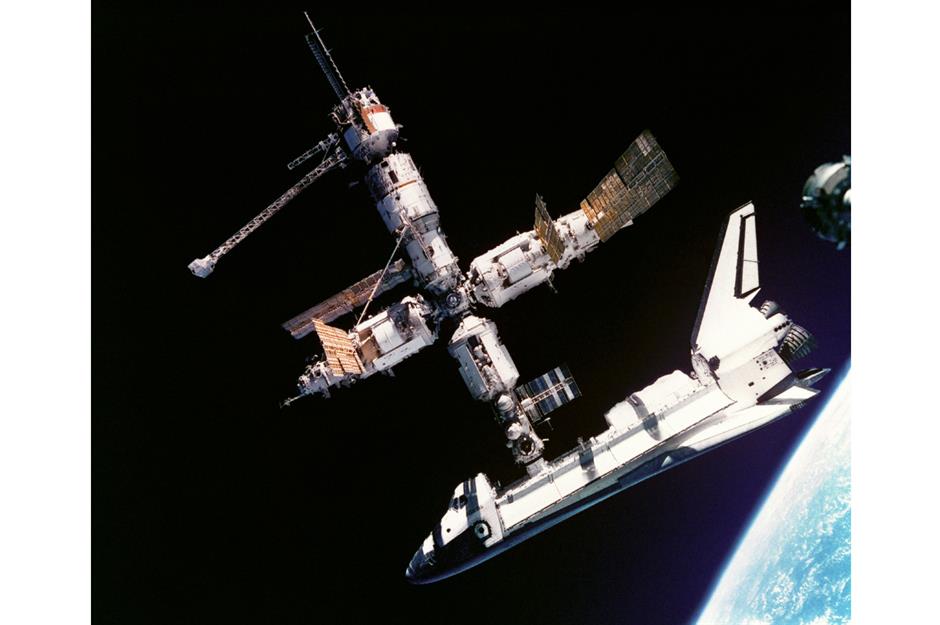
Photographed by Mir-19 crew members Anatoly Solovyev and Nikolai Budarin, this incredible image shows the Space Shuttle Atlantis still connected to Russia’s Mir Space Station during the Shuttle-Mir Programme. Between 1993 and 1998, Shuttle-Mir involved NASA and the Russian Space Agency working together in space. The collaborative programme was filled with many historic firsts in space exploration, including the first Russian aboard an American shuttle (Sergei Krikalev), and astronaut Norman Thagard became the first American aboard the Mir Space Station.
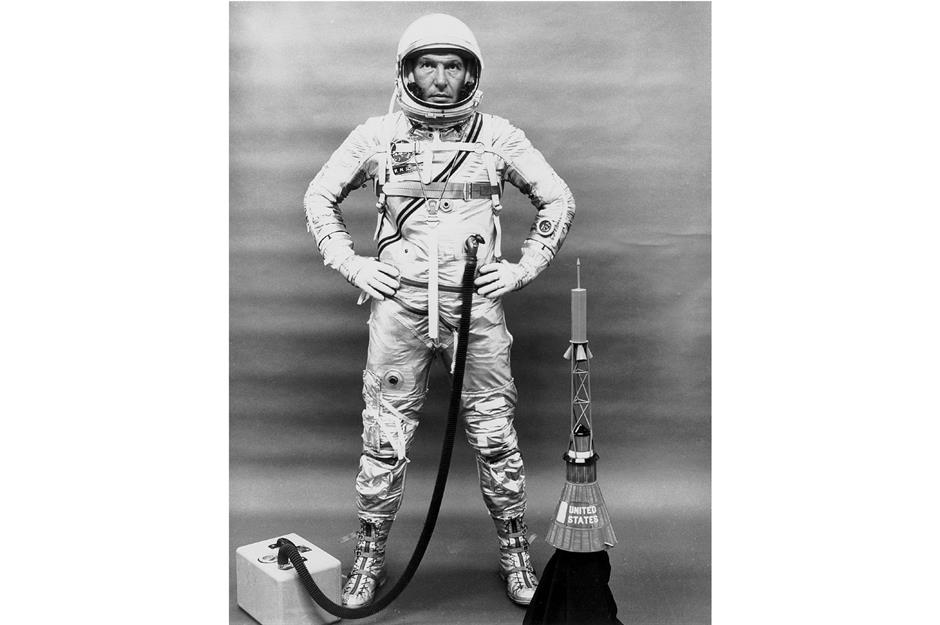
Astronaut Walter Schirra
Jupiter’s Great Red Spot as viewed by Voyager 1
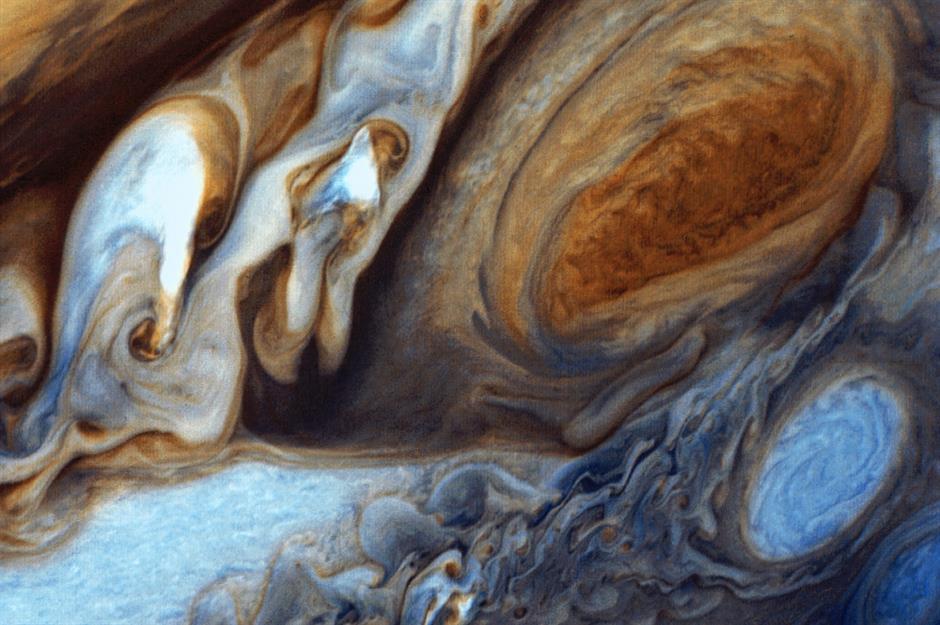
Measuring around 89,000 miles (143,200km) in diameter, Jupiter is the largest planet of our solar system and arguably one of the most impressive. Vibrant bands of clouds carried by winds exceeding up to 400mph (644 km/h) are known to continuously circle the planet’s atmosphere. These winds can cause spinning anticyclones like the Great Red Spot pictured here in Jupiter’s southern hemisphere. In 1979, Voyager 1 spacecraft took this close-up of the mystical swirling clouds around Jupiter's Great Red Spot using black and white negatives.
Sponsored Content
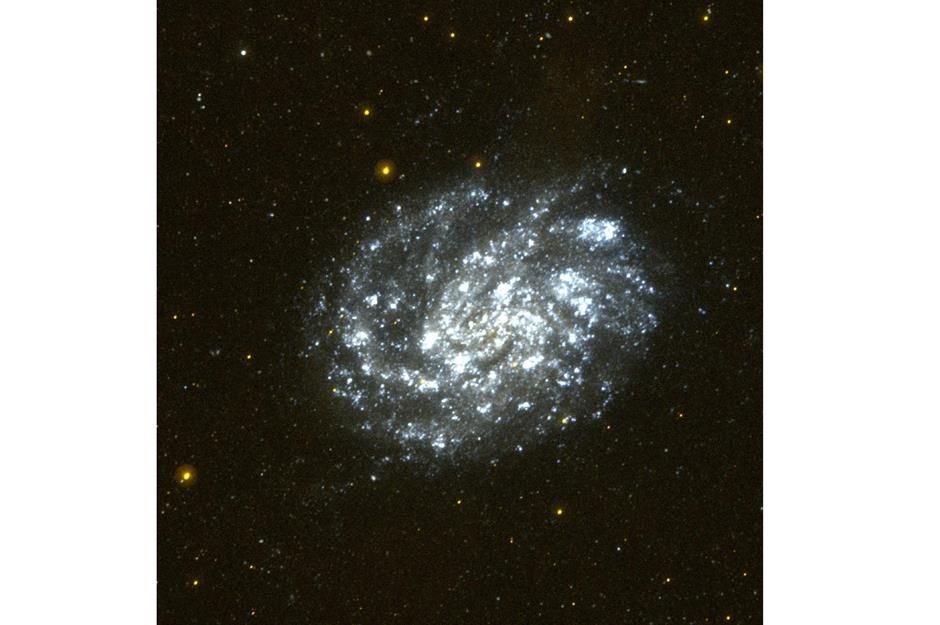
Galaxy NGC 300
Chris Hadfield
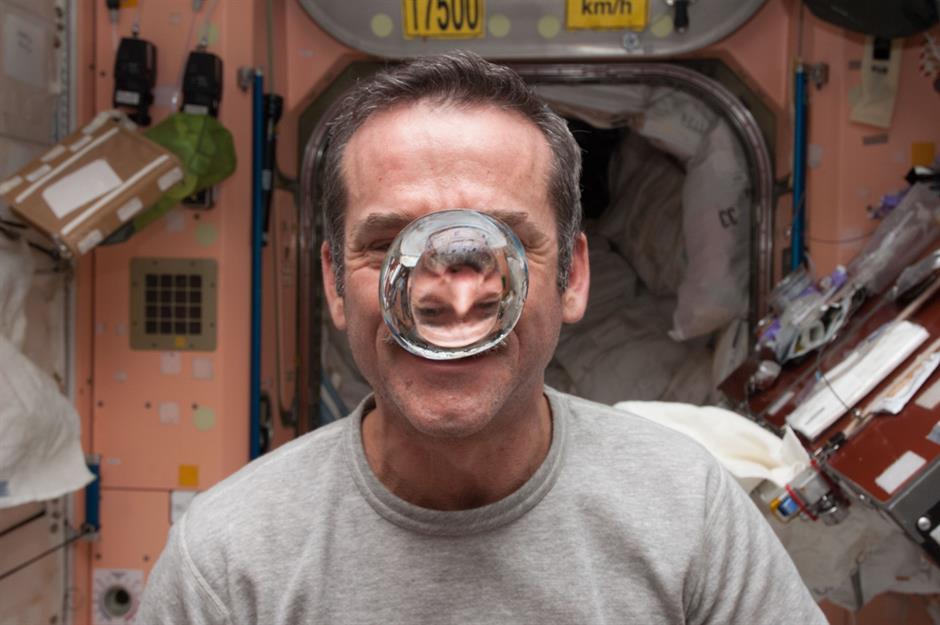
This cool shot shows Canadian Space Agency astronaut Chris Hadfield watching a water bubble as it floats in the International Space Station’s Node 1. The image was taken during Hadfield’s stay on the space station during Expedition 34, a long-duration mission that took place between 2012 and 2013.
Check out this interview with American astronaut Steve Smith
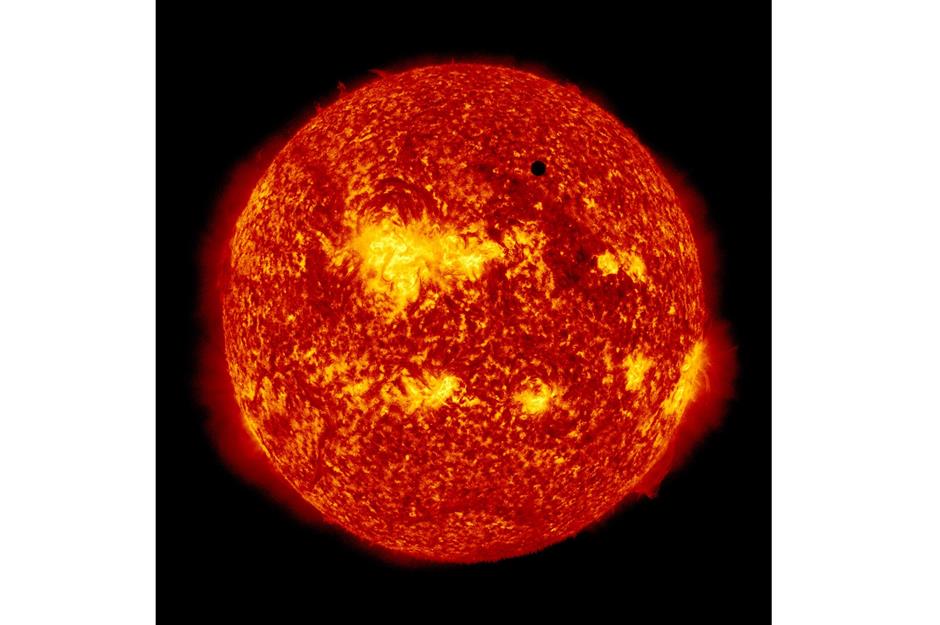
Venus transit across the sun
Sponsored Content
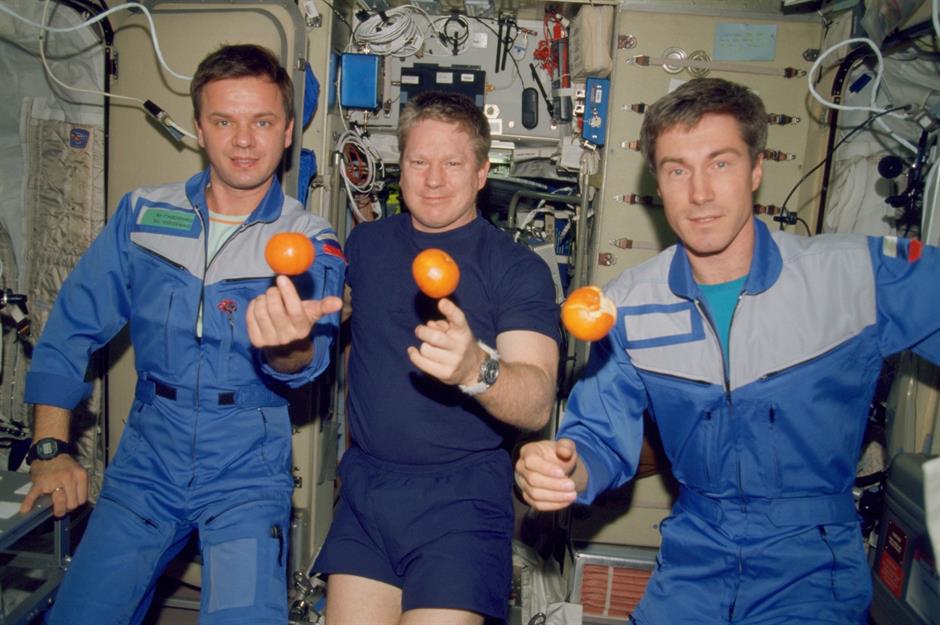
Expedition 1 crew
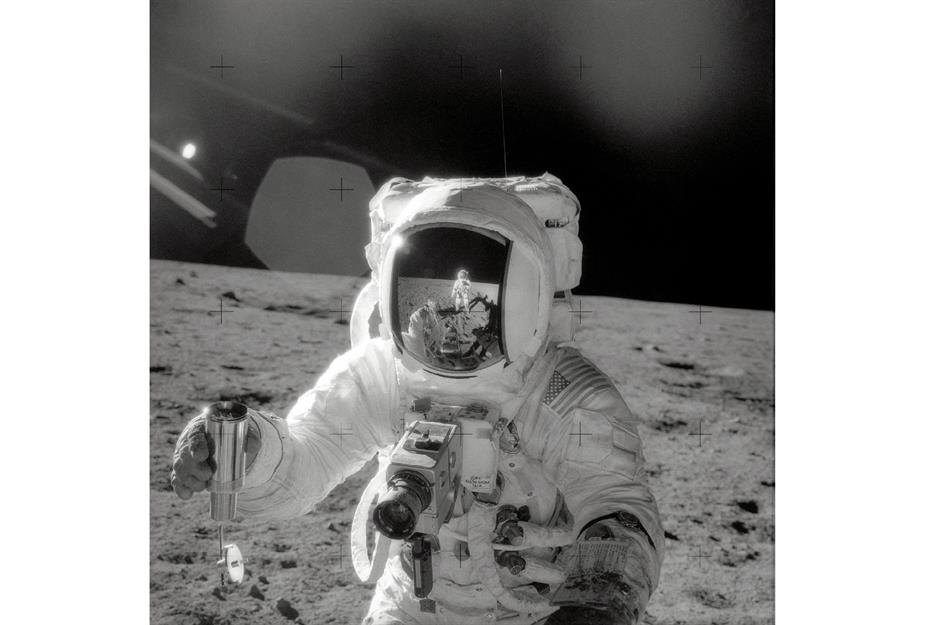
Astronaut samples lunar soil from the moon
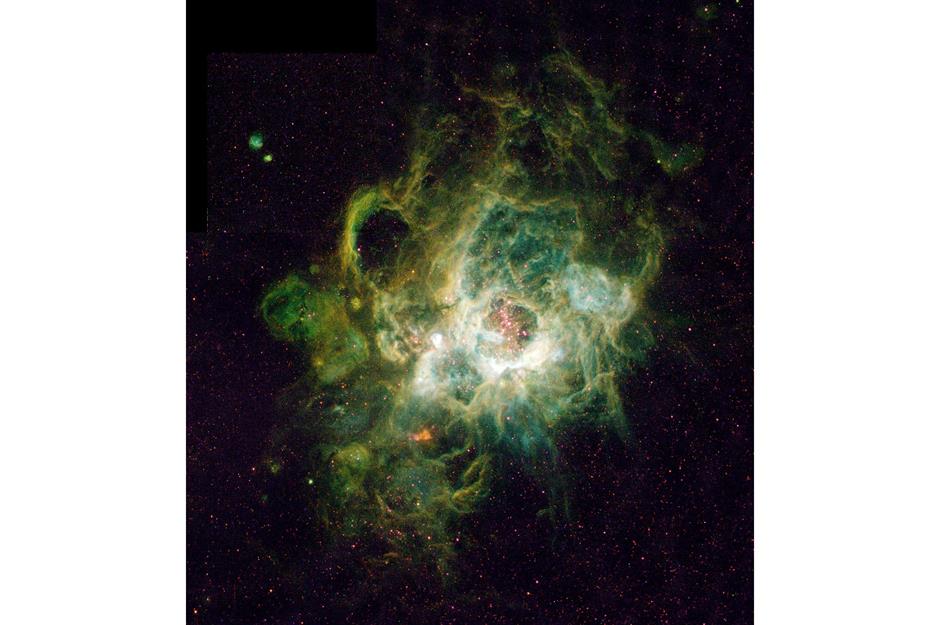
Where stars are born
Sponsored Content
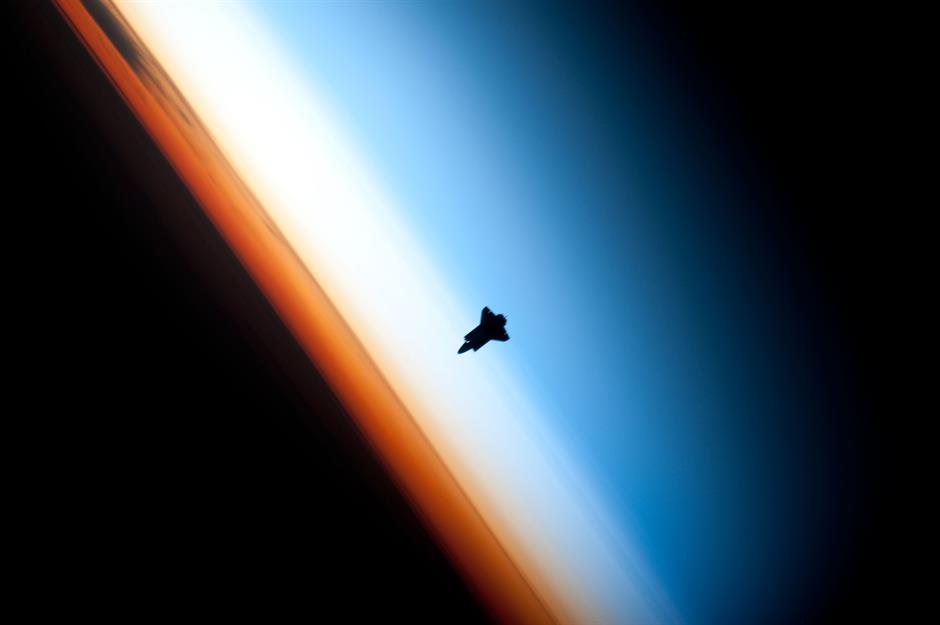
Space shuttle Endeavour suspended in the sky
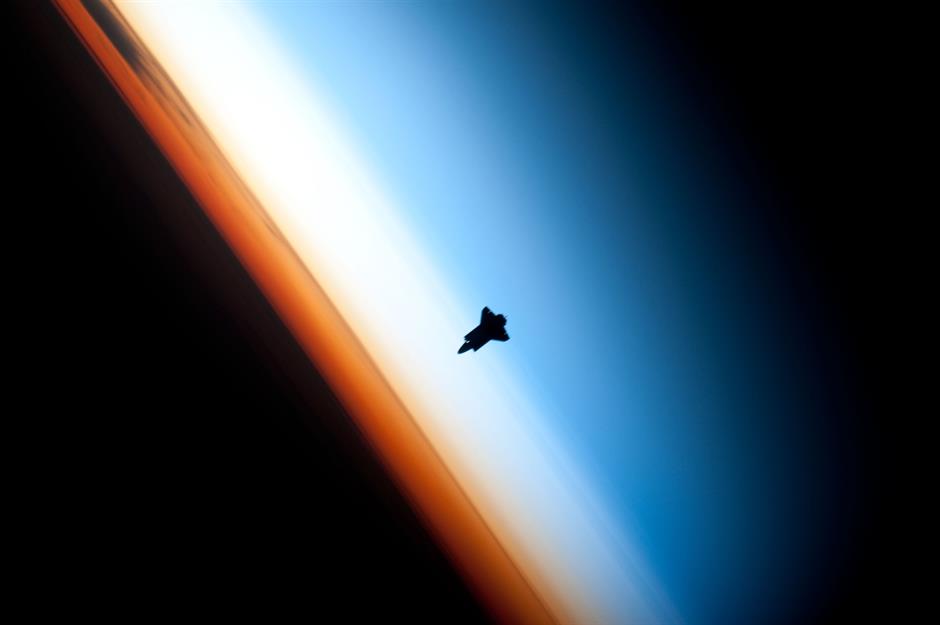
International Space Station
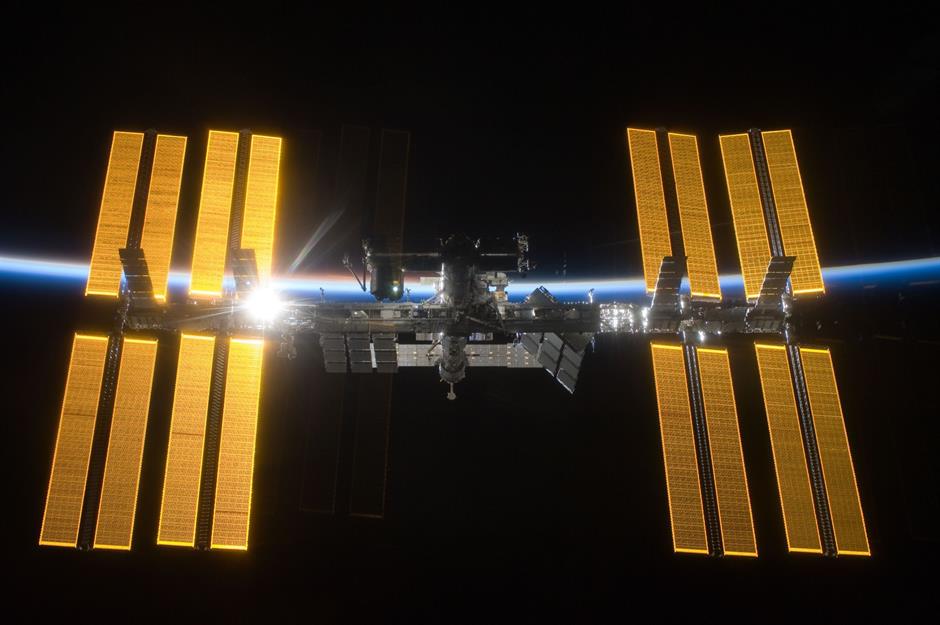
Set against the bold black backdrop of deep space and the thin line of Earth’s colourful atmosphere, the Apollo 17 crew captured this beautiful shot of the International Space Station from the Space Shuttle Discovery.
Comments
Be the first to comment
Do you want to comment on this article? You need to be signed in for this feature