15 of the best houseplants for every home
Fuss-free indoor foliage
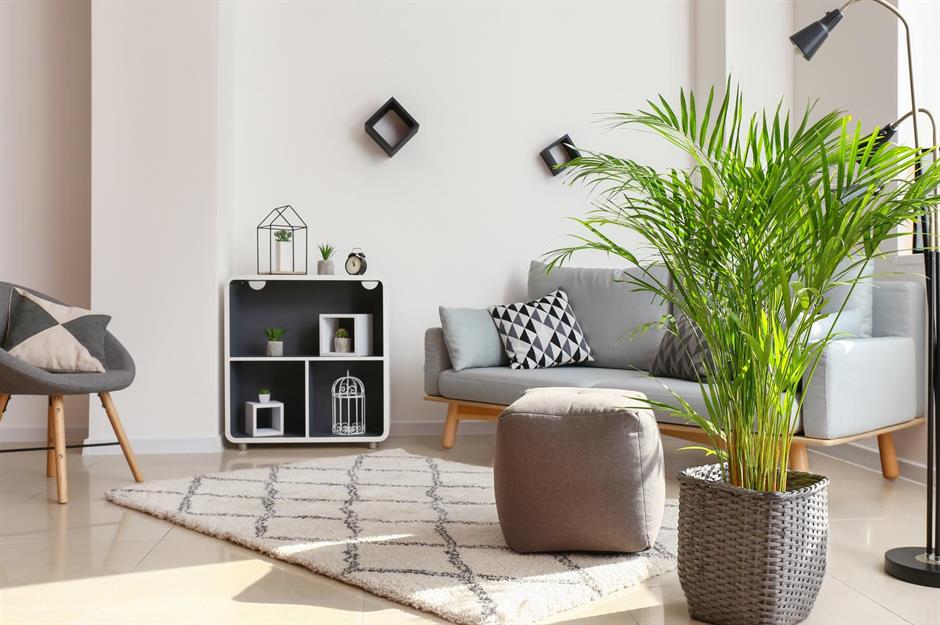
Craving greenery but lack the gift of the green thumb? No matter! These 15 easy-to-care-for houseplants are seriously low-maintenance and pack a big style punch. From simple succulents to the gorgeous trailing string of hearts, these hardy indoor varieties will purify the air and add a little life to your home. Click or scroll through...
Chinese money plant (Pilea Peperomioides)
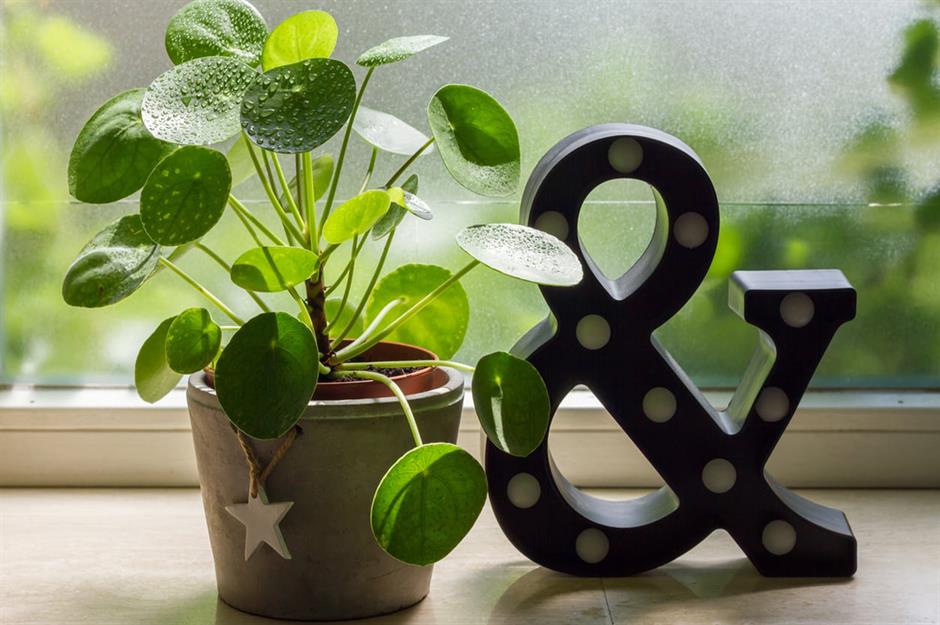
Where to put a Chinese money plant
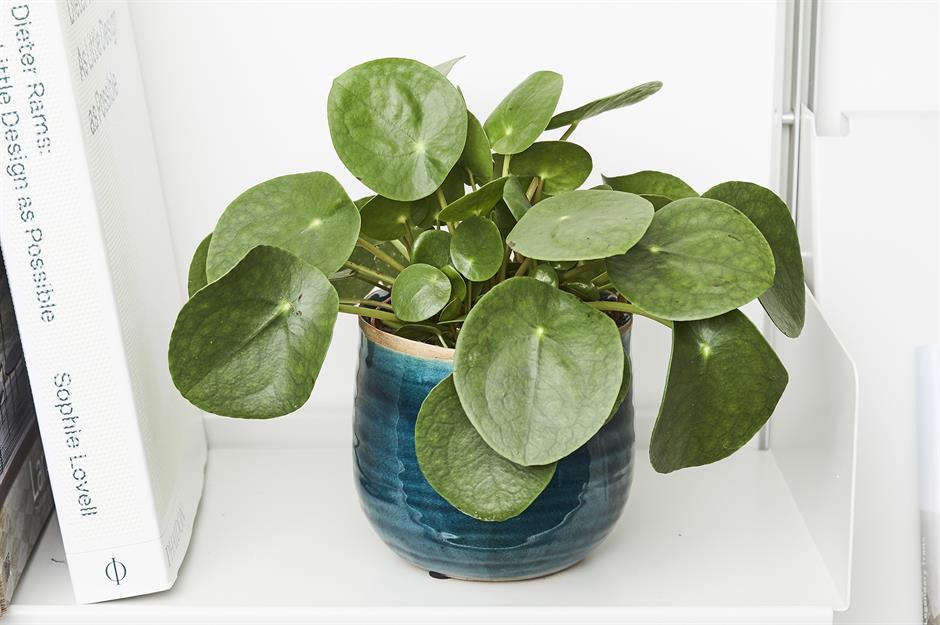
The Chinese money plant likes bright but indirect light (full sun will make the stalks grow leggy and all the leaves face in one direction) and it only needs to be sporadically watered in the summer. Turn the pot occasionally to even out the growth and once fully established, don’t be afraid to take cuttings and propagate as it’s a relatively fast grower.
Sponsored Content
Heart-leaf (Philodendron Scandens)
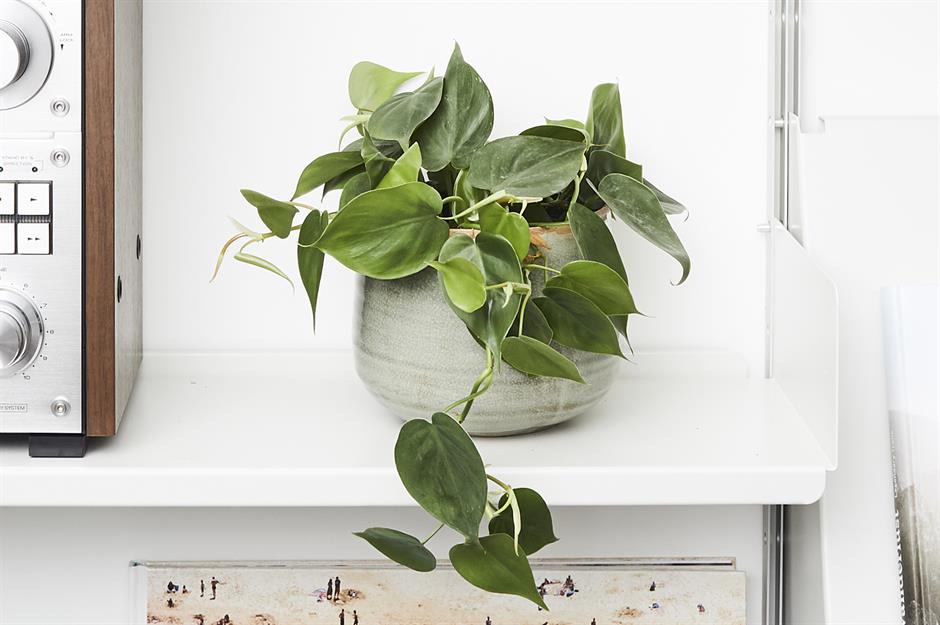
Also known as a sweetheart plant, heart-leaf is a wonderful indoor plant with lush green leaves and trailing vines. With a supporting moss pole to climb, this South American plant can grow up to 1.5 metres tall or you can let the foliage hang down from a suspended planter to get a wonderful, jungle-like effect. If you’re a forgetful plant owner, this plant might be for you as it prefers irregular watering. Allow the top inch of soil to dry out between drinks and watch out for leggy stalks and small leaves, which means it’s not getting enough light.
Where to put a heart-leaf
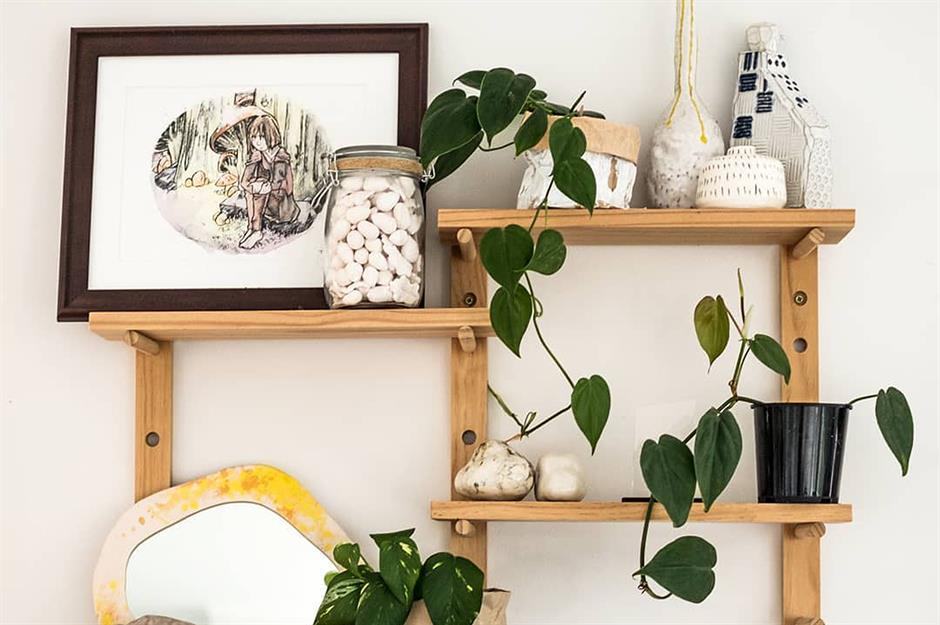
Heart-leafs like bright, indirect light and warm, humid conditions. A spot near a window (not the windowsill) or on top of the kitchen cupboards will give this plant the right amount of sunlight. Be aware that it can be poisonous to pets and children if eaten. If you’ve got little ones running around then put it somewhere high; the vines look fabulous trailing from a shelf or macramé hanger.
String of hearts (Ceropegia Woodii)
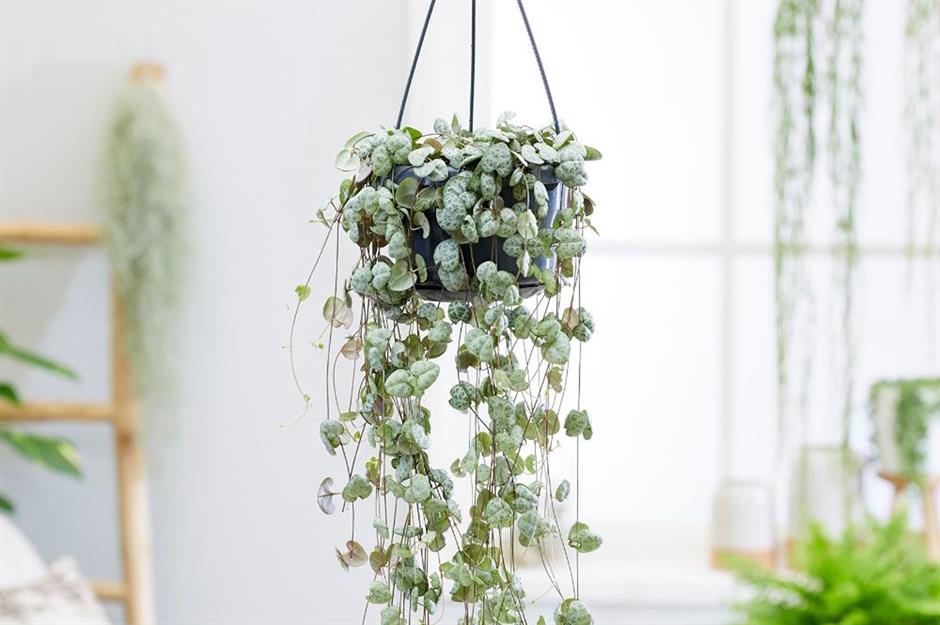
This adorable little plant has many names (chain of hearts, hearts on a string, rosary vine) and is much-loved for its delicate flowing stalks and pretty heart-shaped leaves that grow in pairs. While it’s not a true succulent, Ceropegia Woodii can store water in its stems and dislikes overwatering. Try growing it in cactus compost, sand or loam and feed with a liquid fertiliser every couple of weeks in warmer months.
Sponsored Content
Where to put a string of hearts plant
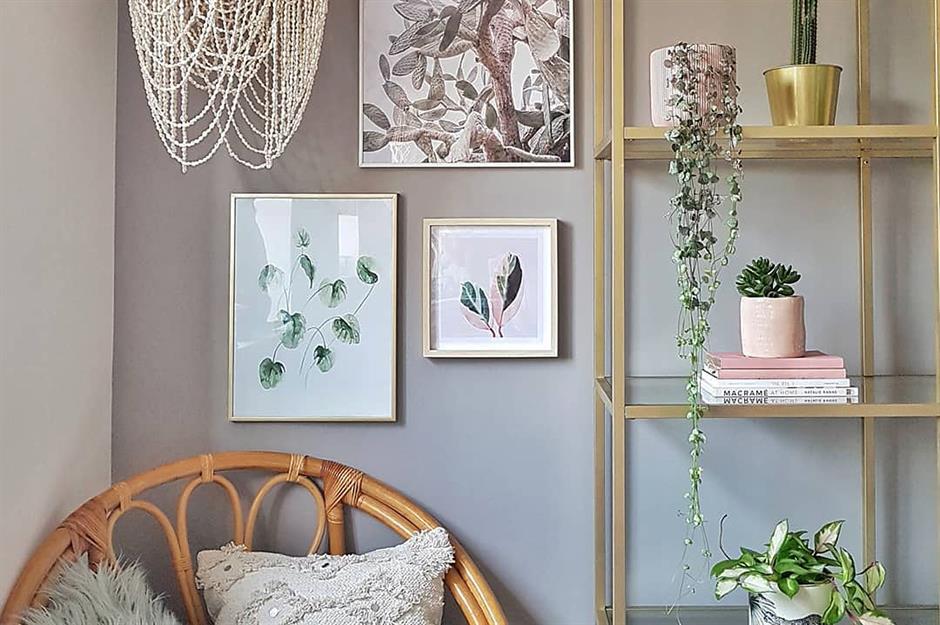
Perfect for hanging baskets, which allows you to see its purple underbelly, the string of hearts appreciates partial shade so a bookcase in the middle of a sunny room is ideal. Be gentle and patient at first as its delicate, lace-like structure is easily broken. Once established, you can quite freely take cuttings and grow your own personal jungle.
Snake plant (Sansevieria Trifasciata)
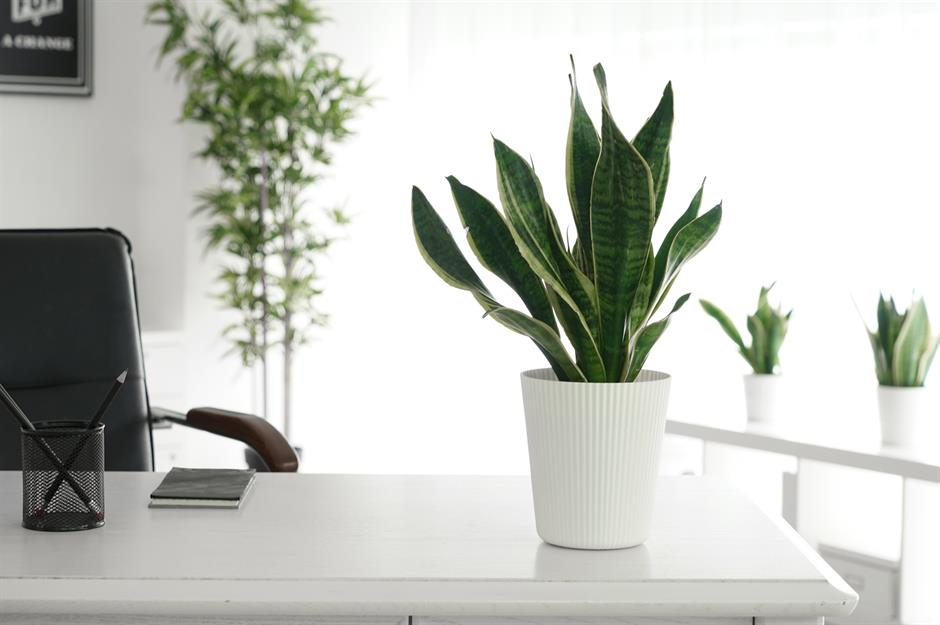
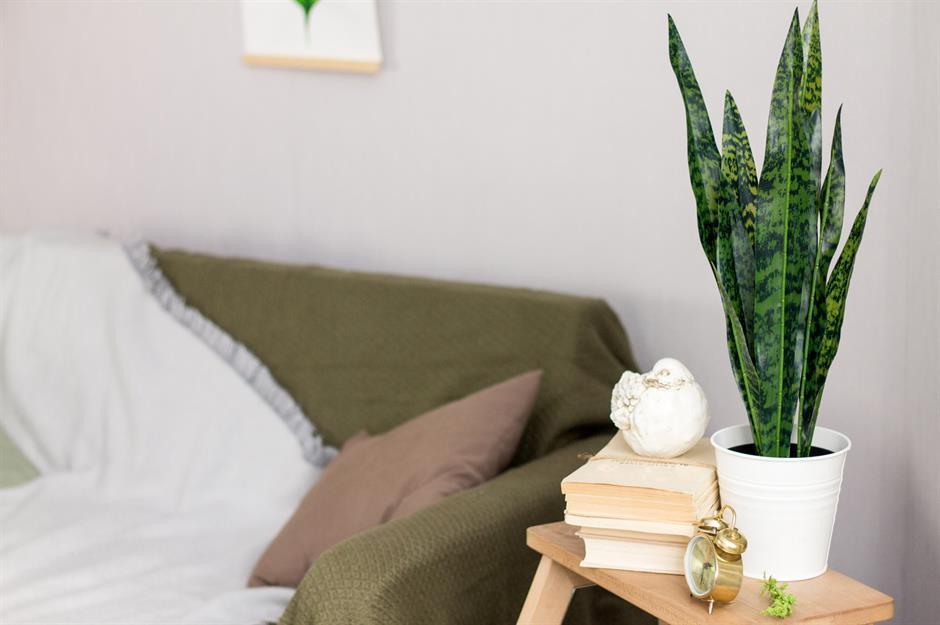
Also known as mother-in-law's tongue, the snake plant is a popular houseplant known for its tall, architectural structure and leaves that don’t droop or spread. It also boasts an unusually warm colouring of green and yellow. And with its high proportions, it’s the perfect plant for small spaces and tight corners that need a dash of greenery.
Where to put a snake plant
Sponsored Content
Peace lily (Spathiphyllum Lima)
Where to put a peace lily
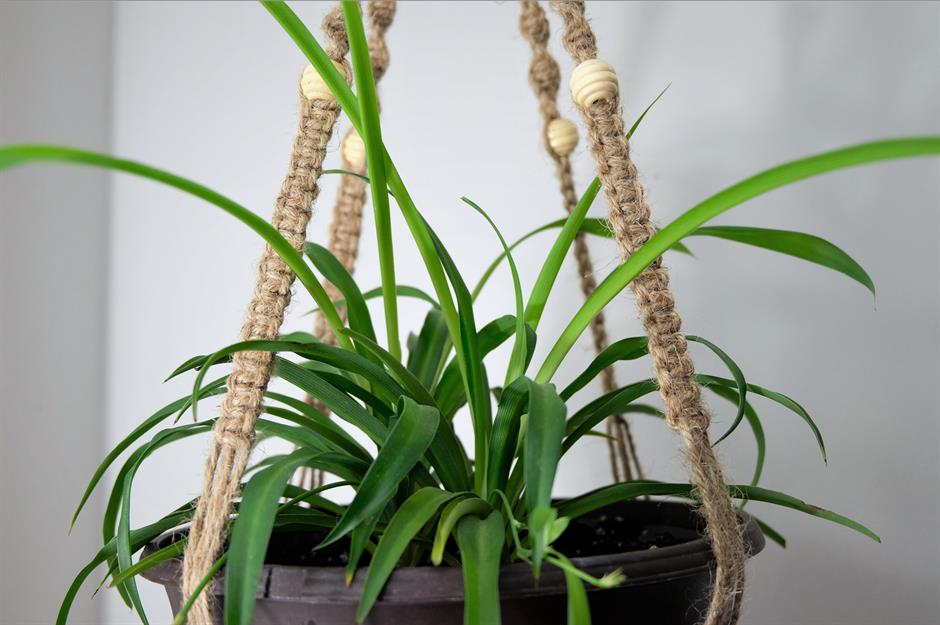
Spider plant (Chlorophytum Comosum)
Sponsored Content
Where to put a spider plant
Aloe vera (Aloe Barbadensis)
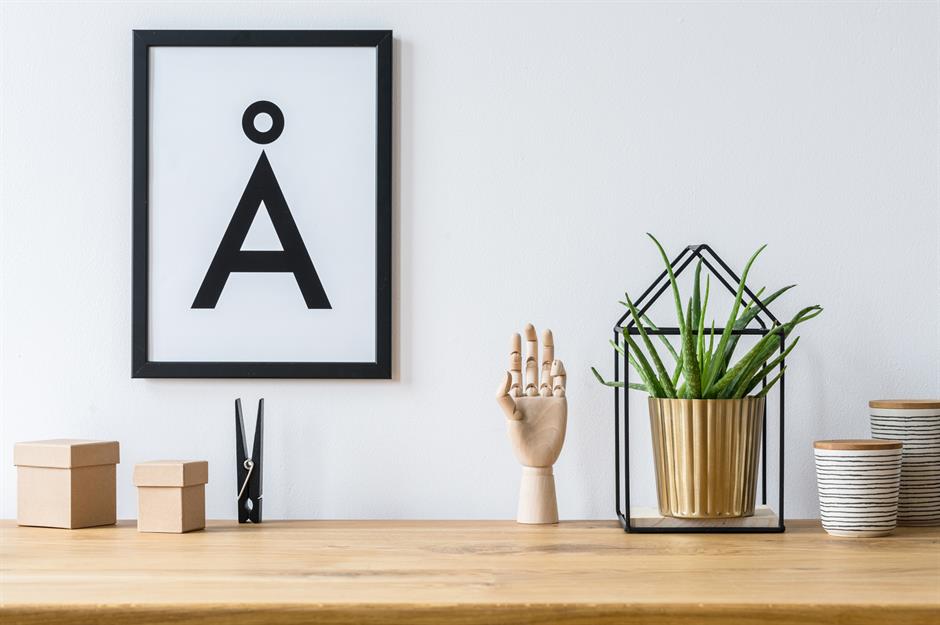
Where to put an aloe vera plant
First and foremost, aloe vera likes it dry. Pop it in a sunny spot where it can get some sunlight every day; this isn't one for a shady nook. Keep a plant on your kitchen windowsill and you'll always have it on hand to fight sunburn and other maladies. Simply break off a leaf and carefully slice the gel from its skin. Keep it up high if you have pets, as it is toxic for cats and dogs.
Sponsored Content
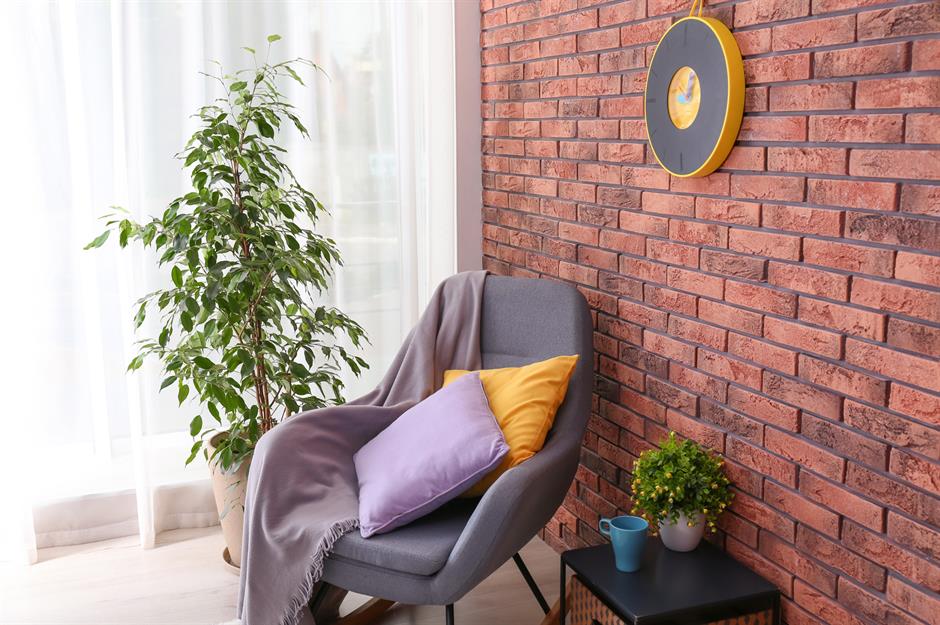
Weeping fig (Ficus Benjamina)
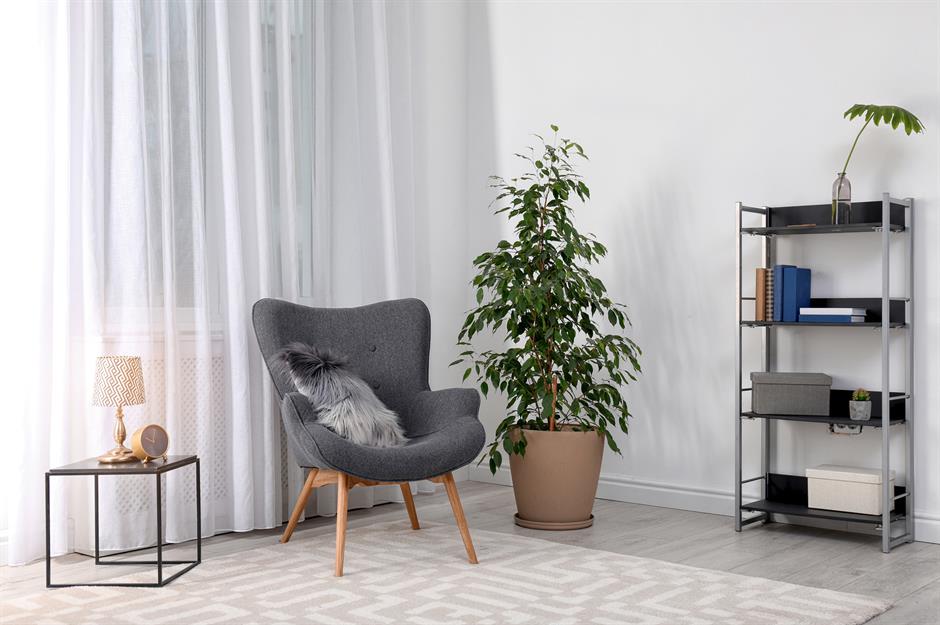
Where to put a weeping fig
Cactus (Cactaceae)
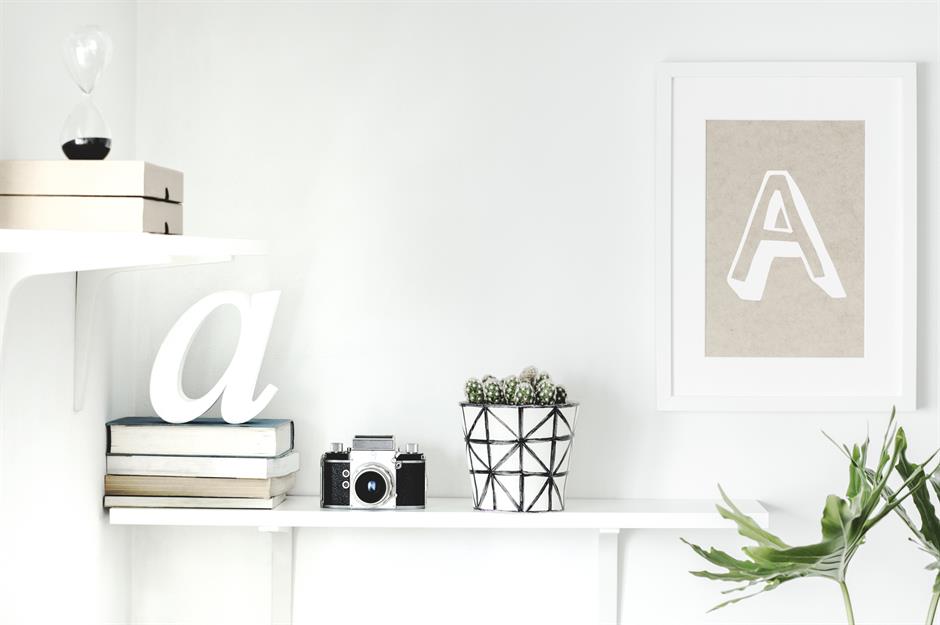
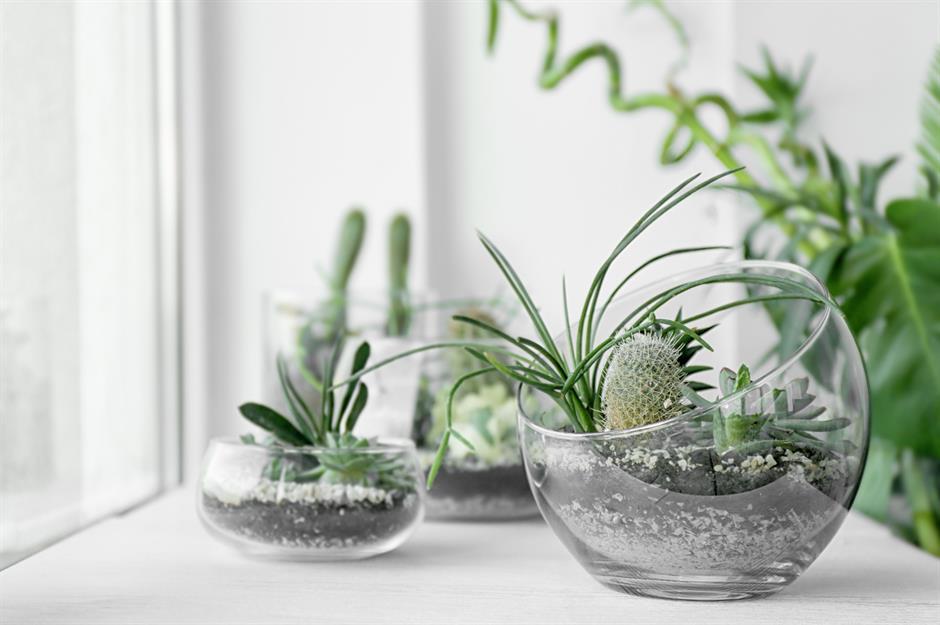
For a seriously hardy option, you can't beat a cactus. They're the perfect starter plants for novice gardeners as you can't really go wrong with them. Add a pop of green to your shelves in a patterned pot or get serious with an on-trend terrarium planter.
Sponsored Content
Where to put a cactus
Golden pothos (Epipremnum Aureum)
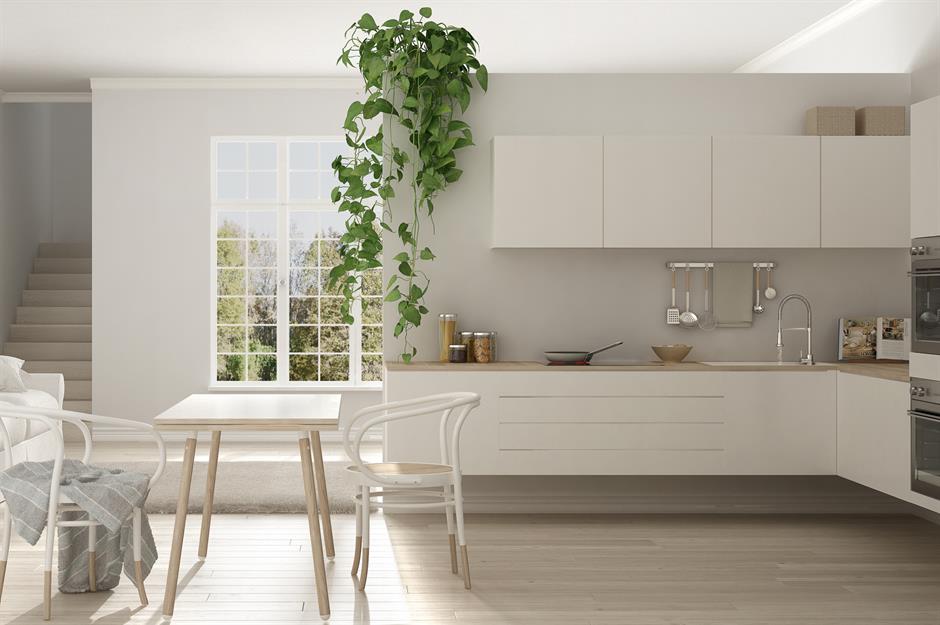
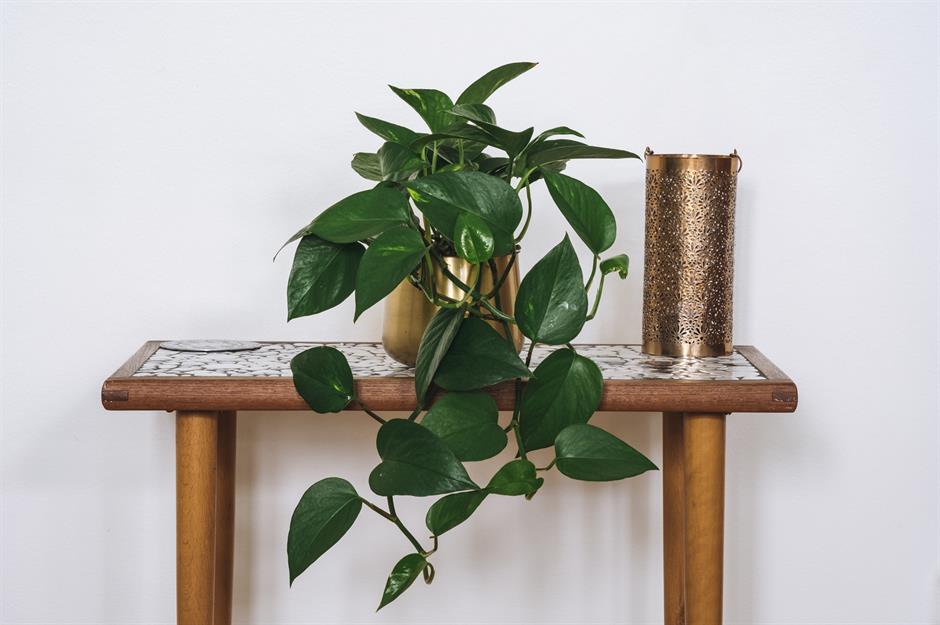
Where to put a golden pothos
Sponsored Content
Lavender (Lavandula)
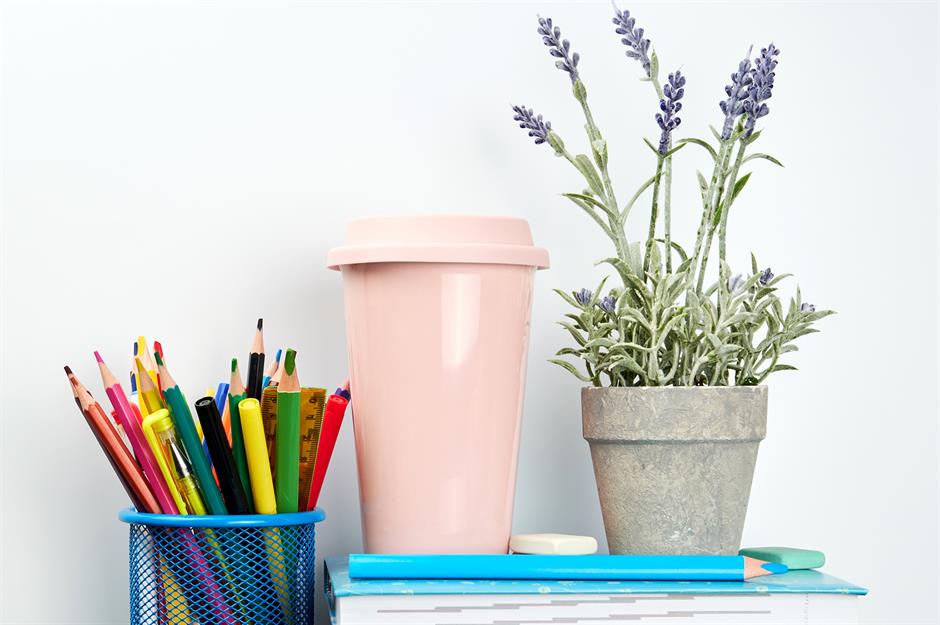
Where to put a lavender plant
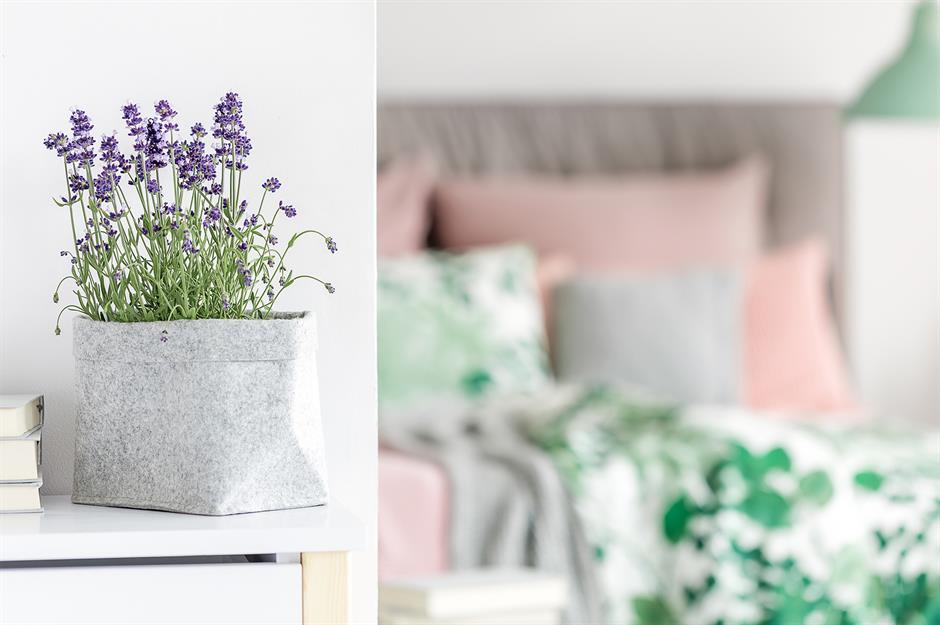
Keep a pot on the kitchen windowsill for adding to recipes, or place it by your bed to encourage a peaceful slumber – just make sure it's in a bright spot with lashings of natural sunlight. This plant needs as much daylight as it can get, as well as access to fresh air, so somewhere near a south-facing window would be ideal.
Areca palm (Dypsis lutescens)
Sponsored Content
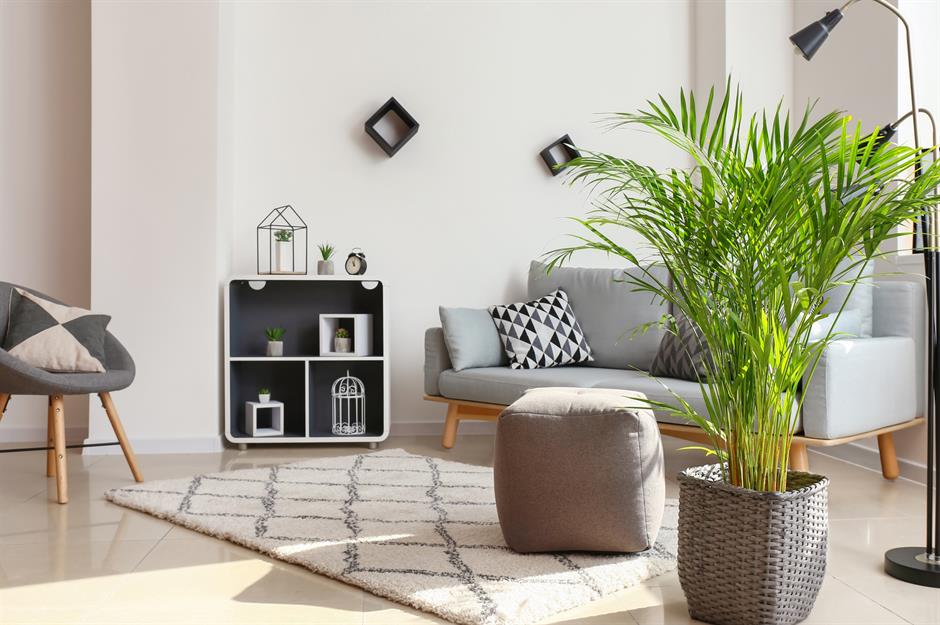
Where to put an areca palm
These plants love a brightly-lit spot but keep them away from draughts and heat sources like radiators. Add one to an office to liven up the working day or bring greenery to a lacklustre living room. While it’s hardy it can be a bit particular, preferring soft water like rainwater, which you can collect in your garden or balcony. Water regularly, allowing soil to dry slightly before re-watering.
Rubber fig (Ficus Elastica)
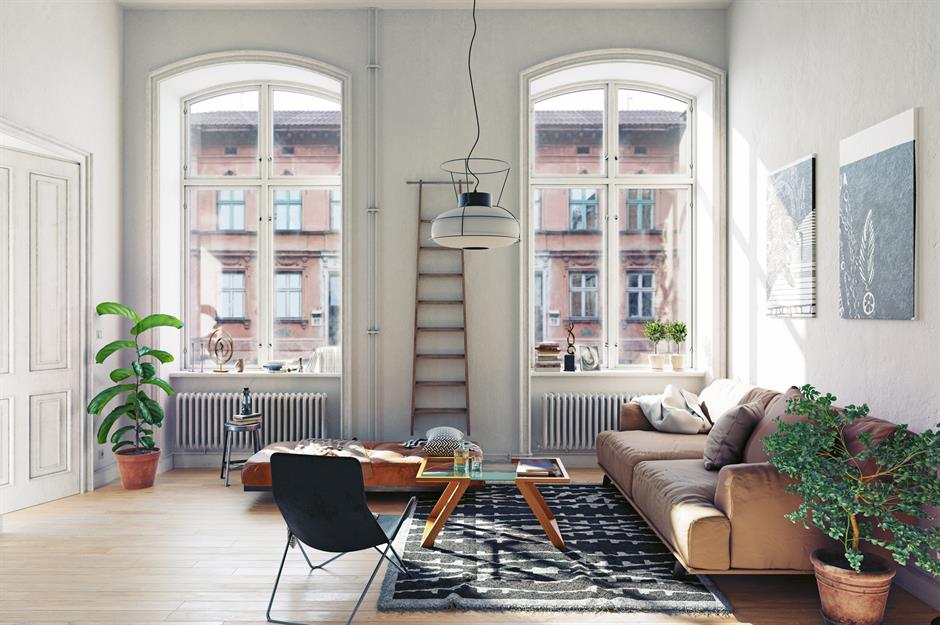
Where to put a rubber fig
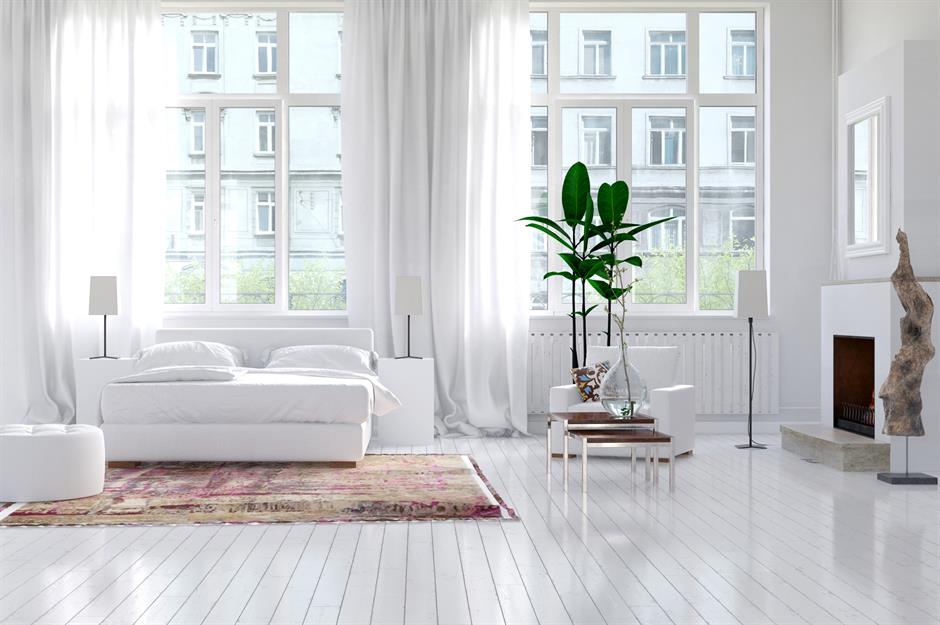
Sponsored Content
Succulents
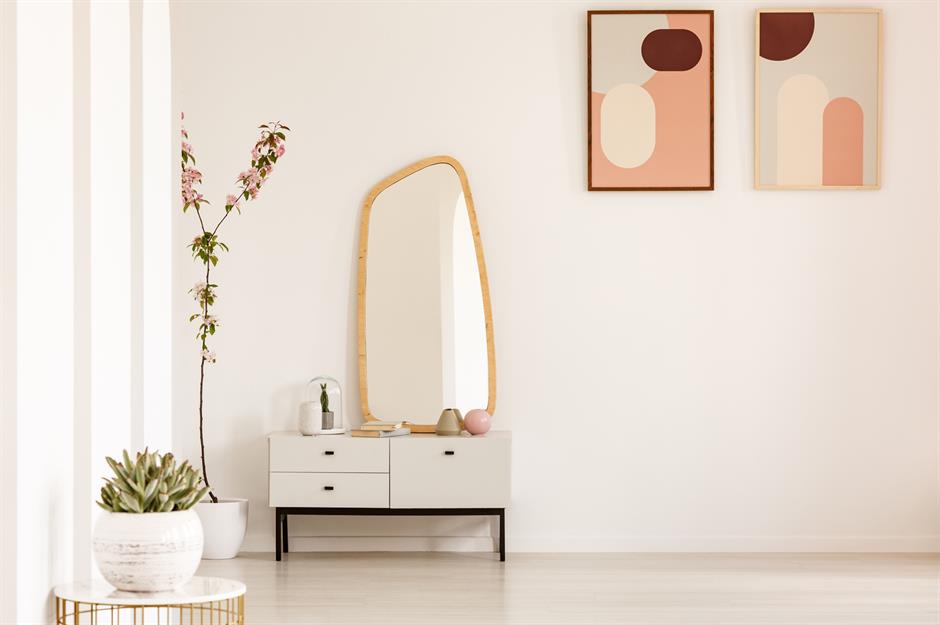
For a modern, low-maintenance plant look no further than succulents. Characterised by their thick, fleshy leaves, succulents are incredibly hardy and very easy to care for. If you don't like the look of cacti, but like their fuss-free attitude, try a succulent instead.
Where to put succulents
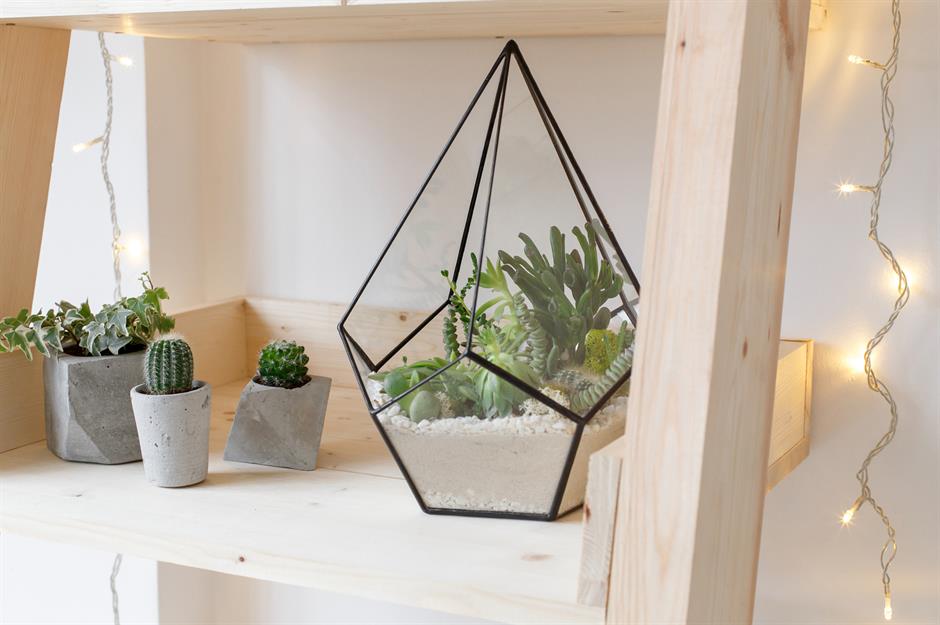
Air plant (Tillandsia)
Sponsored Content
Where to put an air plant
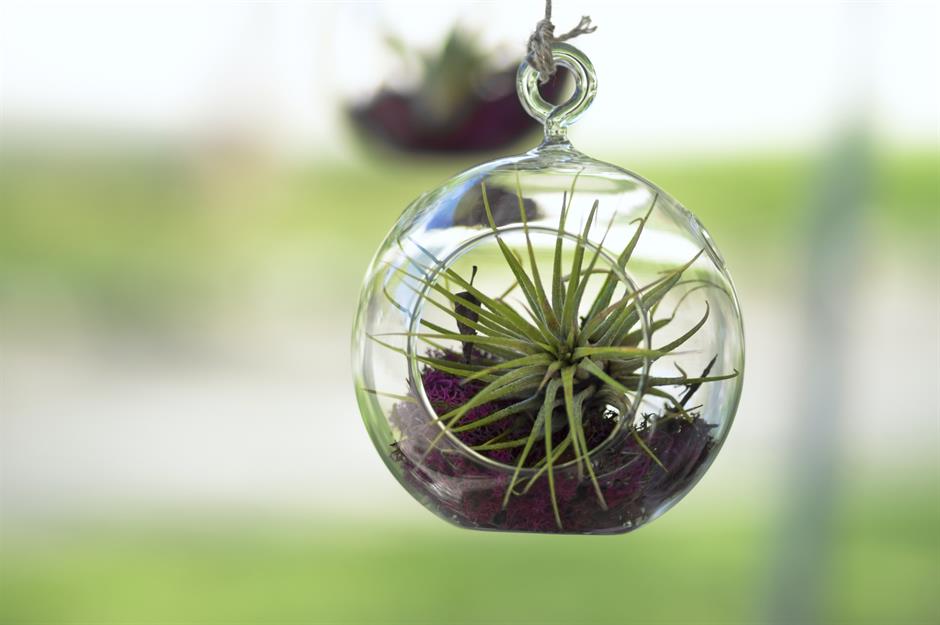
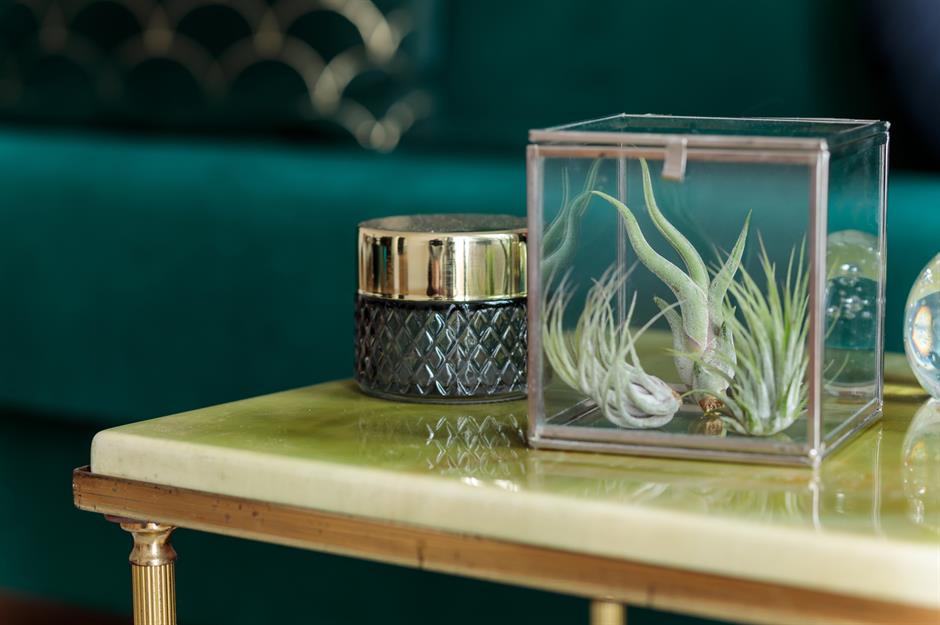
Air plants do best in humid environments, so pick a spot in your bathroom or kitchen to get the most out of them. While they don't need watering in the traditional sense, they do benefit from being dunked in soft rainwater weekly or misted every few days – just allow them to dry off before adding more water.
Love this? Check out these 12 ways to spruce up your garden for spring
Comments
Be the first to comment
Do you want to comment on this article? You need to be signed in for this feature