They struck gold by accident. Then they made a fortune
Unsuspecting people who struck gold
Gold hunting often conjures up images of adventurers sifting through gold pans or seeking huge gold nuggets in far-flung locations. But sometimes gold can be right under your nose – or, for one French couple, right in their back garden. Read on for some of the most unexpected and exciting gold discoveries of recent times.
Gold treasure found in a field, Thailand: value unknown

In 2014 the discovery of a gold cache in a field in Phatthalung, Thailand sparked a local gold rush. The treasures were unearthed when a farmer started digging up the ground to plant four palm oil trees, with the discoveries including gold sheets, ornaments and coins.
Because of the treasure laws in Thailand, successful treasure hunters could decide whether to hand over their gold to the Fine Arts Department, which later took control of the field and said the gold sheeting matched the precious metal used to cover Wat Phra Mahathat Woramahawihan (pictured), a Buddhist temple. Although the total value of the hoard hasn't been revealed, one treasure-seeker said he sold a 5x5cm gold sheet for more than 40,000 baht ($1.2k).
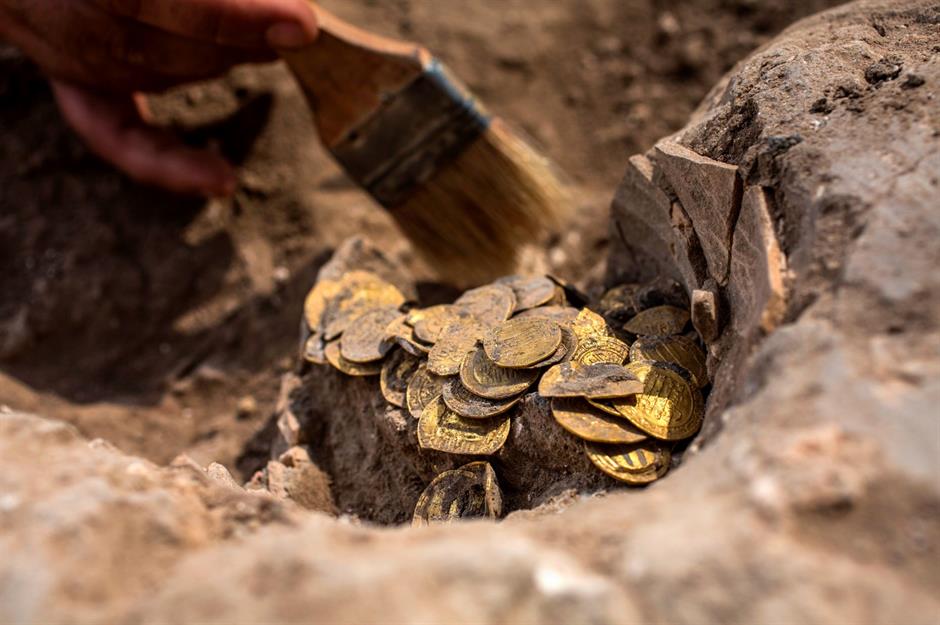
1,100-year-old gold coins, Israel: value unknown
Sponsored Content
Gold coins found in a pub, Ireland: value unknown
A trip to the pub usually ends with less change in your pocket. But it was a different story for five Irish builders when they were doing some groundworks at Cooney's Bar in Carrick-on-Suir in Tipperary, Ireland in 2013. The team of builders found 81 gold coins when working on the foundations. Initially one of the builders, Shane Comerford, dismissed the 17th-century coins as worthless and threw a fistful to the ground when the find disturbed their work on the pub. But once they wiped away the clay covering the coins the builders started to realize that they had found something special.
Gold coins found in a pub, Ireland: value unknown
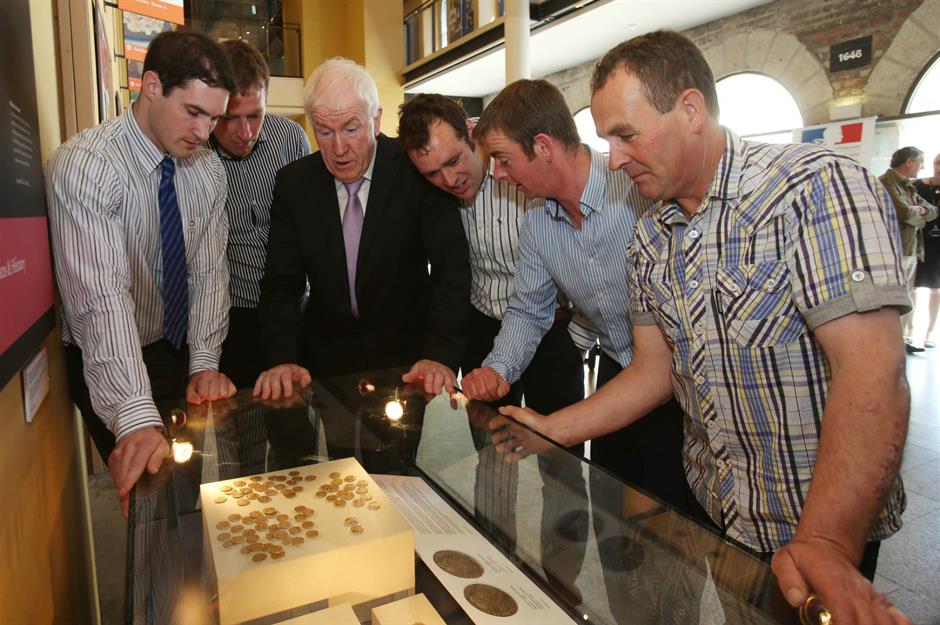
In fact they had found a hoard of 17th-century gold guineas and half guineas under the pub's floorboards. The coins are now on display at The National Museum of Ireland in Dublin. The finder's reward for locating the gold coins has not been disclosed, but it should be enough to buy the five unlikely treasure finders a few pints.
The Folkestone Dig, UK: $13,300
Sponsored Content
The Folkestone Dig, UK: $13,300
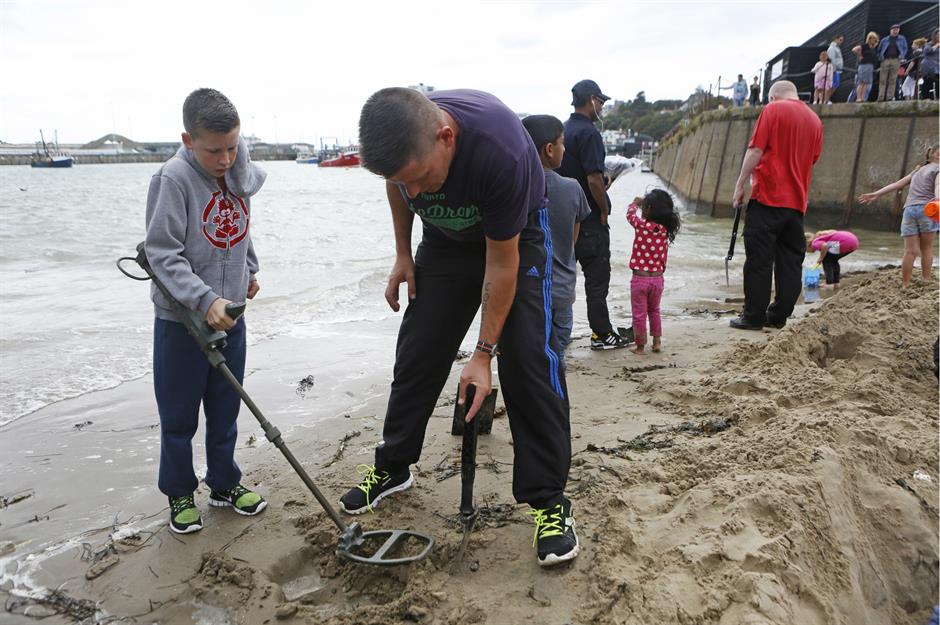
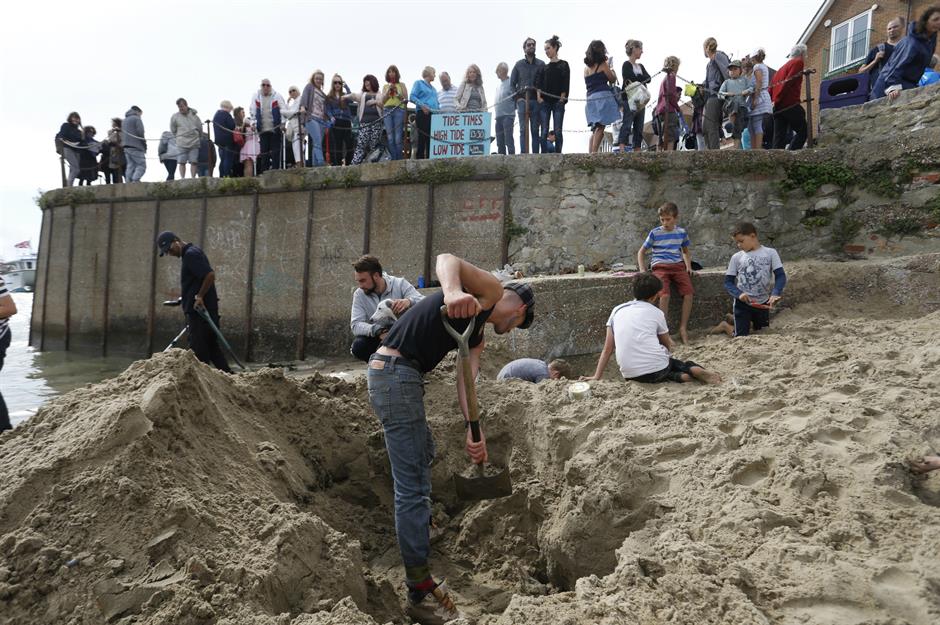
Armed with metal detectors and spades, around 500 enthusiastic members of the public flocked to the beach to try to find the bars, which were only a few inches long and valued at around $399 each. The 'Folkestone Dig' officially ran from 30 August to 2 November 2014. However, not everybody who struck gold came forward to publicize their find. That means it's impossible to know whether all of the bars have been discovered and there could still be buried treasure out on the beach to this day.
600 gold Belgian coins, France: $111,000
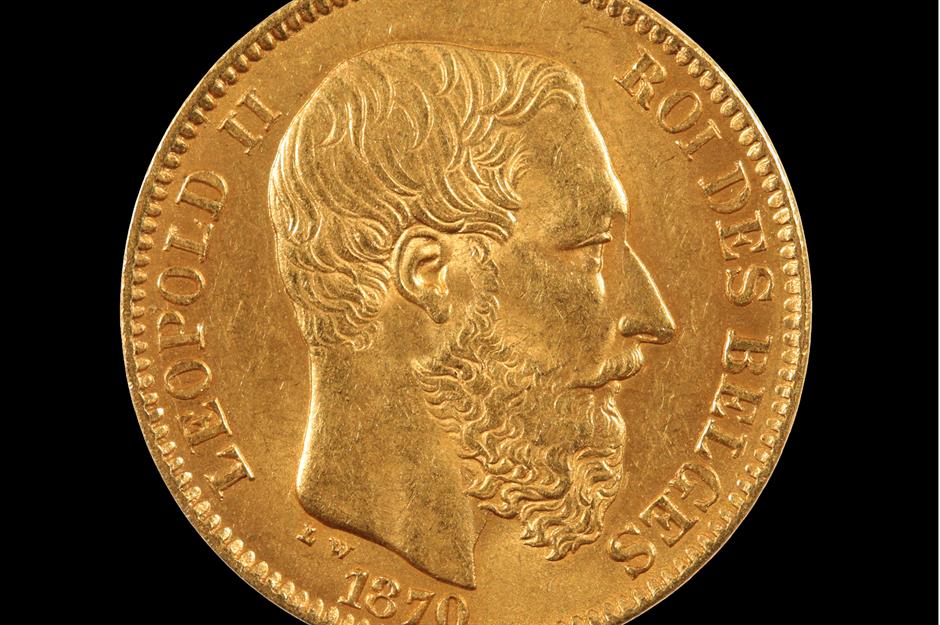
In June 2018 demolition workers in Brittany, France found a mysterious box at a house they were about to demolish. Inside were 600 gold Belgian coins dating from 1870 and stamped with the effigy of King Leopold II. The find was worth $111,000 and the proceeds were shared equally between the builders and the owners of the house.
South African gold coins, UK: up to $133,000
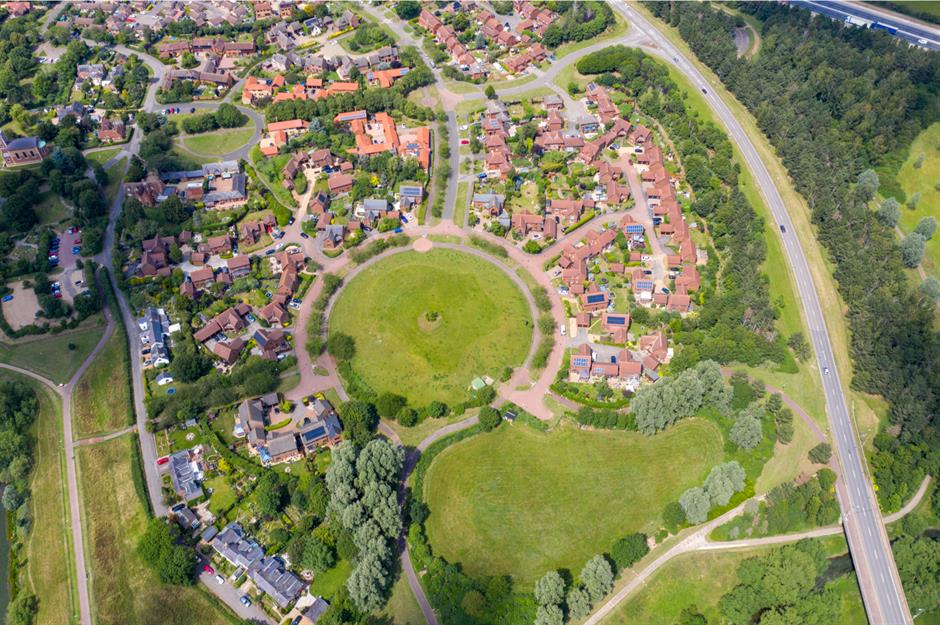
The English town of Milton Keynes isn't the first place you'd expect to find South African money. But during lockdown in 2020 one Milton Keynes resident struck gold when they discovered 50 gold coins from apartheid-era South Africa buried in their garden.
Sponsored Content
South African gold coins, UK: up to $133,000
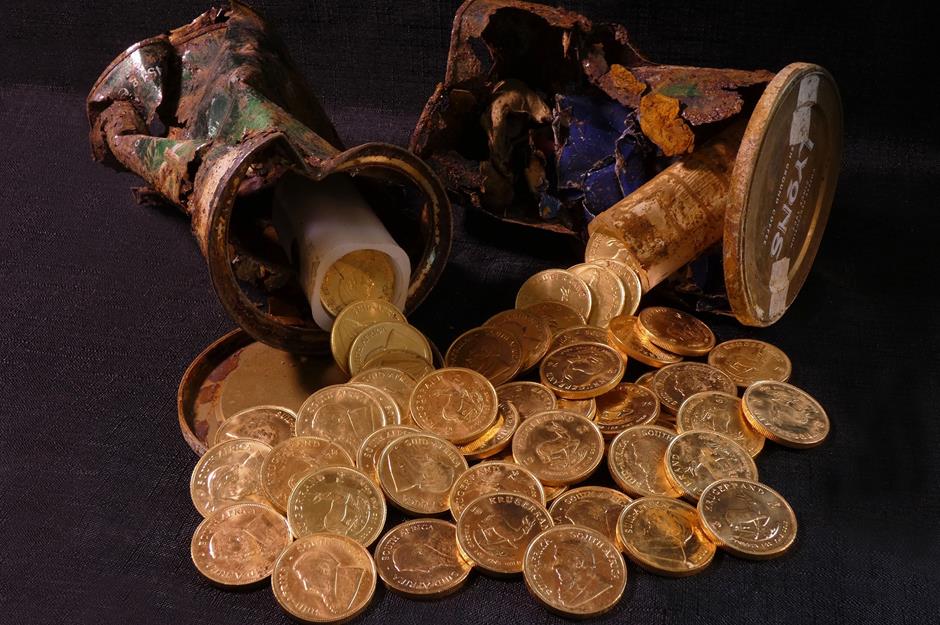
US gold coins in a London garden, UK: $154,000
US gold coins in a London garden, UK: $154,000
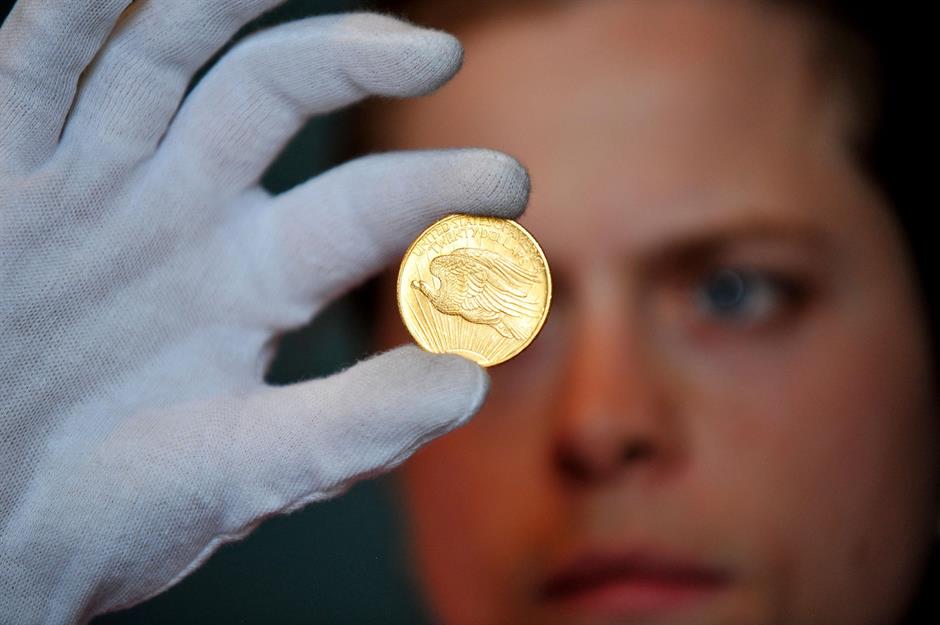
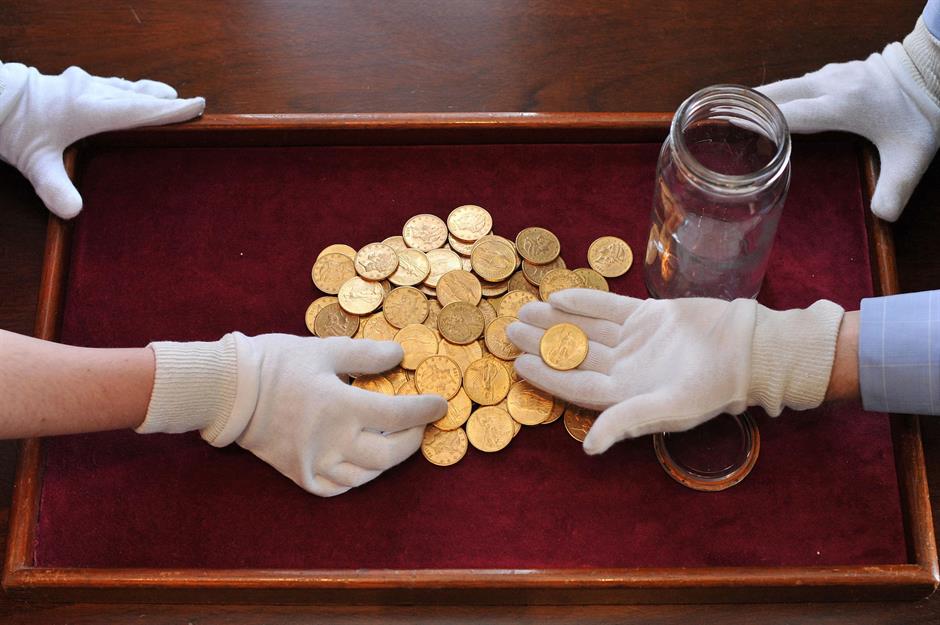
The incredible story goes like this: in 1940 a Jewish family fleeing the Nazis buried the coins in their London back garden, fearing a German invasion. Members of the family tragically died when the house was bombed in the Blitz, meaning the hiding place was lost for decades. After its discovery in 2007 the hoard was donated to the Museum of London which later found one of the owner's descendants, Max Sulzbacher. He permanently donated one of the coins to the Hackney Museum, while the rest of the hoard was sold at auction for a total of $154,000.
Sponsored Content
Gold bars in an airport bin, South Korea: $319,000

A cleaner at South Korea's Incheon International Airport made an unbelievable discovery during a shift in May 2018. When emptying a garbage bin the airport worker found seven gold bars worth around $319,000.
Gold bars in an airport bin, South Korea: $319,000
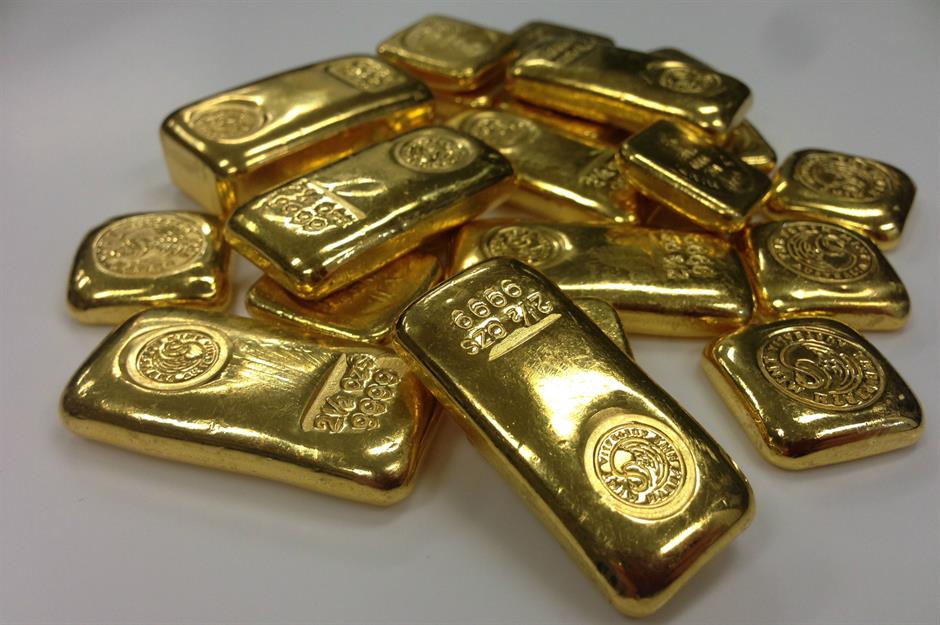
However, despite South Korea's 'Finders Keepers' law, which allows the finder to keep the trove if the owner doesn't come forward in six months, the cleaner was not allowed to claim the gold because he was on duty at the time. Therefore, the unnamed airport worker has missed out on the 5-20% of the gold's total price for which he would have been eligible. That would have been up to $64,000.
Crushed chalice in a potato field, UK: $333,000
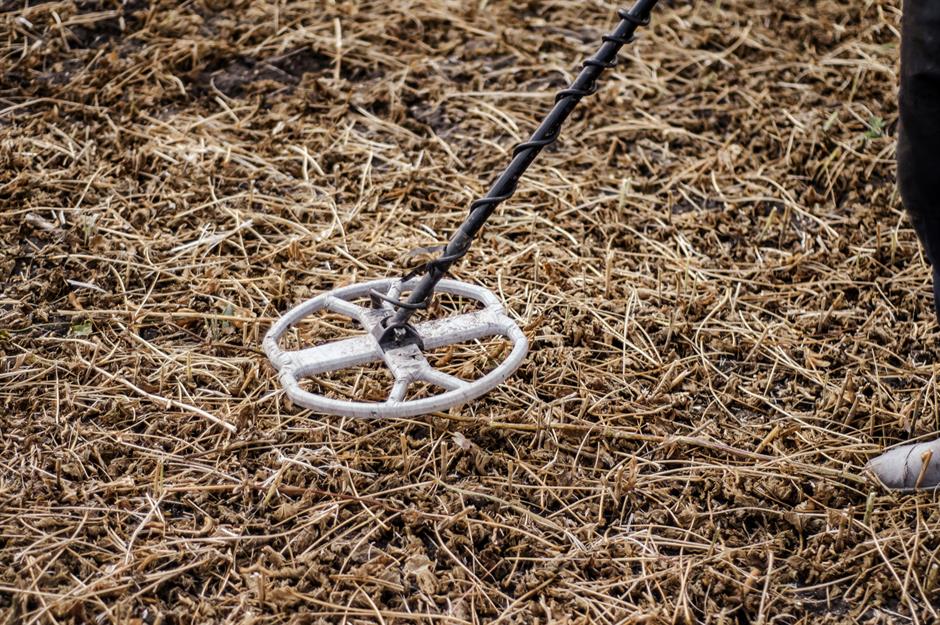
In November 2001 metal detectorist Cliff Bradshaw was in a potato field near Sandwich, England when his detector suddenly made a faint, high-pitched whine. The treasure hunter began to dig and only 18 inches below the surface he excavated an early Bronze Age artifact.
Sponsored Content
Crushed chalice in a potato field, UK: $333,000
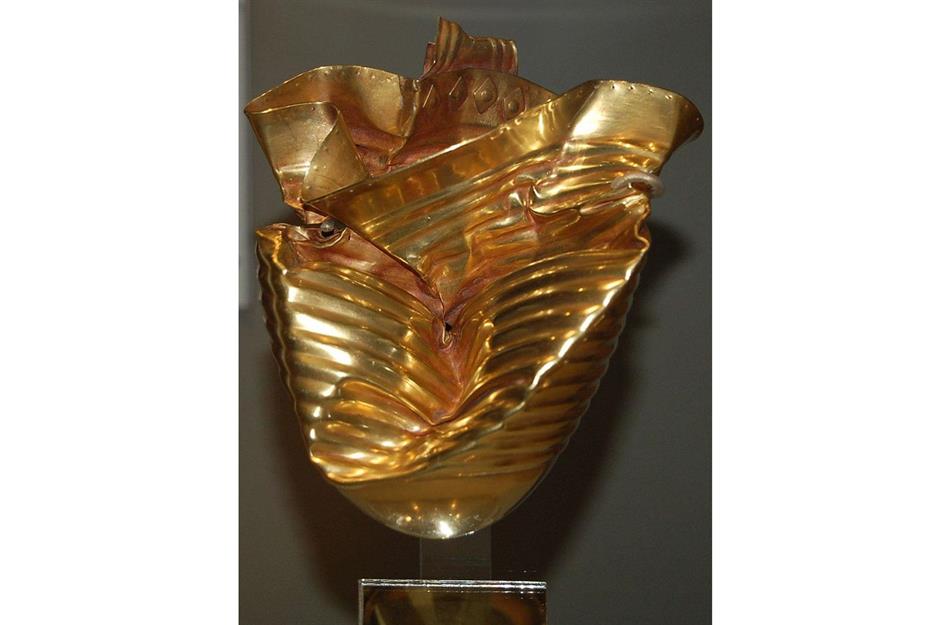
Bradshaw had stumbled upon a gold chalice dating from 1700-1500 BC, which had possibly been used by a priest-ruler for spiritual purposes. Now known as the Ringlemere cup, it was snapped up by the British Museum for $333,000, with the lucky finder and the landowner splitting the cash.
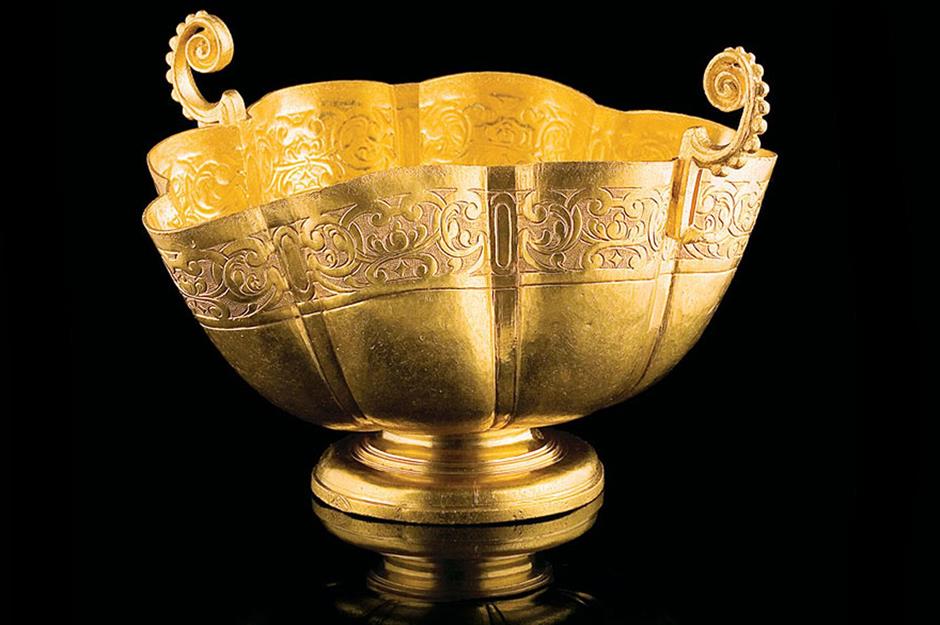
Gold chalice from a lost Spanish galleon, USA: $413,000
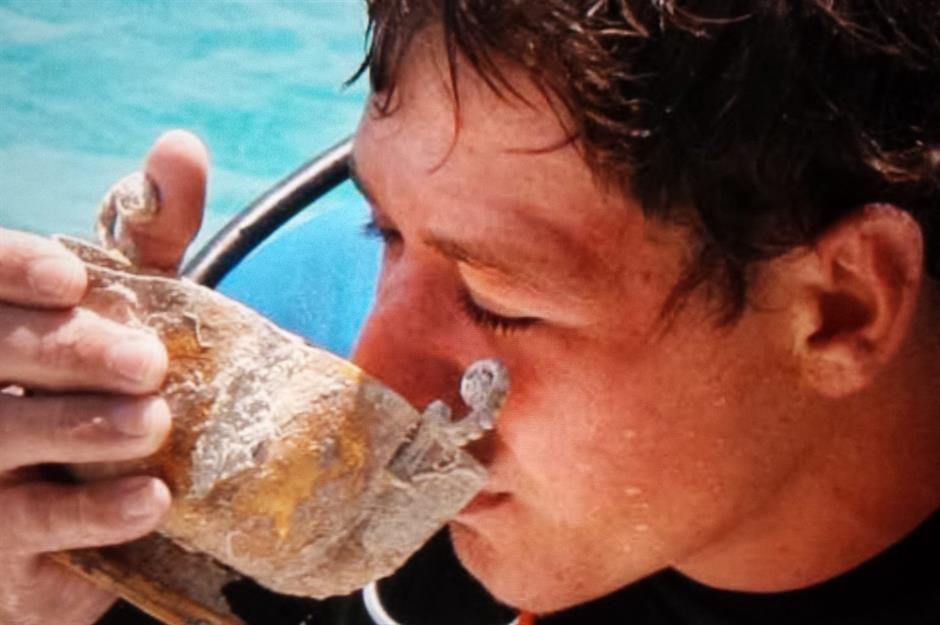
When diver Michael DeMar's metal detector beeped during a dive off Florida's Key West in September 2008, he thought he'd probably just come across a discarded beer can. In fact he'd discovered a rare gold chalice worth hundreds of thousands of dollars.
Gold chalice from a lost Spanish galleon, USA: $413,000
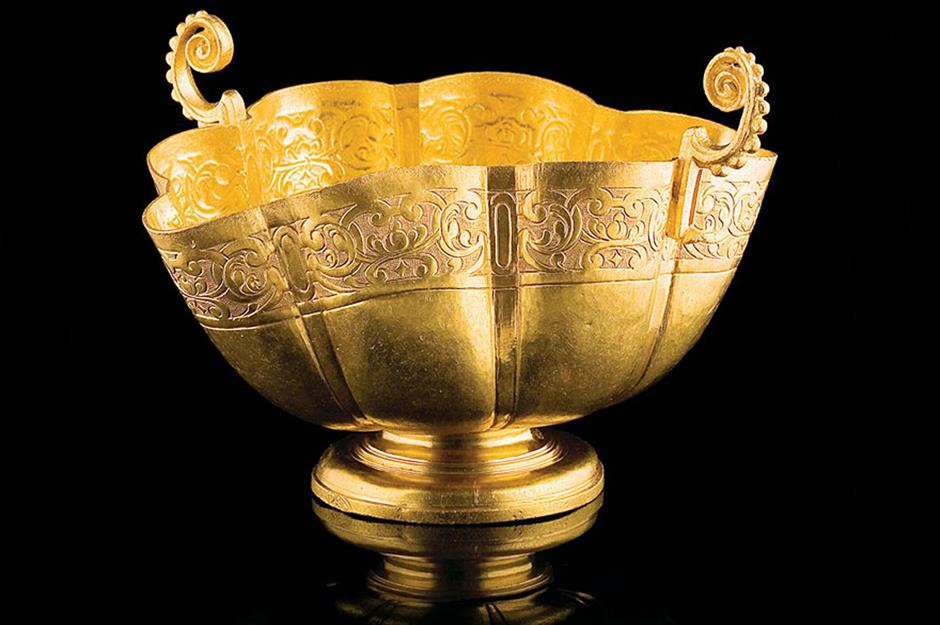
Hidden beneath about a foot of sand in 18 feet of water, the cup had been lost for centuries. It's believed to have been one of the treasures on board the Spanish galleon Santa Margarita, which was hit by a storm and sunk in 1622. The ornate two-handled chalice was sold at auction in 2015 fetching $413,000.
Sponsored Content
Oldest Iron Age gold, UK: $433,000

Oldest Iron Age gold, UK: $433,000
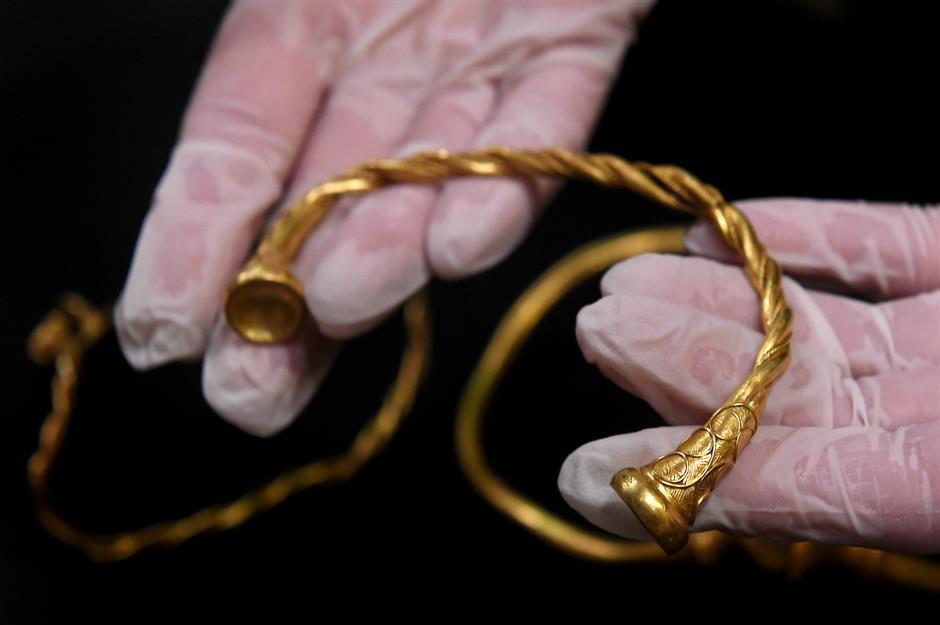
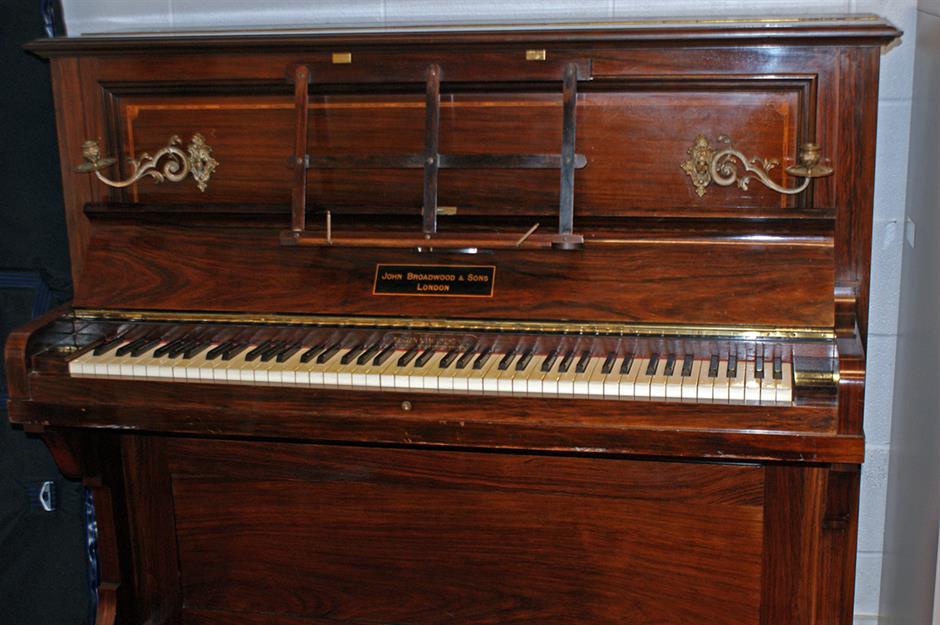
Gold hoard in a piano, UK: $665,000
Sponsored Content
Gold hoard in a piano, UK: $665,000
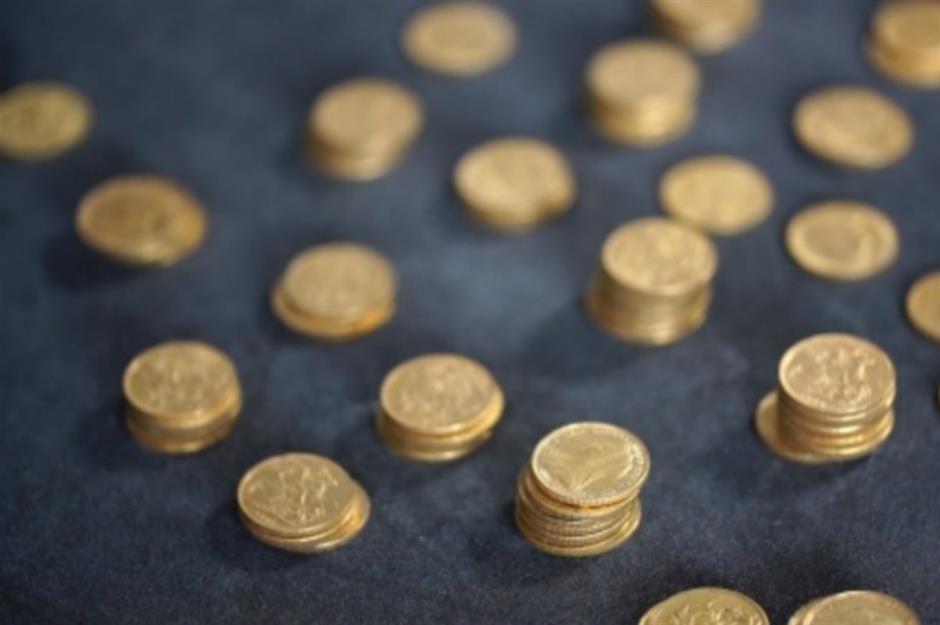
The piano hoard remains a mystery. It's still unknown who hid the coins, which date from 1847 to 1915, so carefully beneath the piano's keys – though they probably stashed them away to keep them safe during World War I. Prior to its donation, Graham and Meg Hemmings had owned the piano for 33 years while their children were learning to play and were completely unaware of the treasure that lay within. The hoard, valued at $665,000, has been sold and both the college and the piano tuner who found them got a reward.
Gold hoard in a piano, UK: $665,000

The piano's previous owners, the Hemmings (pictured), didn't see a penny from the coins' sale, but said they were "very happy" some of the money would go to the college.
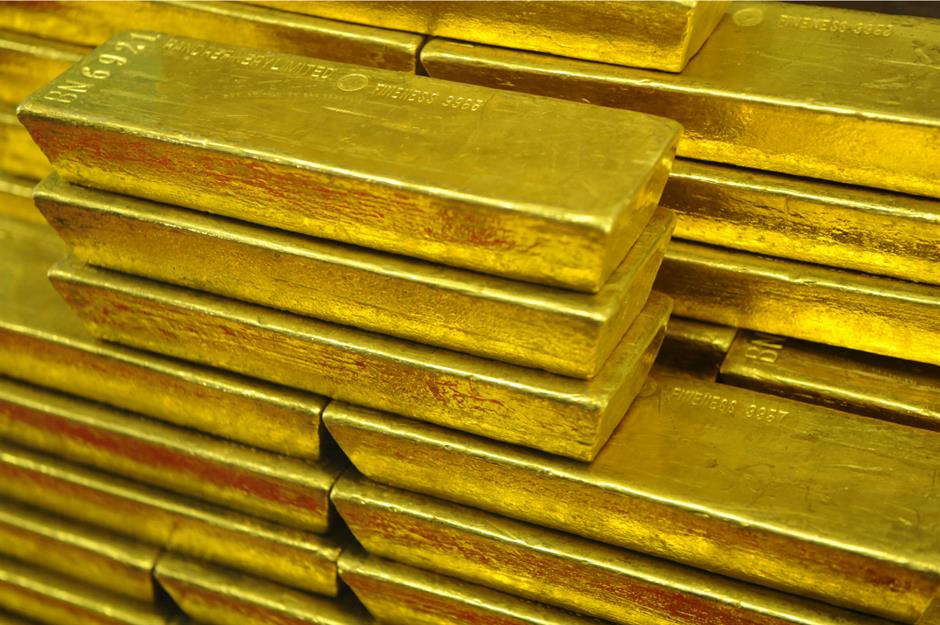
Gold bars in a back garden, France: $887,000

Sponsored Content
Gold bars in a back garden, France: $887,000
Gold bars in a tank, UK: $2.6 million
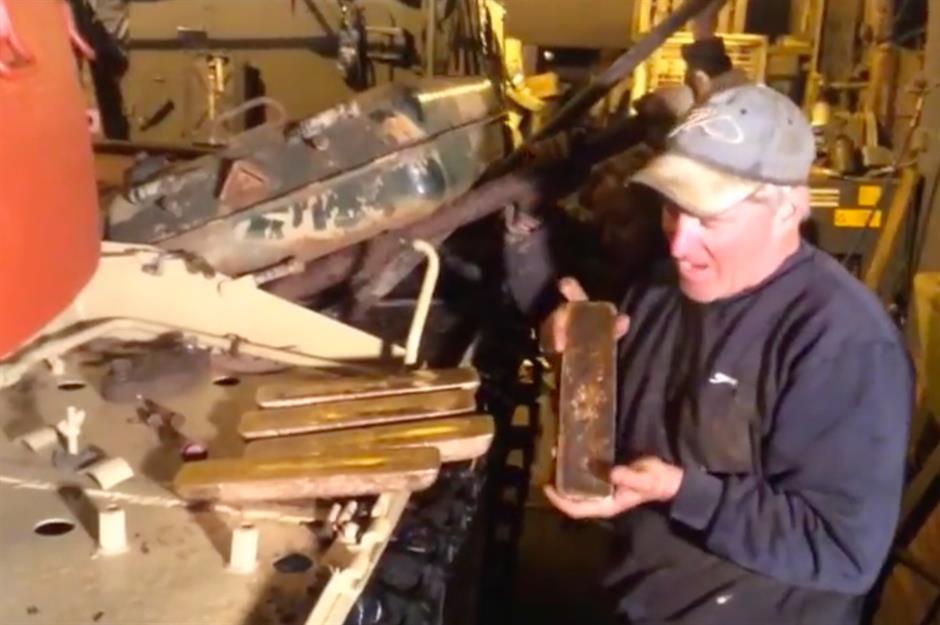
In April 2017 tank collector Nick Mead thought he had a good deal when he bought an old Soviet tank that had been used in Iraq for just $44,000. But when he opened the fuel compartment and found five gold bars, he knew he'd got a bargain.
Gold bars in a tank, UK: $2.6 million
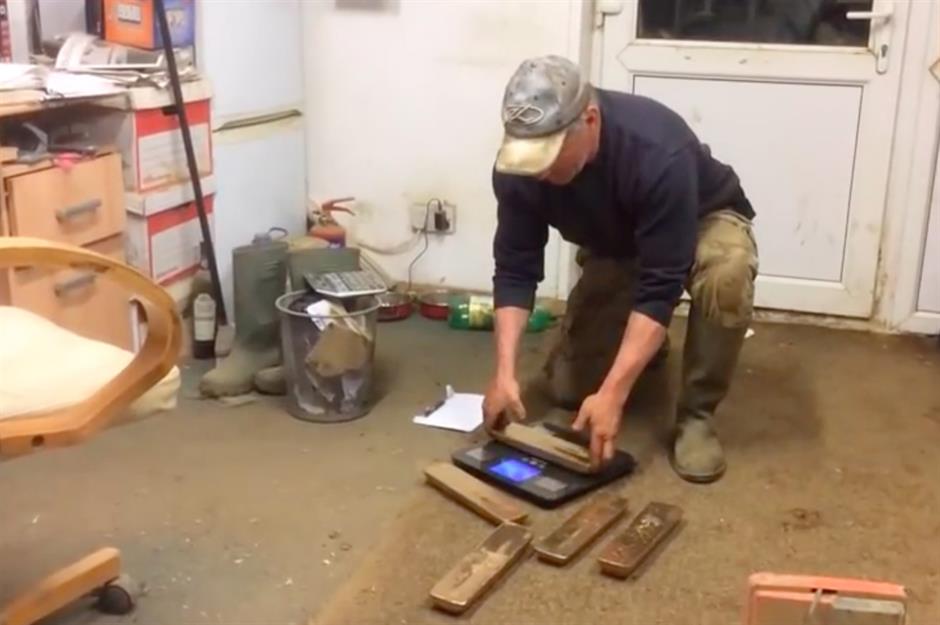
After weighing his finds he estimated the bars were worth around $2.6 million. The bullion was handed over to the police who attempted to track its origins, which could have been the result of looting in Kuwait by Iraqi officers during the 1990 invasion. As of 2022 the fate of the gold is apparently a mystery – although it has been rumored that the story behind its discovery could be turned into a film.
Sponsored Content
A home with hidden gold, France: $3.8 million
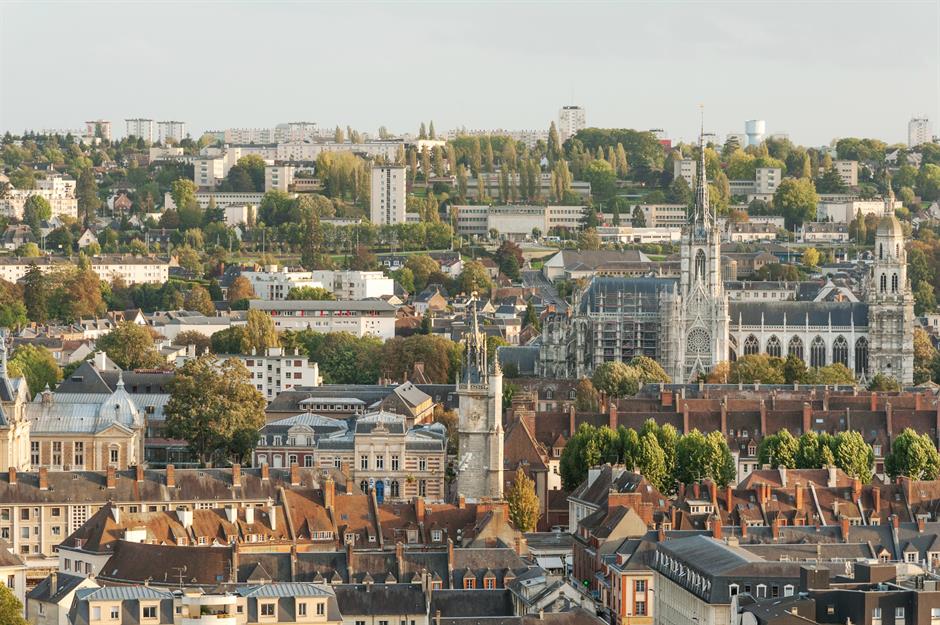
A home with hidden gold, France: $3.8 million
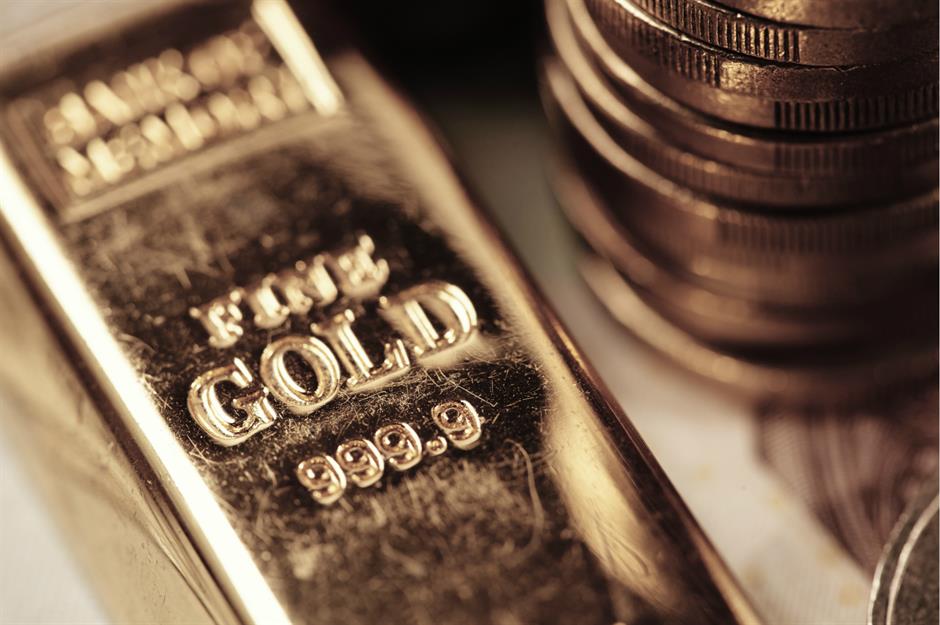
The house was filled with 220.5lb of gold coins, ingots and bars secreted in different places. "It started when he found a tinplate box (with gold inside) screwed under a piece of furniture," according to La Dépêche, the local newspaper. The man's next find was inside a "whisky bottle box with a few gold pieces carefully hidden." The hoard gradually grew and the lucky treasure finder sold it all for $3.8 million, though reports suggest he could have been hit with a hefty inheritance tax.
Gold Rush hoard buried under a tree, USA: $10 million
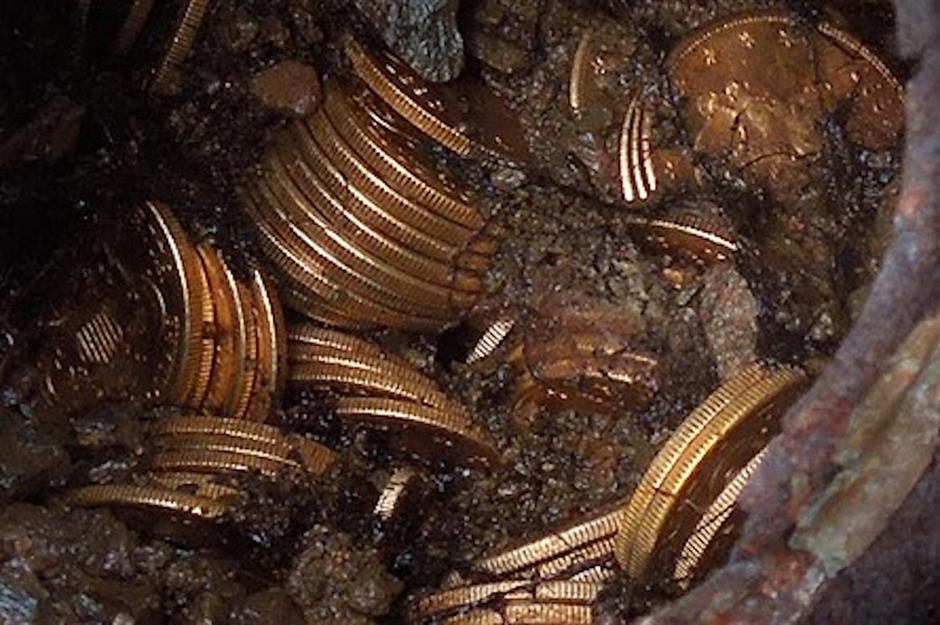
While walking their dog in 2013, a couple from northern California made a record-breaking discovery. Buried on their property were several rusted cans filled with a total of 1,427 gold coins – the largest gold coin hoard ever unearthed in the US. The coins were all minted between 1847 and 1894 and probably hidden away during the 19th-century Gold Rush. Although the exact history remains a mystery, their value was estimated at $10 million.
Sponsored Content
Gold Rush hoard buried under a tree, USA: $10 million
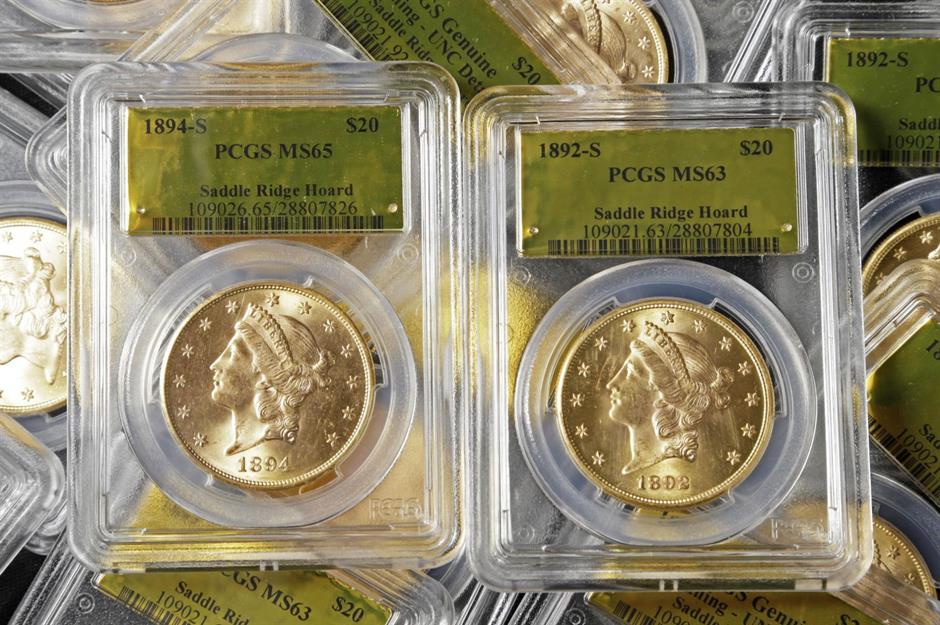
After the discovery, the finders of the so-called Saddle Ridge Hoard chose to remain anonymous as US Treasure Trove Laws mean that the collection could be claimed by descendants of the person who originally buried it. The finders then decided to sell the coins via Amazon.
Now discover America's great treasures still waiting to be found
Comments
Be the first to comment
Do you want to comment on this article? You need to be signed in for this feature